

Marine Macrophytes: Biosorbents 24.1 Marine Macrophytes 599
Part D | 24.1
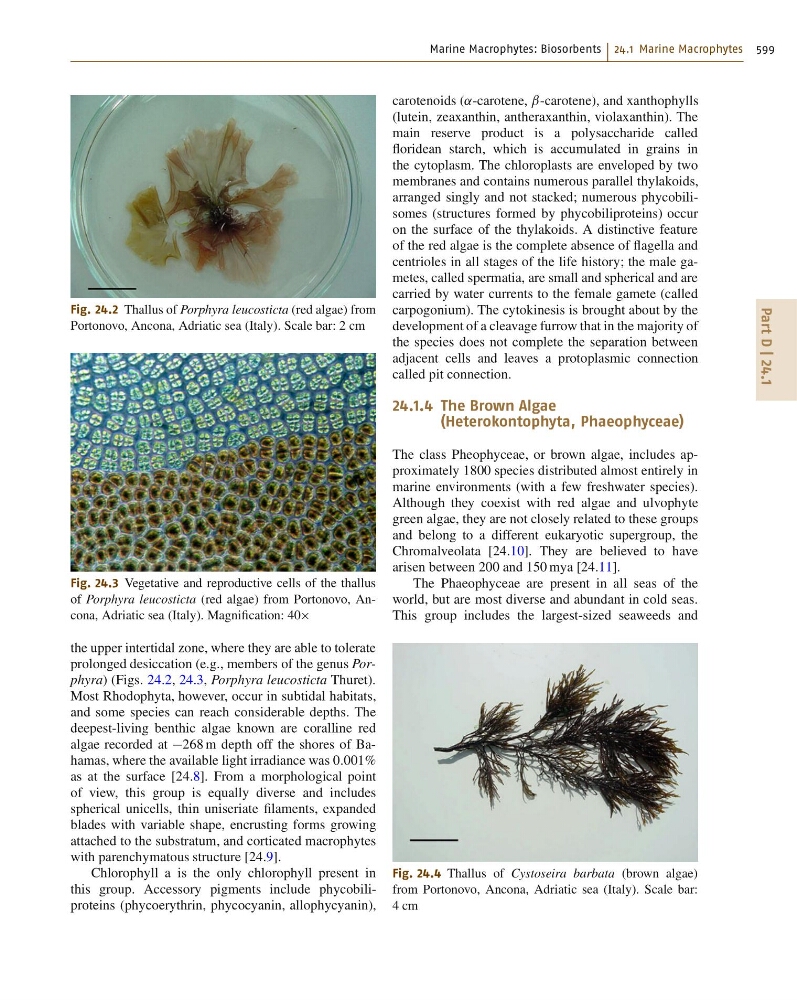
Fig. 24.2 Thallus of Porphyra leucosticta (red algae) from
Portonovo, Ancona, Adriatic sea (Italy). Scale bar: 2 cm
Fig. 24.3 Vegetative and reproductive cells of the thallus
of Porphyra leucosticta (red algae) from Portonovo, Ancona, Adriatic sea (Italy). Magnification: 40
the upper intertidal zone, where they are able to tolerate
prolonged desiccation (e.g., members of the genus Porphyra) (Figs. 24.2, 24.3, Porphyra leucosticta Thuret).
Most Rhodophyta, however, occur in subtidal habitats,
and some species can reach considerable depths. The
deepest-living benthic algae known are coralline red
algae recorded at 268 m depth off the shores of Bahamas, where the available light irradiance was 0:001%
as at the surface [24.8]. From a morphological point
of view, this group is equally diverse and includes
spherical unicells, thin uniseriate filaments, expanded
blades with variable shape, encrusting forms growing
attached to the substratum, and corticated macrophytes
with parenchymatous structure [24.9].
Chlorophyll a is the only chlorophyll present in
this group. Accessory pigments include phycobiliproteins (phycoerythrin, phycocyanin, allophycyanin),
carotenoids (˛-carotene, ˇ-carotene), and xanthophylls
(lutein, zeaxanthin, antheraxanthin, violaxanthin). The
main reserve product is a polysaccharide called
floridean starch, which is accumulated in grains in
the cytoplasm. The chloroplasts are enveloped by two
membranes and contains numerous parallel thylakoids,
arranged singly and not stacked; numerous phycobilisomes (structures formed by phycobiliproteins) occur
on the surface of the thylakoids. A distinctive feature
of the red algae is the complete absence of flagella and
centrioles in all stages of the life history; the male gametes, called spermatia, are small and spherical and are
carried by water currents to the female gamete (called
carpogonium). The cytokinesis is brought about by the
development of a cleavage furrow that in the majority of
the species does not complete the separation between
adjacent cells and leaves a protoplasmic connection
called pit connection.
24.1.4 The Brown Algae
(Heterokontophyta, Phaeophyceae)
The class Pheophyceae, or brown algae, includes approximately 1800 species distributed almost entirely in
marine environments (with a few freshwater species).
Although they coexist with red algae and ulvophyte
green algae, they are not closely related to these groups
and belong to a different eukaryotic supergroup, the
Chromalveolata [24.10]. They are believed to have
arisen between 200 and 150 mya [24.11].
The Phaeophyceae are present in all seas of the
world, but are most diverse and abundant in cold seas.
This group includes the largest-sized seaweeds and
Fig. 24.4 Thallus of Cystoseira barbata (brown algae)
from Portonovo, Ancona, Adriatic sea (Italy). Scale bar:
4 cm