

Part B | 12.6
358 Part B Tools and Methods in Marine Biotechnology
Peristaltic pump
Nutrient
medium
Automatic feed of nutrients
Continuous recovery of marennine by
cross-flow ultrafiltration
Recirculation
Microalgae
culture
V = 6 L
Retentate (cell recycling)
Inlet
pressure
High level
Low level
hυ
loop
Peristaltic pump
Ultrafiltration
unit
Throttling valve
Permeate:
marennine solution
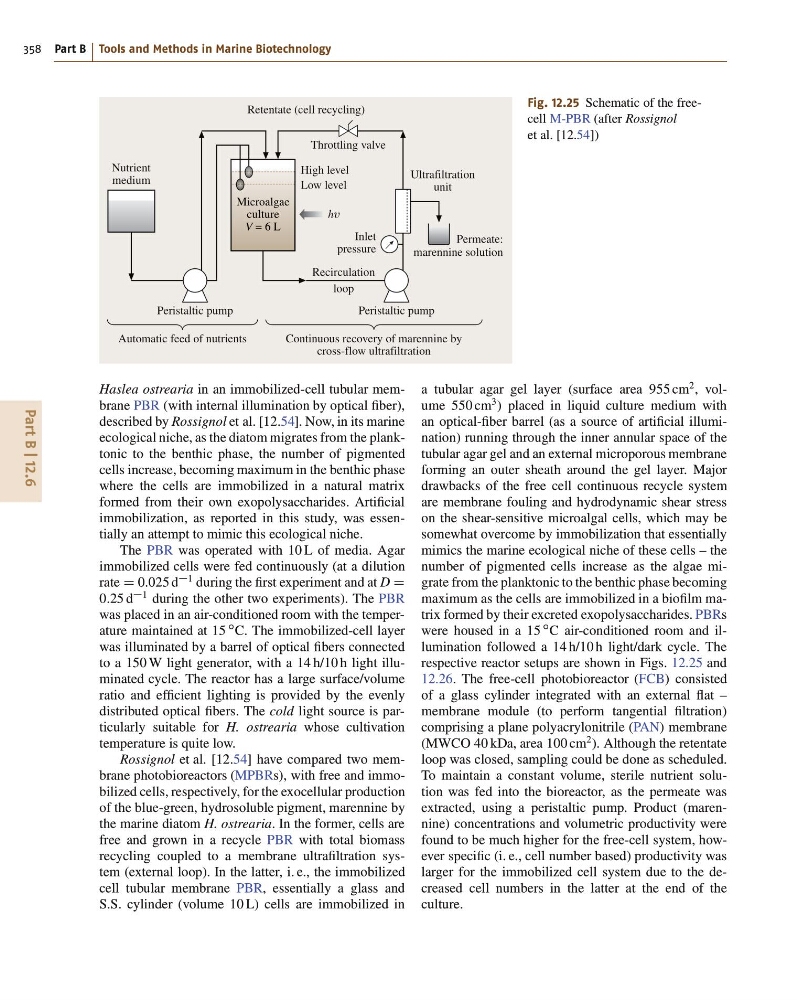
Fig. 12.25 Schematic of the freecell M-PBR (after Rossignol
et al. [12.54])
Haslea ostrearia in an immobilized-cell tubular membrane PBR (with internal illumination by optical fiber),
described by Rossignol et al. [12.54]. Now, in its marine
ecological niche, as the diatom migrates from the planktonic to the benthic phase, the number of pigmented
cells increase, becoming maximum in the benthic phase
where the cells are immobilized in a natural matrix
formed from their own exopolysaccharides. Artificial
immobilization, as reported in this study, was essentially an attempt to mimic this ecological niche.
The PBR was operated with 10 L of media. Agar
immobilized cells were fed continuously (at a dilution
rate D 0:025 d
1 during the first experiment and at D D
0:25 d
1 during the other two experiments). The PBR
was placed in an air-conditioned room with the temperature maintained at 15
ı C. The immobilized-cell layer
was illuminated by a barrel of optical fibers connected
to a 150 W light generator, with a 14 h/10 h light illuminated cycle. The reactor has a large surface/volume
ratio and efficient lighting is provided by the evenly
distributed optical fibers. The cold light source is particularly suitable for H. ostrearia whose cultivation
temperature is quite low.
Rossignol et al. [12.54] have compared two membrane photobioreactors (MPBRs), with free and immobilized cells, respectively, for the exocellular production
of the blue-green, hydrosoluble pigment, marennine by
the marine diatom H. ostrearia. In the former, cells are
free and grown in a recycle PBR with total biomass
recycling coupled to a membrane ultrafiltration system (external loop). In the latter, i. e., the immobilized
cell tubular membrane PBR, essentially a glass and
S.S. cylinder (volume 10 L) cells are immobilized in
a tubular agar gel layer (surface area 955 cm
2 , volume 550 cm
3 ) placed in liquid culture medium with
an optical-fiber barrel (as a source of artificial illumination) running through the inner annular space of the
tubular agar gel and an external microporous membrane
forming an outer sheath around the gel layer. Major
drawbacks of the free cell continuous recycle system
are membrane fouling and hydrodynamic shear stress
on the shear-sensitive microalgal cells, which may be
somewhat overcome by immobilization that essentially
mimics the marine ecological niche of these cells – the
number of pigmented cells increase as the algae migrate from the planktonic to the benthic phase becoming
maximum as the cells are immobilized in a biofilm matrix formed by their excreted exopolysaccharides. PBRs
were housed in a 15
ı C air-conditioned room and illumination followed a 14 h/10 h light/dark cycle. The
respective reactor setups are shown in Figs. 12.25 and
12.26. The free-cell photobioreactor (FCB) consisted
of a glass cylinder integrated with an external flat –
membrane module (to perform tangential filtration)
comprising a plane polyacrylonitrile (PAN) membrane
(MWCO 40 kDa, area 100 cm
2 ). Although the retentate
loop was closed, sampling could be done as scheduled.
To maintain a constant volume, sterile nutrient solution was fed into the bioreactor, as the permeate was
extracted, using a peristaltic pump. Product (marennine) concentrations and volumetric productivity were
found to be much higher for the free-cell system, however specific (i. e., cell number based) productivity was
larger for the immobilized cell system due to the decreased cell numbers in the latter at the end of the
culture.
358 Part B Tools and Methods in Marine Biotechnology
Peristaltic pump
Nutrient
medium
Automatic feed of nutrients
Continuous recovery of marennine by
cross-flow ultrafiltration
Recirculation
Microalgae
culture
V = 6 L
Retentate (cell recycling)
Inlet
pressure
High level
Low level
hυ
loop
Peristaltic pump
Ultrafiltration
unit
Throttling valve
Permeate:
marennine solution
Fig. 12.25 Schematic of the freecell M-PBR (after Rossignol
et al. [12.54])
Haslea ostrearia in an immobilized-cell tubular membrane PBR (with internal illumination by optical fiber),
described by Rossignol et al. [12.54]. Now, in its marine
ecological niche, as the diatom migrates from the planktonic to the benthic phase, the number of pigmented
cells increase, becoming maximum in the benthic phase
where the cells are immobilized in a natural matrix
formed from their own exopolysaccharides. Artificial
immobilization, as reported in this study, was essentially an attempt to mimic this ecological niche.
The PBR was operated with 10 L of media. Agar
immobilized cells were fed continuously (at a dilution
rate D 0:025 d
1 during the first experiment and at D D
0:25 d
1 during the other two experiments). The PBR
was placed in an air-conditioned room with the temperature maintained at 15
ı C. The immobilized-cell layer
was illuminated by a barrel of optical fibers connected
to a 150 W light generator, with a 14 h/10 h light illuminated cycle. The reactor has a large surface/volume
ratio and efficient lighting is provided by the evenly
distributed optical fibers. The cold light source is particularly suitable for H. ostrearia whose cultivation
temperature is quite low.
Rossignol et al. [12.54] have compared two membrane photobioreactors (MPBRs), with free and immobilized cells, respectively, for the exocellular production
of the blue-green, hydrosoluble pigment, marennine by
the marine diatom H. ostrearia. In the former, cells are
free and grown in a recycle PBR with total biomass
recycling coupled to a membrane ultrafiltration system (external loop). In the latter, i. e., the immobilized
cell tubular membrane PBR, essentially a glass and
S.S. cylinder (volume 10 L) cells are immobilized in
a tubular agar gel layer (surface area 955 cm
2 , volume 550 cm
3 ) placed in liquid culture medium with
an optical-fiber barrel (as a source of artificial illumination) running through the inner annular space of the
tubular agar gel and an external microporous membrane
forming an outer sheath around the gel layer. Major
drawbacks of the free cell continuous recycle system
are membrane fouling and hydrodynamic shear stress
on the shear-sensitive microalgal cells, which may be
somewhat overcome by immobilization that essentially
mimics the marine ecological niche of these cells – the
number of pigmented cells increase as the algae migrate from the planktonic to the benthic phase becoming
maximum as the cells are immobilized in a biofilm matrix formed by their excreted exopolysaccharides. PBRs
were housed in a 15
ı C air-conditioned room and illumination followed a 14 h/10 h light/dark cycle. The
respective reactor setups are shown in Figs. 12.25 and
12.26. The free-cell photobioreactor (FCB) consisted
of a glass cylinder integrated with an external flat –
membrane module (to perform tangential filtration)
comprising a plane polyacrylonitrile (PAN) membrane
(MWCO 40 kDa, area 100 cm
2 ). Although the retentate
loop was closed, sampling could be done as scheduled.
To maintain a constant volume, sterile nutrient solution was fed into the bioreactor, as the permeate was
extracted, using a peristaltic pump. Product (marennine) concentrations and volumetric productivity were
found to be much higher for the free-cell system, however specific (i. e., cell number based) productivity was
larger for the immobilized cell system due to the decreased cell numbers in the latter at the end of the
culture.