

Novel Bioreactors for Culturing Marine Organisms 12.5 Immobilized-Cell Bioreactors 357
Part B | 12.5
H = 1.2 m
D R = 9 cm
50 cm
D D = 20 cm
MeOH
Photo of bioball
ORP meter
DO meter
Air
pump
Drain
valve
Drain
valve
Unaerated
column
Water
sampling port
Aerated
column
Conducts
Ø 4.5 cm
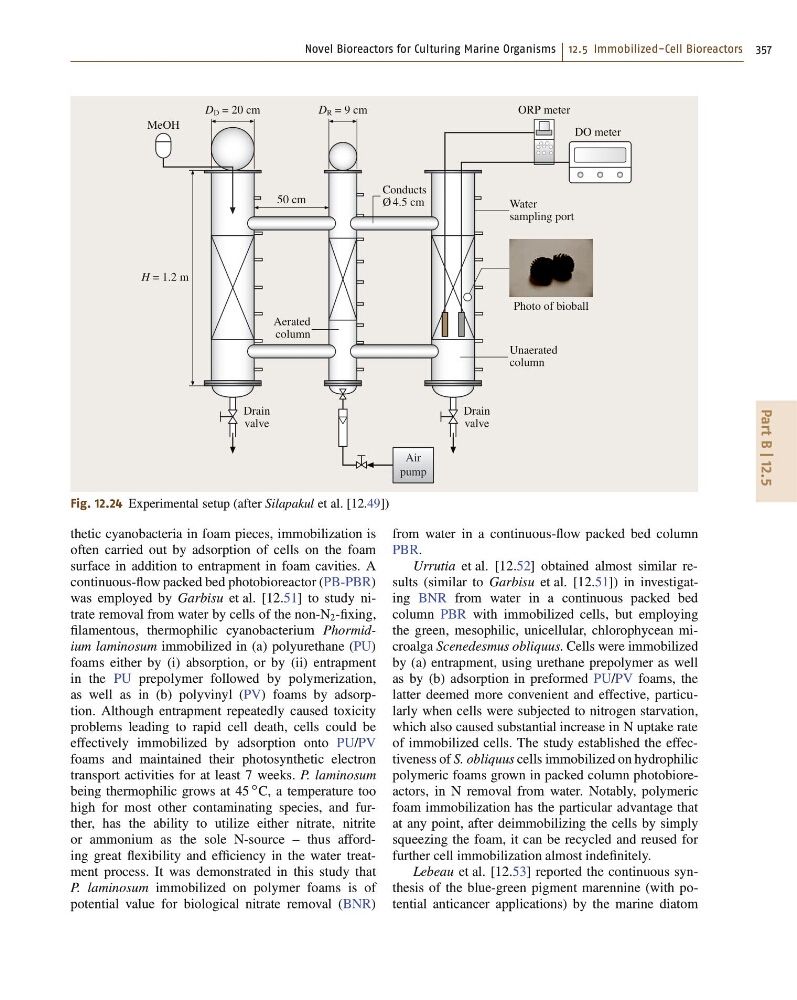
Fig. 12.24 Experimental setup (after Silapakul et al. [12.49])
thetic cyanobacteria in foam pieces, immobilization is
often carried out by adsorption of cells on the foam
surface in addition to entrapment in foam cavities. A
continuous-flow packed bed photobioreactor (PB-PBR)
was employed by Garbisu et al. [12.51] to study nitrate removal from water by cells of the non-N 2 -fixing,
filamentous, thermophilic cyanobacterium Phormidium laminosum immobilized in (a) polyurethane (PU)
foams either by (i) absorption, or by (ii) entrapment
in the PU prepolymer followed by polymerization,
as well as in (b) polyvinyl (PV) foams by adsorption. Although entrapment repeatedly caused toxicity
problems leading to rapid cell death, cells could be
effectively immobilized by adsorption onto PU/PV
foams and maintained their photosynthetic electron
transport activities for at least 7 weeks. P. laminosum
being thermophilic grows at 45
ı C, a temperature too
high for most other contaminating species, and further, has the ability to utilize either nitrate, nitrite
or ammonium as the sole N-source – thus affording great flexibility and efficiency in the water treatment process. It was demonstrated in this study that
P. laminosum immobilized on polymer foams is of
potential value for biological nitrate removal (BNR)
from water in a continuous-flow packed bed column
PBR.
Urrutia et al. [12.52] obtained almost similar results (similar to Garbisu et al. [12.51]) in investigating BNR from water in a continuous packed bed
column PBR with immobilized cells, but employing
the green, mesophilic, unicellular, chlorophycean microalga Scenedesmus obliquus. Cells were immobilized
by (a) entrapment, using urethane prepolymer as well
as by (b) adsorption in preformed PU/PV foams, the
latter deemed more convenient and effective, particularly when cells were subjected to nitrogen starvation,
which also caused substantial increase in N uptake rate
of immobilized cells. The study established the effectiveness of S. obliquus cells immobilized on hydrophilic
polymeric foams grown in packed column photobioreactors, in N removal from water. Notably, polymeric
foam immobilization has the particular advantage that
at any point, after deimmobilizing the cells by simply
squeezing the foam, it can be recycled and reused for
further cell immobilization almost indefinitely.
Lebeau et al. [12.53] reported the continuous synthesis of the blue-green pigment marennine (with potential anticancer applications) by the marine diatom
Part B | 12.5
H = 1.2 m
D R = 9 cm
50 cm
D D = 20 cm
MeOH
Photo of bioball
ORP meter
DO meter
Air
pump
Drain
valve
Drain
valve
Unaerated
column
Water
sampling port
Aerated
column
Conducts
Ø 4.5 cm
Fig. 12.24 Experimental setup (after Silapakul et al. [12.49])
thetic cyanobacteria in foam pieces, immobilization is
often carried out by adsorption of cells on the foam
surface in addition to entrapment in foam cavities. A
continuous-flow packed bed photobioreactor (PB-PBR)
was employed by Garbisu et al. [12.51] to study nitrate removal from water by cells of the non-N 2 -fixing,
filamentous, thermophilic cyanobacterium Phormidium laminosum immobilized in (a) polyurethane (PU)
foams either by (i) absorption, or by (ii) entrapment
in the PU prepolymer followed by polymerization,
as well as in (b) polyvinyl (PV) foams by adsorption. Although entrapment repeatedly caused toxicity
problems leading to rapid cell death, cells could be
effectively immobilized by adsorption onto PU/PV
foams and maintained their photosynthetic electron
transport activities for at least 7 weeks. P. laminosum
being thermophilic grows at 45
ı C, a temperature too
high for most other contaminating species, and further, has the ability to utilize either nitrate, nitrite
or ammonium as the sole N-source – thus affording great flexibility and efficiency in the water treatment process. It was demonstrated in this study that
P. laminosum immobilized on polymer foams is of
potential value for biological nitrate removal (BNR)
from water in a continuous-flow packed bed column
PBR.
Urrutia et al. [12.52] obtained almost similar results (similar to Garbisu et al. [12.51]) in investigating BNR from water in a continuous packed bed
column PBR with immobilized cells, but employing
the green, mesophilic, unicellular, chlorophycean microalga Scenedesmus obliquus. Cells were immobilized
by (a) entrapment, using urethane prepolymer as well
as by (b) adsorption in preformed PU/PV foams, the
latter deemed more convenient and effective, particularly when cells were subjected to nitrogen starvation,
which also caused substantial increase in N uptake rate
of immobilized cells. The study established the effectiveness of S. obliquus cells immobilized on hydrophilic
polymeric foams grown in packed column photobioreactors, in N removal from water. Notably, polymeric
foam immobilization has the particular advantage that
at any point, after deimmobilizing the cells by simply
squeezing the foam, it can be recycled and reused for
further cell immobilization almost indefinitely.
Lebeau et al. [12.53] reported the continuous synthesis of the blue-green pigment marennine (with potential anticancer applications) by the marine diatom