

Corals 7.5 Conclusion 203
Part A | 7.5
Table 7.1 (continued)
Compounds
Coral species
Properties
References
Mussidae
Extracts
Lobophyllia corymbosa
Antiimplantation activity
[7.325]
Pocilloporidae
Extract
Pocillopora demicornis
Hypotensive
[7.288]
Pectiniidae
Polyacetylene
Pectinia lactuca
Antibacterial and antifungul
[7.326]
Oculinidae
Crude extract
Galaxea fascicularis
Anticancer
[7.331]
Mixed hard corals
Crude extracts
M. capitata, Porites lobata and
Pocillopora meandrina, M.
divaricata, Acropora formosa,
A. millepora, A. corymbosa,
Porites lichen, and P. lutea
Antibacterial, spasmolytic, hemolytic,
anti-implantation activities
[7.288, 317]
Mycosporine-like amino acids (MAAs) Various soft and hard corals
Photoprotective (sunscreens)
[7.338]
Table 7.2 Distribution of bioactive compounds among members of soft and hard corals
Soft corals
Hard corals
Family
Genera
Species
Compounds
Family
Genera
Species
Compounds
Alcyoniidae
14
43
75
Acroporidae
2
6
4
Plexauridae
11
23
27
Dendrophylliidae
2
4
3
Nephtheidae
7
21
36
Milleporidae
3
3
3
Zoanthidae
5
8
8
Poritidae
1
1
1
Gorgoniidae
4
8
16
Helioporidae
1
1
1
Xeniidae
4
10
16
Pectiniidae
1
1
1
Ellisellidae
4
5
5
Total
10
16
13
Acanthogorgiidae
3
2
4
Isididae
3
3
7
Tubiporidae
2
4
5
Clavulariidae
2
6
17
Briareidae
1
3
10
Subergorgiidae
1
1
3
Melithaeidae
1
1
1
Anthothelidae
1
1
1
Total
63
139
231
for 32% cytotoxic, 11% anticancer and antitumor, 11% anti-inflammatory, > 13% antibacterial,
antiviral, antifungual, antiprotozoan and antimicrobial,
and 33% other bioactivities including antifouling and
anti-HIV properties. Accordingly, the majority of the
tabulated compounds are promising as potential cancer
therapeutics.
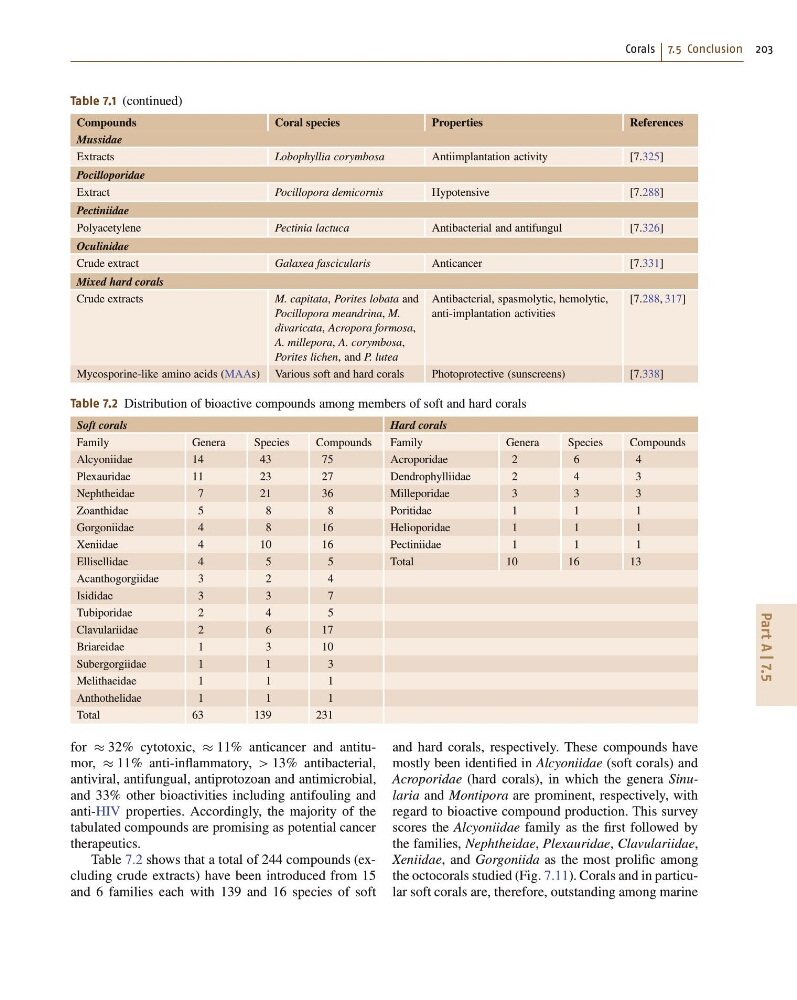
Table 7.2 shows that a total of 244 compounds (excluding crude extracts) have been introduced from 15
and 6 families each with 139 and 16 species of soft
and hard corals, respectively. These compounds have
mostly been identified in Alcyoniidae (soft corals) and
Acroporidae (hard corals), in which the genera Sinularia and Montipora are prominent, respectively, with
regard to bioactive compound production. This survey
scores the Alcyoniidae family as the first followed by
the families, Nephtheidae, Plexauridae, Clavulariidae,
Xeniidae, and Gorgoniida as the most prolific among
the octocorals studied (Fig. 7.11). Corals and in particular soft corals are, therefore, outstanding among marine
Part A | 7.5
Table 7.1 (continued)
Compounds
Coral species
Properties
References
Mussidae
Extracts
Lobophyllia corymbosa
Antiimplantation activity
[7.325]
Pocilloporidae
Extract
Pocillopora demicornis
Hypotensive
[7.288]
Pectiniidae
Polyacetylene
Pectinia lactuca
Antibacterial and antifungul
[7.326]
Oculinidae
Crude extract
Galaxea fascicularis
Anticancer
[7.331]
Mixed hard corals
Crude extracts
M. capitata, Porites lobata and
Pocillopora meandrina, M.
divaricata, Acropora formosa,
A. millepora, A. corymbosa,
Porites lichen, and P. lutea
Antibacterial, spasmolytic, hemolytic,
anti-implantation activities
[7.288, 317]
Mycosporine-like amino acids (MAAs) Various soft and hard corals
Photoprotective (sunscreens)
[7.338]
Table 7.2 Distribution of bioactive compounds among members of soft and hard corals
Soft corals
Hard corals
Family
Genera
Species
Compounds
Family
Genera
Species
Compounds
Alcyoniidae
14
43
75
Acroporidae
2
6
4
Plexauridae
11
23
27
Dendrophylliidae
2
4
3
Nephtheidae
7
21
36
Milleporidae
3
3
3
Zoanthidae
5
8
8
Poritidae
1
1
1
Gorgoniidae
4
8
16
Helioporidae
1
1
1
Xeniidae
4
10
16
Pectiniidae
1
1
1
Ellisellidae
4
5
5
Total
10
16
13
Acanthogorgiidae
3
2
4
Isididae
3
3
7
Tubiporidae
2
4
5
Clavulariidae
2
6
17
Briareidae
1
3
10
Subergorgiidae
1
1
3
Melithaeidae
1
1
1
Anthothelidae
1
1
1
Total
63
139
231
for 32% cytotoxic, 11% anticancer and antitumor, 11% anti-inflammatory, > 13% antibacterial,
antiviral, antifungual, antiprotozoan and antimicrobial,
and 33% other bioactivities including antifouling and
anti-HIV properties. Accordingly, the majority of the
tabulated compounds are promising as potential cancer
therapeutics.
Table 7.2 shows that a total of 244 compounds (excluding crude extracts) have been introduced from 15
and 6 families each with 139 and 16 species of soft
and hard corals, respectively. These compounds have
mostly been identified in Alcyoniidae (soft corals) and
Acroporidae (hard corals), in which the genera Sinularia and Montipora are prominent, respectively, with
regard to bioactive compound production. This survey
scores the Alcyoniidae family as the first followed by
the families, Nephtheidae, Plexauridae, Clavulariidae,
Xeniidae, and Gorgoniida as the most prolific among
the octocorals studied (Fig. 7.11). Corals and in particular soft corals are, therefore, outstanding among marine