

Corals 7.2 Potential Pharmaceuticals from Soft Corals 183
Part A | 7.2
N
N
O
O
O
O
O
O
H
H
H
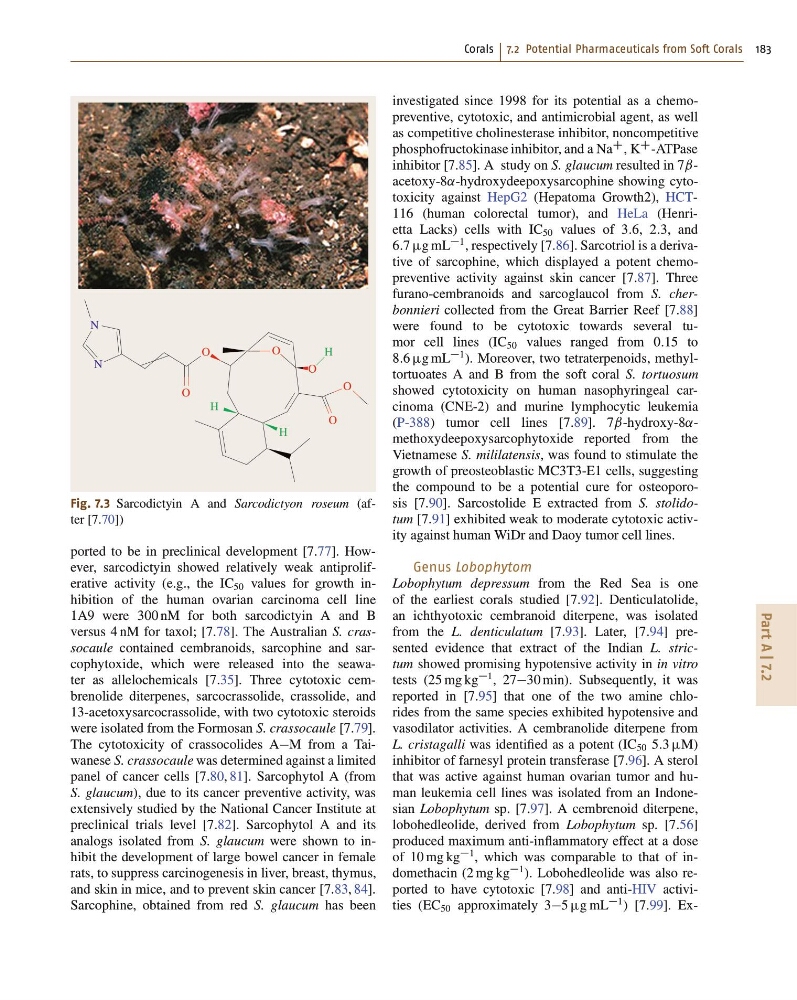
Fig. 7.3 Sarcodictyin A and Sarcodictyon roseum (after [7.70])
ported to be in preclinical development [7.77]. However, sarcodictyin showed relatively weak antiproliferative activity (e.g., the IC 50 values for growth inhibition of the human ovarian carcinoma cell line
1A9 were 300 nM for both sarcodictyin A and B
versus 4 nM for taxol; [7.78]. The Australian S. crassocaule contained cembranoids, sarcophine and sarcophytoxide, which were released into the seawater as allelochemicals [7.35]. Three cytotoxic cembrenolide diterpenes, sarcocrassolide, crassolide, and
13-acetoxysarcocrassolide, with two cytotoxic steroids
were isolated from the Formosan S. crassocaule [7.79].
The cytotoxicity of crassocolides AM from a Taiwanese S. crassocaule was determined against a limited
panel of cancer cells [7.80, 81]. Sarcophytol A (from
S. glaucum), due to its cancer preventive activity, was
extensively studied by the National Cancer Institute at
preclinical trials level [7.82]. Sarcophytol A and its
analogs isolated from S. glaucum were shown to inhibit the development of large bowel cancer in female
rats, to suppress carcinogenesis in liver, breast, thymus,
and skin in mice, and to prevent skin cancer [7.83, 84].
Sarcophine, obtained from red S. glaucum has been
investigated since 1998 for its potential as a chemopreventive, cytotoxic, and antimicrobial agent, as well
as competitive cholinesterase inhibitor, noncompetitive
phosphofructokinase inhibitor, and a Na
C , K
C -ATPase
inhibitor [7.85]. A study on S. glaucum resulted in 7ˇacetoxy-8˛-hydroxydeepoxysarcophine showing cytotoxicity against HepG2 (Hepatoma Growth2), HCT116 (human colorectal tumor), and HeLa (Henrietta Lacks) cells with IC 50 values of 3:6, 2:3, and
6:7 g mL
1 , respectively [7.86]. Sarcotriol is a derivative of sarcophine, which displayed a potent chemopreventive activity against skin cancer [7.87]. Three
furano-cembranoids and sarcoglaucol from S. cherbonnieri collected from the Great Barrier Reef [7.88]
were found to be cytotoxic towards several tumor cell lines (IC 50 values ranged from 0:15 to
8:6 g mL
1 ). Moreover, two tetraterpenoids, methyltortuoates A and B from the soft coral S. tortuosum
showed cytotoxicity on human nasophyringeal carcinoma (CNE-2) and murine lymphocytic leukemia
(P-388) tumor cell lines [7.89]. 7ˇ-hydroxy-8˛methoxydeepoxysarcophytoxide reported from the
Vietnamese S. mililatensis, was found to stimulate the
growth of preosteoblastic MC3T3-E1 cells, suggesting
the compound to be a potential cure for osteoporosis [7.90]. Sarcostolide E extracted from S. stolidotum [7.91] exhibited weak to moderate cytotoxic activity against human WiDr and Daoy tumor cell lines.
Genus Lobophytom
Lobophytum depressum from the Red Sea is one
of the earliest corals studied [7.92]. Denticulatolide,
an ichthyotoxic cembranoid diterpene, was isolated
from the L. denticulatum [7.93]. Later, [7.94] presented evidence that extract of the Indian L. strictum showed promising hypotensive activity in in vitro
tests (25 mg kg
1 , 2730 min). Subsequently, it was
reported in [7.95] that one of the two amine chlorides from the same species exhibited hypotensive and
vasodilator activities. A cembranolide diterpene from
L. cristagalli was identified as a potent (IC 50 5:3 M)
inhibitor of farnesyl protein transferase [7.96]. A sterol
that was active against human ovarian tumor and human leukemia cell lines was isolated from an Indonesian Lobophytum sp. [7.97]. A cembrenoid diterpene,
lobohedleolide, derived from Lobophytum sp. [7.56]
produced maximum anti-inflammatory effect at a dose
of 10 mg kg
1 , which was comparable to that of indomethacin (2 mg kg
1 ). Lobohedleolide was also reported to have cytotoxic [7.98] and anti-HIV activities (EC 50 approximately 35 g mL
1 ) [7.99]. Ex-
Part A | 7.2
N
N
O
O
O
O
O
O
H
H
H
Fig. 7.3 Sarcodictyin A and Sarcodictyon roseum (after [7.70])
ported to be in preclinical development [7.77]. However, sarcodictyin showed relatively weak antiproliferative activity (e.g., the IC 50 values for growth inhibition of the human ovarian carcinoma cell line
1A9 were 300 nM for both sarcodictyin A and B
versus 4 nM for taxol; [7.78]. The Australian S. crassocaule contained cembranoids, sarcophine and sarcophytoxide, which were released into the seawater as allelochemicals [7.35]. Three cytotoxic cembrenolide diterpenes, sarcocrassolide, crassolide, and
13-acetoxysarcocrassolide, with two cytotoxic steroids
were isolated from the Formosan S. crassocaule [7.79].
The cytotoxicity of crassocolides AM from a Taiwanese S. crassocaule was determined against a limited
panel of cancer cells [7.80, 81]. Sarcophytol A (from
S. glaucum), due to its cancer preventive activity, was
extensively studied by the National Cancer Institute at
preclinical trials level [7.82]. Sarcophytol A and its
analogs isolated from S. glaucum were shown to inhibit the development of large bowel cancer in female
rats, to suppress carcinogenesis in liver, breast, thymus,
and skin in mice, and to prevent skin cancer [7.83, 84].
Sarcophine, obtained from red S. glaucum has been
investigated since 1998 for its potential as a chemopreventive, cytotoxic, and antimicrobial agent, as well
as competitive cholinesterase inhibitor, noncompetitive
phosphofructokinase inhibitor, and a Na
C , K
C -ATPase
inhibitor [7.85]. A study on S. glaucum resulted in 7ˇacetoxy-8˛-hydroxydeepoxysarcophine showing cytotoxicity against HepG2 (Hepatoma Growth2), HCT116 (human colorectal tumor), and HeLa (Henrietta Lacks) cells with IC 50 values of 3:6, 2:3, and
6:7 g mL
1 , respectively [7.86]. Sarcotriol is a derivative of sarcophine, which displayed a potent chemopreventive activity against skin cancer [7.87]. Three
furano-cembranoids and sarcoglaucol from S. cherbonnieri collected from the Great Barrier Reef [7.88]
were found to be cytotoxic towards several tumor cell lines (IC 50 values ranged from 0:15 to
8:6 g mL
1 ). Moreover, two tetraterpenoids, methyltortuoates A and B from the soft coral S. tortuosum
showed cytotoxicity on human nasophyringeal carcinoma (CNE-2) and murine lymphocytic leukemia
(P-388) tumor cell lines [7.89]. 7ˇ-hydroxy-8˛methoxydeepoxysarcophytoxide reported from the
Vietnamese S. mililatensis, was found to stimulate the
growth of preosteoblastic MC3T3-E1 cells, suggesting
the compound to be a potential cure for osteoporosis [7.90]. Sarcostolide E extracted from S. stolidotum [7.91] exhibited weak to moderate cytotoxic activity against human WiDr and Daoy tumor cell lines.
Genus Lobophytom
Lobophytum depressum from the Red Sea is one
of the earliest corals studied [7.92]. Denticulatolide,
an ichthyotoxic cembranoid diterpene, was isolated
from the L. denticulatum [7.93]. Later, [7.94] presented evidence that extract of the Indian L. strictum showed promising hypotensive activity in in vitro
tests (25 mg kg
1 , 2730 min). Subsequently, it was
reported in [7.95] that one of the two amine chlorides from the same species exhibited hypotensive and
vasodilator activities. A cembranolide diterpene from
L. cristagalli was identified as a potent (IC 50 5:3 M)
inhibitor of farnesyl protein transferase [7.96]. A sterol
that was active against human ovarian tumor and human leukemia cell lines was isolated from an Indonesian Lobophytum sp. [7.97]. A cembrenoid diterpene,
lobohedleolide, derived from Lobophytum sp. [7.56]
produced maximum anti-inflammatory effect at a dose
of 10 mg kg
1 , which was comparable to that of indomethacin (2 mg kg
1 ). Lobohedleolide was also reported to have cytotoxic [7.98] and anti-HIV activities (EC 50 approximately 35 g mL
1 ) [7.99]. Ex-