

Part A | 7.2
182 Part A Marine Flora and Fauna
= Ac
2 R
= CHO
3 R
= OH, R 2 = CH 3
4 R 1
R 1
R 2
OR
= CH 3 , R 2 = OH
5 R 1
O
OH
Sinularia crassa
O
O
HO
O
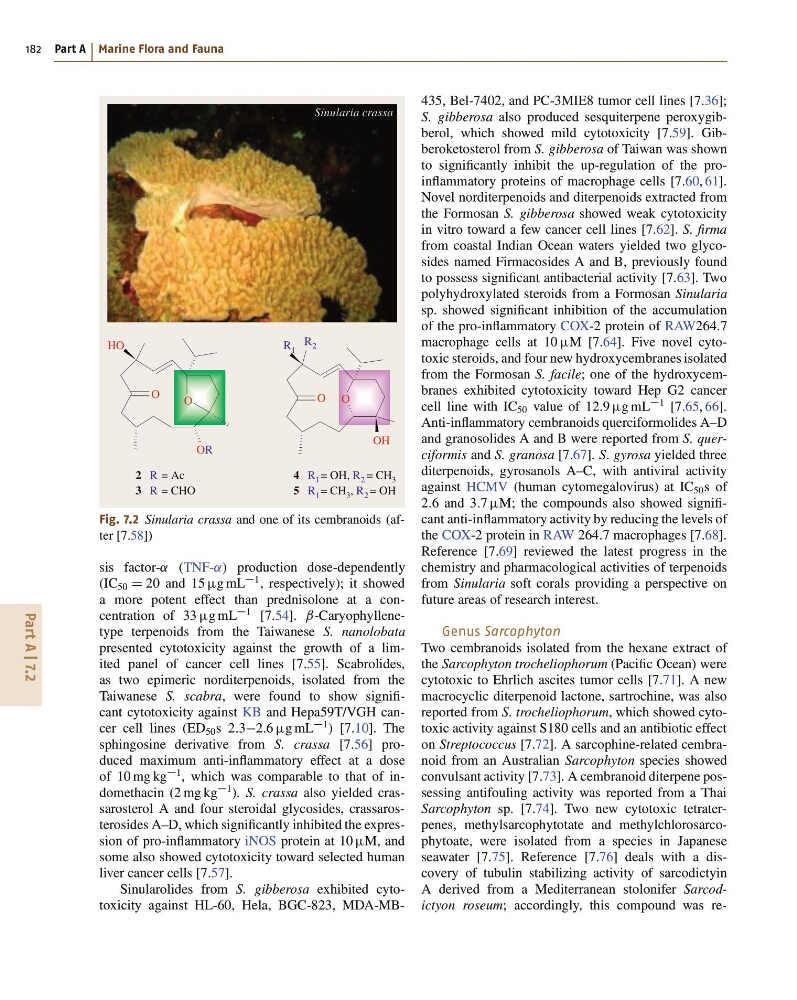
Fig. 7.2 Sinularia crassa and one of its cembranoids (after [7.58])
sis factor-˛ (TNF-˛) production dose-dependently
(IC 50 D 20 and 15 g mL
1 , respectively); it showed
a more potent effect than prednisolone at a concentration of 33 g mL
1 [7.54]. ˇ-Caryophyllenetype terpenoids from the Taiwanese S. nanolobata
presented cytotoxicity against the growth of a limited panel of cancer cell lines [7.55]. Scabrolides,
as two epimeric norditerpenoids, isolated from the
Taiwanese S. scabra, were found to show significant cytotoxicity against KB and Hepa59T/VGH cancer cell lines (ED 50 s 2:32:6 g mL
1 ) [7.10]. The
sphingosine derivative from S. crassa [7.56] produced maximum anti-inflammatory effect at a dose
of 10 mg kg
1 , which was comparable to that of indomethacin (2 mg kg
1 ). S. crassa also yielded crassarosterol A and four steroidal glycosides, crassarosterosides A–D, which significantly inhibited the expression of pro-inflammatory iNOS protein at 10 M, and
some also showed cytotoxicity toward selected human
liver cancer cells [7.57].
Sinularolides from S. gibberosa exhibited cytotoxicity against HL-60, Hela, BGC-823, MDA-MB435, Bel-7402, and PC-3MIE8 tumor cell lines [7.36];
S. gibberosa also produced sesquiterpene peroxygibberol, which showed mild cytotoxicity [7.59]. Gibberoketosterol from S. gibberosa of Taiwan was shown
to significantly inhibit the up-regulation of the proinflammatory proteins of macrophage cells [7.60, 61].
Novel norditerpenoids and diterpenoids extracted from
the Formosan S. gibberosa showed weak cytotoxicity
in vitro toward a few cancer cell lines [7.62]. S. firma
from coastal Indian Ocean waters yielded two glycosides named Firmacosides A and B, previously found
to possess significant antibacterial activity [7.63]. Two
polyhydroxylated steroids from a Formosan Sinularia
sp. showed significant inhibition of the accumulation
of the pro-inflammatory COX-2 protein of RAW264.7
macrophage cells at 10 M [7.64]. Five novel cytotoxic steroids, and four new hydroxycembranes isolated
from the Formosan S. facile; one of the hydroxycembranes exhibited cytotoxicity toward Hep G2 cancer
cell line with IC 50 value of 12:9 g mL
1 [7.65, 66].
Anti-inflammatory cembranoids querciformolides A–D
and granosolides A and B were reported from S. querciformis and S. granosa [7.67]. S. gyrosa yielded three
diterpenoids, gyrosanols A–C, with antiviral activity
against HCMV (human cytomegalovirus) at IC 50 s of
2:6 and 3:7 M; the compounds also showed significant anti-inflammatory activity by reducing the levels of
the COX-2 protein in RAW 264:7 macrophages [7.68].
Reference [7.69] reviewed the latest progress in the
chemistry and pharmacological activities of terpenoids
from Sinularia soft corals providing a perspective on
future areas of research interest.
Genus Sarcophyton
Two cembranoids isolated from the hexane extract of
the Sarcophyton trocheliophorum (Pacific Ocean) were
cytotoxic to Ehrlich ascites tumor cells [7.71]. A new
macrocyclic diterpenoid lactone, sartrochine, was also
reported from S. trocheliophorum, which showed cytotoxic activity against S180 cells and an antibiotic effect
on Streptococcus [7.72]. A sarcophine-related cembranoid from an Australian Sarcophyton species showed
convulsant activity [7.73]. A cembranoid diterpene possessing antifouling activity was reported from a Thai
Sarcophyton sp. [7.74]. Two new cytotoxic tetraterpenes, methylsarcophytotate and methylchlorosarcophytoate, were isolated from a species in Japanese
seawater [7.75]. Reference [7.76] deals with a discovery of tubulin stabilizing activity of sarcodictyin
A derived from a Mediterranean stolonifer Sarcodictyon roseum; accordingly, this compound was re-
182 Part A Marine Flora and Fauna
= Ac
2 R
= CHO
3 R
= OH, R 2 = CH 3
4 R 1
R 1
R 2
OR
= CH 3 , R 2 = OH
5 R 1
O
OH
Sinularia crassa
O
O
HO
O
Fig. 7.2 Sinularia crassa and one of its cembranoids (after [7.58])
sis factor-˛ (TNF-˛) production dose-dependently
(IC 50 D 20 and 15 g mL
1 , respectively); it showed
a more potent effect than prednisolone at a concentration of 33 g mL
1 [7.54]. ˇ-Caryophyllenetype terpenoids from the Taiwanese S. nanolobata
presented cytotoxicity against the growth of a limited panel of cancer cell lines [7.55]. Scabrolides,
as two epimeric norditerpenoids, isolated from the
Taiwanese S. scabra, were found to show significant cytotoxicity against KB and Hepa59T/VGH cancer cell lines (ED 50 s 2:32:6 g mL
1 ) [7.10]. The
sphingosine derivative from S. crassa [7.56] produced maximum anti-inflammatory effect at a dose
of 10 mg kg
1 , which was comparable to that of indomethacin (2 mg kg
1 ). S. crassa also yielded crassarosterol A and four steroidal glycosides, crassarosterosides A–D, which significantly inhibited the expression of pro-inflammatory iNOS protein at 10 M, and
some also showed cytotoxicity toward selected human
liver cancer cells [7.57].
Sinularolides from S. gibberosa exhibited cytotoxicity against HL-60, Hela, BGC-823, MDA-MB435, Bel-7402, and PC-3MIE8 tumor cell lines [7.36];
S. gibberosa also produced sesquiterpene peroxygibberol, which showed mild cytotoxicity [7.59]. Gibberoketosterol from S. gibberosa of Taiwan was shown
to significantly inhibit the up-regulation of the proinflammatory proteins of macrophage cells [7.60, 61].
Novel norditerpenoids and diterpenoids extracted from
the Formosan S. gibberosa showed weak cytotoxicity
in vitro toward a few cancer cell lines [7.62]. S. firma
from coastal Indian Ocean waters yielded two glycosides named Firmacosides A and B, previously found
to possess significant antibacterial activity [7.63]. Two
polyhydroxylated steroids from a Formosan Sinularia
sp. showed significant inhibition of the accumulation
of the pro-inflammatory COX-2 protein of RAW264.7
macrophage cells at 10 M [7.64]. Five novel cytotoxic steroids, and four new hydroxycembranes isolated
from the Formosan S. facile; one of the hydroxycembranes exhibited cytotoxicity toward Hep G2 cancer
cell line with IC 50 value of 12:9 g mL
1 [7.65, 66].
Anti-inflammatory cembranoids querciformolides A–D
and granosolides A and B were reported from S. querciformis and S. granosa [7.67]. S. gyrosa yielded three
diterpenoids, gyrosanols A–C, with antiviral activity
against HCMV (human cytomegalovirus) at IC 50 s of
2:6 and 3:7 M; the compounds also showed significant anti-inflammatory activity by reducing the levels of
the COX-2 protein in RAW 264:7 macrophages [7.68].
Reference [7.69] reviewed the latest progress in the
chemistry and pharmacological activities of terpenoids
from Sinularia soft corals providing a perspective on
future areas of research interest.
Genus Sarcophyton
Two cembranoids isolated from the hexane extract of
the Sarcophyton trocheliophorum (Pacific Ocean) were
cytotoxic to Ehrlich ascites tumor cells [7.71]. A new
macrocyclic diterpenoid lactone, sartrochine, was also
reported from S. trocheliophorum, which showed cytotoxic activity against S180 cells and an antibiotic effect
on Streptococcus [7.72]. A sarcophine-related cembranoid from an Australian Sarcophyton species showed
convulsant activity [7.73]. A cembranoid diterpene possessing antifouling activity was reported from a Thai
Sarcophyton sp. [7.74]. Two new cytotoxic tetraterpenes, methylsarcophytotate and methylchlorosarcophytoate, were isolated from a species in Japanese
seawater [7.75]. Reference [7.76] deals with a discovery of tubulin stabilizing activity of sarcodictyin
A derived from a Mediterranean stolonifer Sarcodictyon roseum; accordingly, this compound was re-