

Seaweed Flora of the European North Atlantic and Mediterranean 6.3 Seaweeds Biodiversity and Potential 133
Part A | 6.3
Uses and Compounds. Extracts have antifungal [6.62], cytotoxic, and antitumor [6.197] activity.
S. muticum (Yendo) Fensholt
Common Names. Japanese seaweed, Japanese brown
alga, Japweed, Wire weed, Strangle weed.
Description. S. muticum is a large brown seaweed,
varying in color from dark brown to pale, yellowish brown depending on the season and the growing
conditions. S. muticum has regularly alternating lateral shoots or branches, on a central perennial stem
(Fig. 6.54). It attaches to the substrate with a diskshaped holdfast. It has numerous small 23 mm round
or pear-shaped air-bladders which sit on small stems
and cause the alga to stand upright in the water or
float if parts of the alga are detached from the basal
stem. S. muticum has a frond which may be 75120 cm
long in its native range, but normally reaches a length
of 1:52 m in Swedish waters, 67 m in French waters, and up to 8:5 m in Norwegian waters. Lateral
branches detach in the summer or autumn, leaving
a short perennial basal stem to overwinter [6.872]. During the summer, cigar-shaped reproductive receptacles
develop in the areas where the annual shoot or branch
attaches to the stem, but may also sit on top of the
branch [6.1, 873].
Habitat. In the mid-littoral and to below the tidal
mark (35 m).
Distribution. Highly invasive: originally from Japan,
it now colonizes large parts of the NE Atlantic (Norway
to Portugal, North Sea), the W Mediterranean, and the
N Pacific: NW Pacific (Japan), NE Pacific (Alaska to
Mexico).
Uses and Compounds. Source of Laminaran [6.873],
and extracts have antitumor and antibacterial [6.113], antioxidant [6.874], antialgal [6.257],
antifungal [6.863], antibiotic [6.875], and antifouling [6.876–880] activity.
Sargassum natans (Linnaeus) Gaillon
Description. S. natans, unlike the many benthic Sargassum species (i. e., those that live attached to the
sea bottom), is a pelagic (free-floating) brown seaweed
that occurs mainly far out in the North Central Atlantic Ocean, but washes ashore regularly. It is often
associated with the Sargasso Sea, a very large region
situated offshore from the southeastern United States,
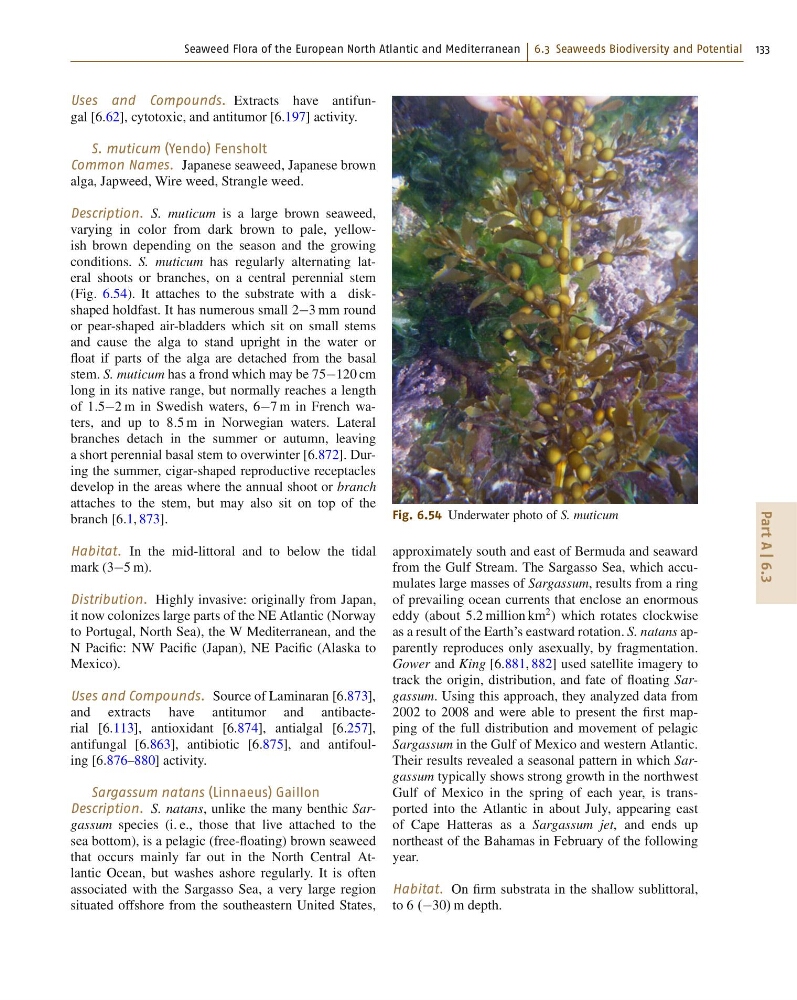
Fig. 6.54 Underwater photo of S. muticum
approximately south and east of Bermuda and seaward
from the Gulf Stream. The Sargasso Sea, which accumulates large masses of Sargassum, results from a ring
of prevailing ocean currents that enclose an enormous
eddy (about 5:2 million km
2 ) which rotates clockwise
as a result of the Earth’s eastward rotation. S. natans apparently reproduces only asexually, by fragmentation.
Gower and King [6.881, 882] used satellite imagery to
track the origin, distribution, and fate of floating Sargassum. Using this approach, they analyzed data from
2002 to 2008 and were able to present the first mapping of the full distribution and movement of pelagic
Sargassum in the Gulf of Mexico and western Atlantic.
Their results revealed a seasonal pattern in which Sargassum typically shows strong growth in the northwest
Gulf of Mexico in the spring of each year, is transported into the Atlantic in about July, appearing east
of Cape Hatteras as a Sargassum jet, and ends up
northeast of the Bahamas in February of the following
year.
Habitat. On firm substrata in the shallow sublittoral,
to 6 .30/ m depth.
Part A | 6.3
Uses and Compounds. Extracts have antifungal [6.62], cytotoxic, and antitumor [6.197] activity.
S. muticum (Yendo) Fensholt
Common Names. Japanese seaweed, Japanese brown
alga, Japweed, Wire weed, Strangle weed.
Description. S. muticum is a large brown seaweed,
varying in color from dark brown to pale, yellowish brown depending on the season and the growing
conditions. S. muticum has regularly alternating lateral shoots or branches, on a central perennial stem
(Fig. 6.54). It attaches to the substrate with a diskshaped holdfast. It has numerous small 23 mm round
or pear-shaped air-bladders which sit on small stems
and cause the alga to stand upright in the water or
float if parts of the alga are detached from the basal
stem. S. muticum has a frond which may be 75120 cm
long in its native range, but normally reaches a length
of 1:52 m in Swedish waters, 67 m in French waters, and up to 8:5 m in Norwegian waters. Lateral
branches detach in the summer or autumn, leaving
a short perennial basal stem to overwinter [6.872]. During the summer, cigar-shaped reproductive receptacles
develop in the areas where the annual shoot or branch
attaches to the stem, but may also sit on top of the
branch [6.1, 873].
Habitat. In the mid-littoral and to below the tidal
mark (35 m).
Distribution. Highly invasive: originally from Japan,
it now colonizes large parts of the NE Atlantic (Norway
to Portugal, North Sea), the W Mediterranean, and the
N Pacific: NW Pacific (Japan), NE Pacific (Alaska to
Mexico).
Uses and Compounds. Source of Laminaran [6.873],
and extracts have antitumor and antibacterial [6.113], antioxidant [6.874], antialgal [6.257],
antifungal [6.863], antibiotic [6.875], and antifouling [6.876–880] activity.
Sargassum natans (Linnaeus) Gaillon
Description. S. natans, unlike the many benthic Sargassum species (i. e., those that live attached to the
sea bottom), is a pelagic (free-floating) brown seaweed
that occurs mainly far out in the North Central Atlantic Ocean, but washes ashore regularly. It is often
associated with the Sargasso Sea, a very large region
situated offshore from the southeastern United States,
Fig. 6.54 Underwater photo of S. muticum
approximately south and east of Bermuda and seaward
from the Gulf Stream. The Sargasso Sea, which accumulates large masses of Sargassum, results from a ring
of prevailing ocean currents that enclose an enormous
eddy (about 5:2 million km
2 ) which rotates clockwise
as a result of the Earth’s eastward rotation. S. natans apparently reproduces only asexually, by fragmentation.
Gower and King [6.881, 882] used satellite imagery to
track the origin, distribution, and fate of floating Sargassum. Using this approach, they analyzed data from
2002 to 2008 and were able to present the first mapping of the full distribution and movement of pelagic
Sargassum in the Gulf of Mexico and western Atlantic.
Their results revealed a seasonal pattern in which Sargassum typically shows strong growth in the northwest
Gulf of Mexico in the spring of each year, is transported into the Atlantic in about July, appearing east
of Cape Hatteras as a Sargassum jet, and ends up
northeast of the Bahamas in February of the following
year.
Habitat. On firm substrata in the shallow sublittoral,
to 6 .30/ m depth.