

Part A | 6.3
132 Part A Marine Flora and Fauna
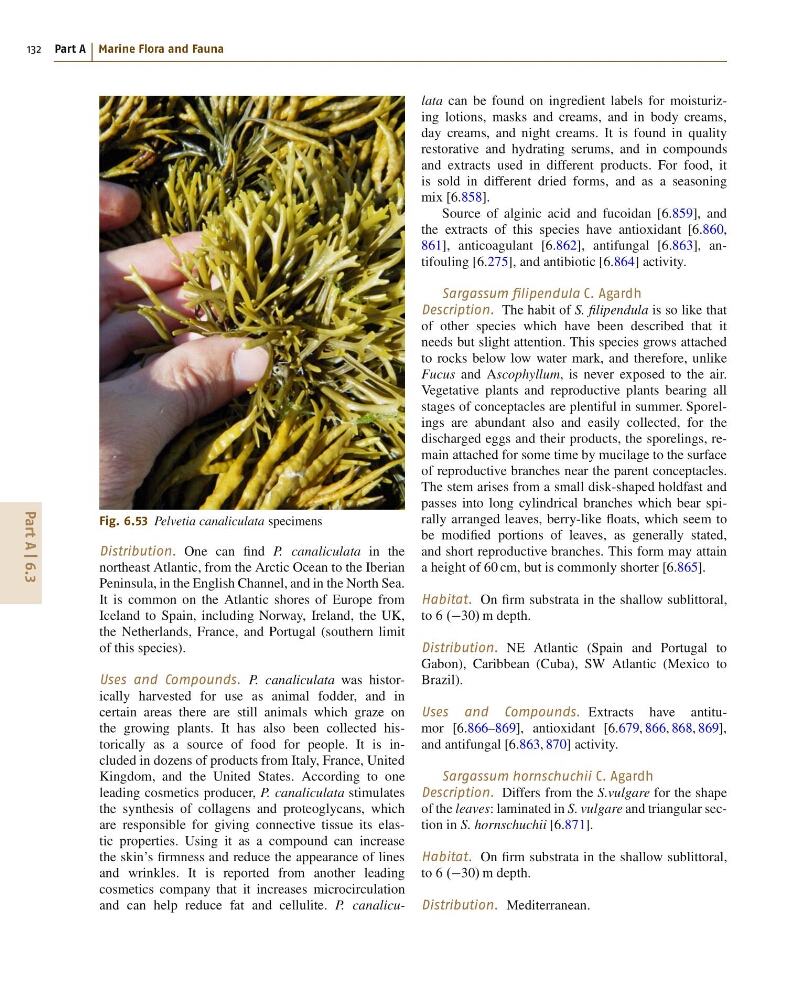
Fig. 6.53 Pelvetia canaliculata specimens
Distribution. One can find P. canaliculata in the
northeast Atlantic, from the Arctic Ocean to the Iberian
Peninsula, in the English Channel, and in the North Sea.
It is common on the Atlantic shores of Europe from
Iceland to Spain, including Norway, Ireland, the UK,
the Netherlands, France, and Portugal (southern limit
of this species).
Uses and Compounds. P. canaliculata was historically harvested for use as animal fodder, and in
certain areas there are still animals which graze on
the growing plants. It has also been collected historically as a source of food for people. It is included in dozens of products from Italy, France, United
Kingdom, and the United States. According to one
leading cosmetics producer, P. canaliculata stimulates
the synthesis of collagens and proteoglycans, which
are responsible for giving connective tissue its elastic properties. Using it as a compound can increase
the skin’s firmness and reduce the appearance of lines
and wrinkles. It is reported from another leading
cosmetics company that it increases microcirculation
and can help reduce fat and cellulite. P. canaliculata can be found on ingredient labels for moisturizing lotions, masks and creams, and in body creams,
day creams, and night creams. It is found in quality
restorative and hydrating serums, and in compounds
and extracts used in different products. For food, it
is sold in different dried forms, and as a seasoning
mix [6.858].
Source of alginic acid and fucoidan [6.859], and
the extracts of this species have antioxidant [6.860,
861], anticoagulant [6.862], antifungal [6.863], antifouling [6.275], and antibiotic [6.864] activity.
Sargassum filipendula C. Agardh
Description. The habit of S. filipendula is so like that
of other species which have been described that it
needs but slight attention. This species grows attached
to rocks below low water mark, and therefore, unlike
Fucus and Ascophyllum, is never exposed to the air.
Vegetative plants and reproductive plants bearing all
stages of conceptacles are plentiful in summer. Sporelings are abundant also and easily collected, for the
discharged eggs and their products, the sporelings, remain attached for some time by mucilage to the surface
of reproductive branches near the parent conceptacles.
The stem arises from a small disk-shaped holdfast and
passes into long cylindrical branches which bear spirally arranged leaves, berry-like floats, which seem to
be modified portions of leaves, as generally stated,
and short reproductive branches. This form may attain
a height of 60 cm, but is commonly shorter [6.865].
Habitat. On firm substrata in the shallow sublittoral,
to 6 .30/ m depth.
Distribution. NE Atlantic (Spain and Portugal to
Gabon), Caribbean (Cuba), SW Atlantic (Mexico to
Brazil).
Uses and Compounds. Extracts have antitumor [6.866–869], antioxidant [6.679, 866, 868, 869],
and antifungal [6.863, 870] activity.
Sargassum hornschuchii C. Agardh
Description. Differs from the S.vulgare for the shape
of the leaves: laminated in S. vulgare and triangular section in S. hornschuchii [6.871].
Habitat. On firm substrata in the shallow sublittoral,
to 6 .30/ m depth.
Distribution. Mediterranean.
132 Part A Marine Flora and Fauna
Fig. 6.53 Pelvetia canaliculata specimens
Distribution. One can find P. canaliculata in the
northeast Atlantic, from the Arctic Ocean to the Iberian
Peninsula, in the English Channel, and in the North Sea.
It is common on the Atlantic shores of Europe from
Iceland to Spain, including Norway, Ireland, the UK,
the Netherlands, France, and Portugal (southern limit
of this species).
Uses and Compounds. P. canaliculata was historically harvested for use as animal fodder, and in
certain areas there are still animals which graze on
the growing plants. It has also been collected historically as a source of food for people. It is included in dozens of products from Italy, France, United
Kingdom, and the United States. According to one
leading cosmetics producer, P. canaliculata stimulates
the synthesis of collagens and proteoglycans, which
are responsible for giving connective tissue its elastic properties. Using it as a compound can increase
the skin’s firmness and reduce the appearance of lines
and wrinkles. It is reported from another leading
cosmetics company that it increases microcirculation
and can help reduce fat and cellulite. P. canaliculata can be found on ingredient labels for moisturizing lotions, masks and creams, and in body creams,
day creams, and night creams. It is found in quality
restorative and hydrating serums, and in compounds
and extracts used in different products. For food, it
is sold in different dried forms, and as a seasoning
mix [6.858].
Source of alginic acid and fucoidan [6.859], and
the extracts of this species have antioxidant [6.860,
861], anticoagulant [6.862], antifungal [6.863], antifouling [6.275], and antibiotic [6.864] activity.
Sargassum filipendula C. Agardh
Description. The habit of S. filipendula is so like that
of other species which have been described that it
needs but slight attention. This species grows attached
to rocks below low water mark, and therefore, unlike
Fucus and Ascophyllum, is never exposed to the air.
Vegetative plants and reproductive plants bearing all
stages of conceptacles are plentiful in summer. Sporelings are abundant also and easily collected, for the
discharged eggs and their products, the sporelings, remain attached for some time by mucilage to the surface
of reproductive branches near the parent conceptacles.
The stem arises from a small disk-shaped holdfast and
passes into long cylindrical branches which bear spirally arranged leaves, berry-like floats, which seem to
be modified portions of leaves, as generally stated,
and short reproductive branches. This form may attain
a height of 60 cm, but is commonly shorter [6.865].
Habitat. On firm substrata in the shallow sublittoral,
to 6 .30/ m depth.
Distribution. NE Atlantic (Spain and Portugal to
Gabon), Caribbean (Cuba), SW Atlantic (Mexico to
Brazil).
Uses and Compounds. Extracts have antitumor [6.866–869], antioxidant [6.679, 866, 868, 869],
and antifungal [6.863, 870] activity.
Sargassum hornschuchii C. Agardh
Description. Differs from the S.vulgare for the shape
of the leaves: laminated in S. vulgare and triangular section in S. hornschuchii [6.871].
Habitat. On firm substrata in the shallow sublittoral,
to 6 .30/ m depth.
Distribution. Mediterranean.