

Part A | 6.3
72 Part A Marine Flora and Fauna
Distribution. NE and E Atlantic (Spain to tropical
W Africa), Mediterranean; Caribbean, SW Atlantic
(Brazil, Uruguay); Indian Ocean; Hawaii; Antarctica.
Uses and Compounds. Have antibacterial [6.99,
100], antioxidant [6.65, 101, 102], antiviral [6.103],
larvicidal [6.104], antifungal [6.105], and antitumor [6.106] activity.
Codium fragile (Suringar) Hariot
Common Names. Dichotomous sponge tang, Forked
felt alga, Sea staghorn.
Description. Dark-green alga, ranging from 10 to
40 cm high and consists of repeatedly branching cylindrical segments about 0:5 to 1:0 cm in diameter, and its
branches can be as thick as pencil. The segments look
like dark green fingers. Its holdfast is a broad, spongelike cushion of tissue. The tips of segments are blunt
and the surface is soft, so it is sometimes mistaken as
a sponge. Its body consists of interwoven, filamentous
cells with incomplete cross-walls forming the inner part
of the branches [6.107, 108].
Habitat. On rocky shores from the upper intertidal
rock pools down to the lower intertidal.
Distribution. C. fragile is native to the Pacific Ocean
in the Sea of Japan, and from Alaska to Baja California, Mexico. Its range has extended southward to South
America, on the coasts of Chile and Argentina. It grows
along nearly the whole coastline of the eastern North
America, from the Gulf of St. Lawrence in Canada to
North Carolina. It can be found in the Mediterranean
and Adriatic, including the coasts of France, Spain, and
Corsica. C. fragile ranges from Scandinavia to the Gulf
of Gascogne and to the Canaries Islands. It has also
been recorded in the Orkneys, Scotland, Ireland, Wales,
and England. It can even be found in Australia, Antarctica, and southern Africa [6.107].
Uses and Compounds. C. fragile is used for skincare
and antiaging products. It is reported to be a regenerating and anti-free radical ingredient, and have rebalancing and energizing properties. Its wealth of macroelements gives it a remineralizing property [6.109].
One seller claims that C. fragile is the ideal ingredient to boost tired and mature skin. It is also
used as food in eastern Asia and Chile [6.4, 107, 108,
110]. This species have also antioxidant [6.111, 112],
antibacterial [6.112–115], anti-inflammatory [6.116]
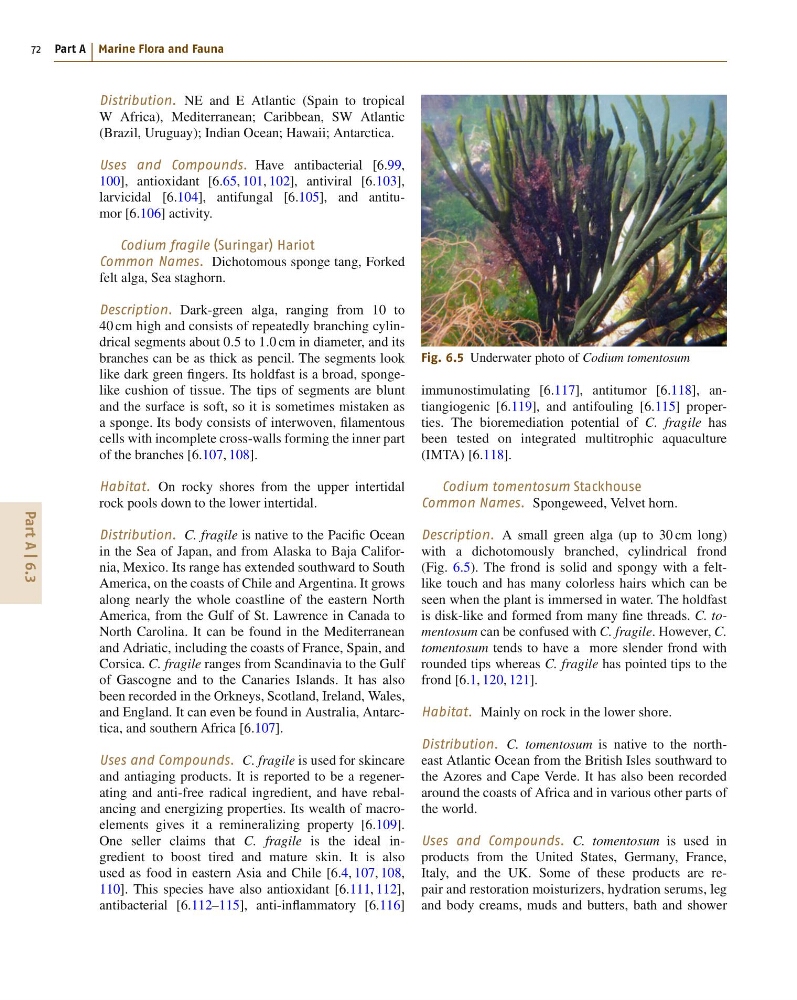
Fig. 6.5 Underwater photo of Codium tomentosum
immunostimulating [6.117], antitumor [6.118], antiangiogenic [6.119], and antifouling [6.115] properties. The bioremediation potential of C. fragile has
been tested on integrated multitrophic aquaculture
(IMTA) [6.118].
Codium tomentosum Stackhouse
Common Names. Spongeweed, Velvet horn.
Description. A small green alga (up to 30 cm long)
with a dichotomously branched, cylindrical frond
(Fig. 6.5). The frond is solid and spongy with a feltlike touch and has many colorless hairs which can be
seen when the plant is immersed in water. The holdfast
is disk-like and formed from many fine threads. C. tomentosum can be confused with C. fragile. However, C.
tomentosum tends to have a more slender frond with
rounded tips whereas C. fragile has pointed tips to the
frond [6.1, 120, 121].
Habitat. Mainly on rock in the lower shore.
Distribution. C. tomentosum is native to the northeast Atlantic Ocean from the British Isles southward to
the Azores and Cape Verde. It has also been recorded
around the coasts of Africa and in various other parts of
the world.
Uses and Compounds. C. tomentosum is used in
products from the United States, Germany, France,
Italy, and the UK. Some of these products are repair and restoration moisturizers, hydration serums, leg
and body creams, muds and butters, bath and shower
72 Part A Marine Flora and Fauna
Distribution. NE and E Atlantic (Spain to tropical
W Africa), Mediterranean; Caribbean, SW Atlantic
(Brazil, Uruguay); Indian Ocean; Hawaii; Antarctica.
Uses and Compounds. Have antibacterial [6.99,
100], antioxidant [6.65, 101, 102], antiviral [6.103],
larvicidal [6.104], antifungal [6.105], and antitumor [6.106] activity.
Codium fragile (Suringar) Hariot
Common Names. Dichotomous sponge tang, Forked
felt alga, Sea staghorn.
Description. Dark-green alga, ranging from 10 to
40 cm high and consists of repeatedly branching cylindrical segments about 0:5 to 1:0 cm in diameter, and its
branches can be as thick as pencil. The segments look
like dark green fingers. Its holdfast is a broad, spongelike cushion of tissue. The tips of segments are blunt
and the surface is soft, so it is sometimes mistaken as
a sponge. Its body consists of interwoven, filamentous
cells with incomplete cross-walls forming the inner part
of the branches [6.107, 108].
Habitat. On rocky shores from the upper intertidal
rock pools down to the lower intertidal.
Distribution. C. fragile is native to the Pacific Ocean
in the Sea of Japan, and from Alaska to Baja California, Mexico. Its range has extended southward to South
America, on the coasts of Chile and Argentina. It grows
along nearly the whole coastline of the eastern North
America, from the Gulf of St. Lawrence in Canada to
North Carolina. It can be found in the Mediterranean
and Adriatic, including the coasts of France, Spain, and
Corsica. C. fragile ranges from Scandinavia to the Gulf
of Gascogne and to the Canaries Islands. It has also
been recorded in the Orkneys, Scotland, Ireland, Wales,
and England. It can even be found in Australia, Antarctica, and southern Africa [6.107].
Uses and Compounds. C. fragile is used for skincare
and antiaging products. It is reported to be a regenerating and anti-free radical ingredient, and have rebalancing and energizing properties. Its wealth of macroelements gives it a remineralizing property [6.109].
One seller claims that C. fragile is the ideal ingredient to boost tired and mature skin. It is also
used as food in eastern Asia and Chile [6.4, 107, 108,
110]. This species have also antioxidant [6.111, 112],
antibacterial [6.112–115], anti-inflammatory [6.116]
Fig. 6.5 Underwater photo of Codium tomentosum
immunostimulating [6.117], antitumor [6.118], antiangiogenic [6.119], and antifouling [6.115] properties. The bioremediation potential of C. fragile has
been tested on integrated multitrophic aquaculture
(IMTA) [6.118].
Codium tomentosum Stackhouse
Common Names. Spongeweed, Velvet horn.
Description. A small green alga (up to 30 cm long)
with a dichotomously branched, cylindrical frond
(Fig. 6.5). The frond is solid and spongy with a feltlike touch and has many colorless hairs which can be
seen when the plant is immersed in water. The holdfast
is disk-like and formed from many fine threads. C. tomentosum can be confused with C. fragile. However, C.
tomentosum tends to have a more slender frond with
rounded tips whereas C. fragile has pointed tips to the
frond [6.1, 120, 121].
Habitat. Mainly on rock in the lower shore.
Distribution. C. tomentosum is native to the northeast Atlantic Ocean from the British Isles southward to
the Azores and Cape Verde. It has also been recorded
around the coasts of Africa and in various other parts of
the world.
Uses and Compounds. C. tomentosum is used in
products from the United States, Germany, France,
Italy, and the UK. Some of these products are repair and restoration moisturizers, hydration serums, leg
and body creams, muds and butters, bath and shower