

654
mentary balance of the estuary, triggered processes of erosion of the river shore
(which contributes to the silting of river sections) and accelerated coastal erosion
(Bittencourt et al. 2007).
The estuarine mouth of São Francisco River and adjacent areas are significantly
degraded, mainly due to dams and water transposition/subtraction, directly affecting the river and indirectly changing socioeconomic and cultural aspects of riverside
communities. These careless interventions are exhausting the river, and closing to
breaking its recovery capacity. The idea of transposing the waters of São Francisco
River exists since the eighteenth century (Andrade 2012; Henkes 2014). The transposition project aims to capture water at two points of the São Francisco and take it
deeper into the semi-arid to provide water for the population. It would ensure agricultural crops, industrial activities and tourism, and finally secure the settlements of
rural populations in the region. From the colonial point of view, it is imperative to
promote the growth of productive activities in the region, to decrease public spending on emergency measures during the frequent and prolonged droughts and ensure
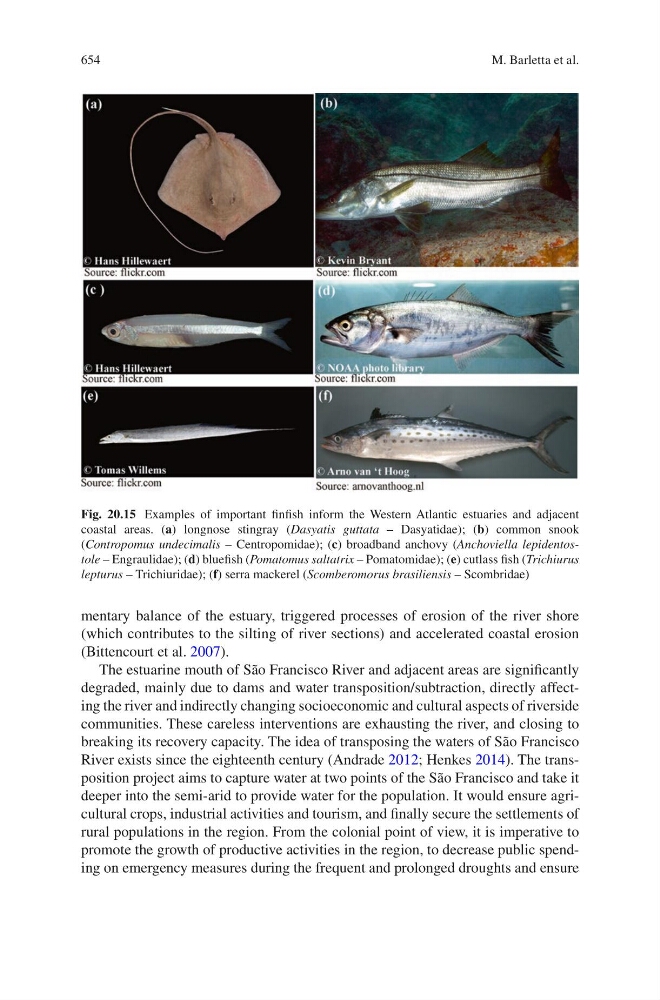
Fig. 20.15 Examples of important finfish inform the Western Atlantic estuaries and adjacent
coastal areas. (a) longnose stingray (Dasyatis guttata – Dasyatidae); (b) common snook
(Contropomus undecimalis – Centropomidae); (c) broadband anchovy (Anchoviella lepidentostole – Engraulidae); (d) bluefish (Pomatomus saltatrix – Pomatomidae); (e) cutlass fish (Trichiurus
lepturus – Trichiuridae); (f) serra mackerel (Scomberomorus brasiliensis – Scombridae)
M. Barletta et al.