

3. Toxic Effects of Selenium in Fish
46
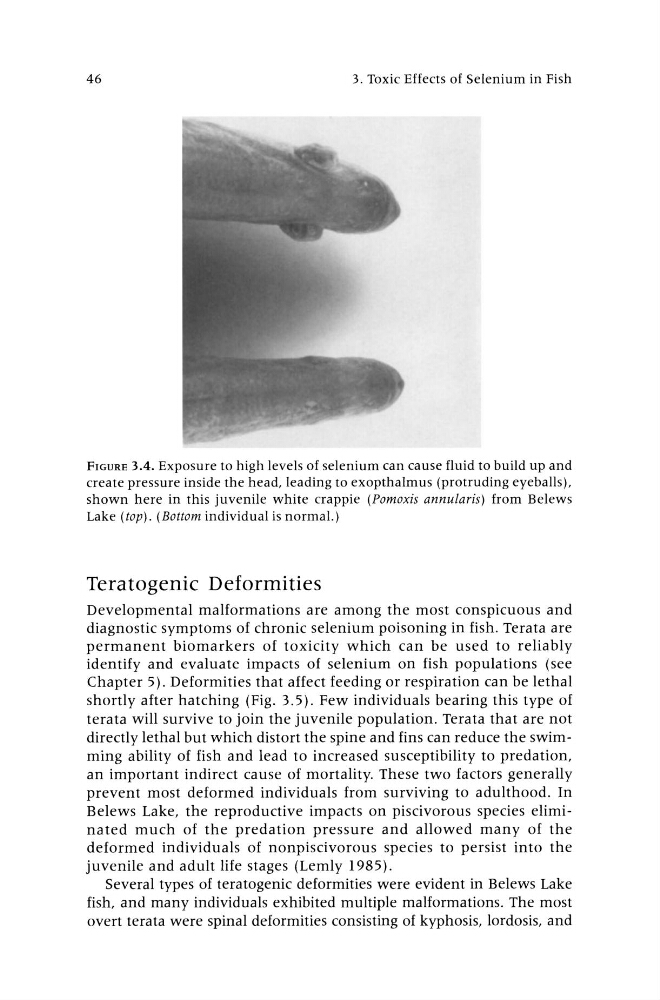
FIGURE 3.4. Exposure to high levels of selenium can cause fluid to build up and
create pressure inside the head, leading to exopthalmus (protruding eyeballs),
shown here in this juvenile white crappie (Pomoxis annularis) from Belews
Lake (top). (Bottom individual is normaL)
Teratogenic Deformities
Developmental malformations are among the most conspicuous and
diagnostic symptoms of chronic selenium poisoning in fish. Terata are
permanent biomarkers of toxicity which can be used to reliably
identify and evaluate impacts of selenium on fish populations (see
Chapter 5). Deformities that affect feeding or respiration can be lethal
shortly after hatching (Fig. 3.5). Few individuals bearing this type of
terata will survive to join the juvenile population. Terata that are not
directly lethal but which distort the spine and fins can reduce the swimming ability of fish and lead to increased susceptibility to predation,
an important indirect cause of mortality. These two factors generally
prevent most deformed individuals from surviving to adulthood. In
Belews Lake, the reproductive impacts on piscivorous species eliminated much of the predation pressure and allowed many of the
deformed individuals of nonpiscivorous species to persist into the
juvenile and adult life stages (Lemly 1985).
Several types of teratogenic deformities were evident in Belews Lake
fish, and many individuals exhibited multiple malformations. The most
overt terata were spinal deformities consisting of kyphosis, lordosis, and
46
FIGURE 3.4. Exposure to high levels of selenium can cause fluid to build up and
create pressure inside the head, leading to exopthalmus (protruding eyeballs),
shown here in this juvenile white crappie (Pomoxis annularis) from Belews
Lake (top). (Bottom individual is normaL)
Teratogenic Deformities
Developmental malformations are among the most conspicuous and
diagnostic symptoms of chronic selenium poisoning in fish. Terata are
permanent biomarkers of toxicity which can be used to reliably
identify and evaluate impacts of selenium on fish populations (see
Chapter 5). Deformities that affect feeding or respiration can be lethal
shortly after hatching (Fig. 3.5). Few individuals bearing this type of
terata will survive to join the juvenile population. Terata that are not
directly lethal but which distort the spine and fins can reduce the swimming ability of fish and lead to increased susceptibility to predation,
an important indirect cause of mortality. These two factors generally
prevent most deformed individuals from surviving to adulthood. In
Belews Lake, the reproductive impacts on piscivorous species eliminated much of the predation pressure and allowed many of the
deformed individuals of nonpiscivorous species to persist into the
juvenile and adult life stages (Lemly 1985).
Several types of teratogenic deformities were evident in Belews Lake
fish, and many individuals exhibited multiple malformations. The most
overt terata were spinal deformities consisting of kyphosis, lordosis, and