

26. Stoichiometric Analysis of Pelagic Ecosystems: The Biogeochemistry of Planktonic Food Webs
393
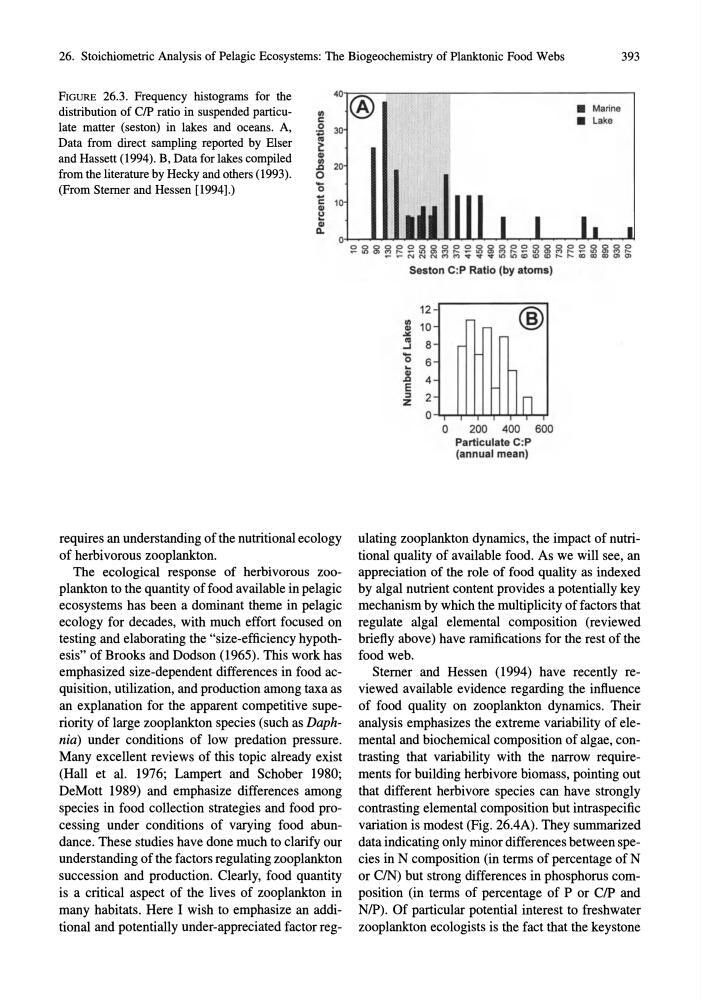
FIGURE 26.3. Frequency histograms for the
distribution of CIP ratio in suspended particulate matter (seston) in lakes and oceans. A,
Data from direct sampling reported by Elser
and Hassett (1994). B, Data for lakes compiled
from the literature by Hecky and others (1993).
(From Sterner and Hessen [1994].)
' "
I:
40 ®
•
Marine
•
Lake
0 30
;
"' ~
01>
'" 20
.c
0
'0
requires an understanding of the nutritional ecology
of herbivorous zooplankton.
The ecological response of herbivorous zooplankton to the quantity of food available in pelagic
ecosystems has been a dominant theme in pelagic
ecology for decades, with much effort focused on
testing and elaborating the "size-efficiency hypothesis" of Brooks and Dodson (1965). This work has
emphasized size-dependent differences in food acquisition, utilization, and production among taxa as
an explanation for the apparent competitive superiority of large zooplankton species (such as Daphnia) under conditions of low predation pressure.
Many excellent reviews of this topic already exist
(Hall et al. 1976; Lampert and Schober 1980;
DeMott 1989) and emphasize differences among
species in food collection strategies and food processing under conditions of varying food abundance. These studies have done much to clarify our
understanding of the factors regulating zooplankton
succession and production. Clearly, food quantity
is a critical aspect of the lives of zooplankton in
many habitats. Here I wish to emphasize an additional and potentially under-appreciated factor regSeston C:P Ratio (by atoms)
12
' "
.:l 10
j
8
'0 6
~
il 4
:i 2
o
@
n
o 200 400 600
Particulate C:P
(annual mean)
ulating zooplankton dynamics, the impact of nutritional quality of available food. As we will see, an
appreciation of the role of food quality as indexed
by algal nutrient content provides a potentially key
mechanism by which the mUltiplicity of factors that
regulate algal elemental composition (reviewed
briefly above) have ramifications for the rest of the
food web.
Sterner and Hessen (1994) have recently reviewed available evidence regarding the influence
of food quality on zooplankton dynamics. Their
analysis emphasizes the extreme variability of elemental and biochemical composition of algae, contrasting that variability with the narrow requirements for building herbivore biomass, pointing out
that different herbivore species can have strongly
contrasting elemental composition but intraspecific
variation is modest (Fig. 26.4A). They summarized
data indicating only minor differences between species in N composition (in terms of percentage of N
or C/N) but strong differences in phosphorus composition (in terms of percentage of P or CIP and
NIP). Of particular potential interest to freshwater
zooplankton ecologists is the fact that the keystone
393
FIGURE 26.3. Frequency histograms for the
distribution of CIP ratio in suspended particulate matter (seston) in lakes and oceans. A,
Data from direct sampling reported by Elser
and Hassett (1994). B, Data for lakes compiled
from the literature by Hecky and others (1993).
(From Sterner and Hessen [1994].)
' "
I:
40 ®
•
Marine
•
Lake
0 30
;
"' ~
01>
'" 20
.c
0
'0
requires an understanding of the nutritional ecology
of herbivorous zooplankton.
The ecological response of herbivorous zooplankton to the quantity of food available in pelagic
ecosystems has been a dominant theme in pelagic
ecology for decades, with much effort focused on
testing and elaborating the "size-efficiency hypothesis" of Brooks and Dodson (1965). This work has
emphasized size-dependent differences in food acquisition, utilization, and production among taxa as
an explanation for the apparent competitive superiority of large zooplankton species (such as Daphnia) under conditions of low predation pressure.
Many excellent reviews of this topic already exist
(Hall et al. 1976; Lampert and Schober 1980;
DeMott 1989) and emphasize differences among
species in food collection strategies and food processing under conditions of varying food abundance. These studies have done much to clarify our
understanding of the factors regulating zooplankton
succession and production. Clearly, food quantity
is a critical aspect of the lives of zooplankton in
many habitats. Here I wish to emphasize an additional and potentially under-appreciated factor regSeston C:P Ratio (by atoms)
12
' "
.:l 10
j
8
'0 6
~
il 4
:i 2
o
@
n
o 200 400 600
Particulate C:P
(annual mean)
ulating zooplankton dynamics, the impact of nutritional quality of available food. As we will see, an
appreciation of the role of food quality as indexed
by algal nutrient content provides a potentially key
mechanism by which the mUltiplicity of factors that
regulate algal elemental composition (reviewed
briefly above) have ramifications for the rest of the
food web.
Sterner and Hessen (1994) have recently reviewed available evidence regarding the influence
of food quality on zooplankton dynamics. Their
analysis emphasizes the extreme variability of elemental and biochemical composition of algae, contrasting that variability with the narrow requirements for building herbivore biomass, pointing out
that different herbivore species can have strongly
contrasting elemental composition but intraspecific
variation is modest (Fig. 26.4A). They summarized
data indicating only minor differences between species in N composition (in terms of percentage of N
or C/N) but strong differences in phosphorus composition (in terms of percentage of P or CIP and
NIP). Of particular potential interest to freshwater
zooplankton ecologists is the fact that the keystone