

50
B. Manca et al.
a
Spring '95: Rimini Transect
W
Density (kg.m )
E
BOI B02 B03 B04 B05 B06 807 808 809 810 Bll B12
0
0
21$
ZB.2
2S.~
1.'O~
28.5 28.3
'0 1
<8.7
20
28.7
'];
20
!
28.8
28.8
~
<9.0
28.9
a.
28.9
40
40
60
eo
0
10
20
30
40
50
60
70
80
90
100
DtSLlnca (kml
C
Autumn ' 95: Rimini Transect
W
E
8 I
B03 004
Bl1 B12
0
0
'fo.r..
26.8
20
20
~
III
27.2
.c
27.4
27.0
~
c.
28.0 27.6
40
27.4
28A
40
28.2
<8
60
60
0
10
20
30
40
50
60
70
80
90
Distance (km )
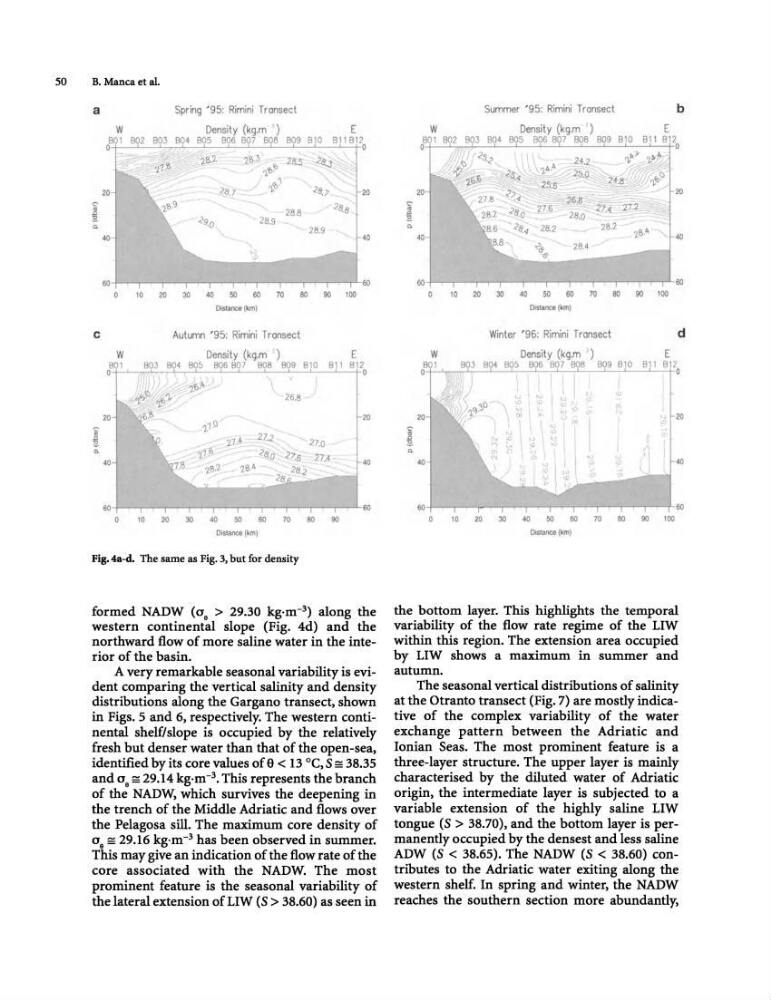
Fig.4a-d. The same as Fig. 3, but for density
formed NADW (O'e > 29.30 kg·m- 3 ) along the
western continental slope (Fig. 4d) and the
northward flow of more saline water in the interior of the basin.
A very remarkable seasonal variability is evident comparing the vertical salinity and density
distributions along the Gargano transect, shown
in Figs. 5 and 6, respectively. The western continental shelf/slope is occupied by the relatively
fresh but denser water than that of the open-sea,
identified by its core values of e < 13°C, S == 38.35
and 0'0 == 29.14 kg·m- 3 • This represents the branch
of the NADW, which survives the deepening in
the trench of the Middle Adriatic and flows over
the Pelagosa sill. The maximum core density of
0'0 == 29.16 kg·m- 3 has been observed in summer.
This may give an indication of the flow rate of the
core associated with the NADW. The most
prominent feature is the seasonal variability of
the lateral extension of LIW (S > 38.60) as seen in
Summer '95: Rimini Transect
b
W
Density (kg.m )
E
BOI 002 B03 B04 B05 B06 B07 B08 B09 Bl0 Bl1 B12
0
0
2 4.2
'\.~y '/.,~ ~-/
~A .A
25.0
"If
'. \)
25.0
24.8 :; / '\.'0'
20
2/.920
~
1 6.8
..
28.0 21.6
27.'C II.!
D
28.0
~
a.
28. 28.2
40
2e ~
40
"d' '(52B.4
60
60
0
10
20
30
40
50
60
70
80
90
100
Dislance (kin)
Winter ' 96: Rimini Transect
d
W
Densit y (kg.m )
E
B01
B03 B04 805 B 6 B07 BOB B09 BID Bl1 B12
0
0
20
~
.c
:2c.
40
40
60
60
0
10
20
30
40
50
60
70
80
90
100
DiStance (km)
the bottom layer. This highlights the temporal
variability of the flow rate regime of the LIW
within this region. The extension area occupied
by LIW shows a maximum in summer and
autumn.
The seasonal vertical distributions of salinity
at the Otranto transect (Fig. 7) are mostly indicative of the complex variability of the water
exchange pattern between the Adriatic and
Ionian Seas. The most prominent feature is a
three-layer structure. The upper layer is mainly
characterised by the diluted water of Adriatic
origin, the intermediate layer is subjected to a
variable extension of the highly saline LIW
tongue (S > 38.70), and the bottom layer is permanently occupied by the densest and less saline
ADW (S < 38.65). The NADW (S < 38.60) contributes to the Adriatic water exiting along the
western shelf. In spring and winter, the NADW
reaches the southern section more abundantly,
B. Manca et al.
a
Spring '95: Rimini Transect
W
Density (kg.m )
E
BOI B02 B03 B04 B05 B06 807 808 809 810 Bll B12
0
0
21$
ZB.2
2S.~
1.'O~
28.5 28.3
'0 1
<8.7
20
28.7
'];
20
!
28.8
28.8
~
<9.0
28.9
a.
28.9
40
40
60
eo
0
10
20
30
40
50
60
70
80
90
100
DtSLlnca (kml
C
Autumn ' 95: Rimini Transect
W
E
8 I
B03 004
Bl1 B12
0
0
'fo.r..
26.8
20
20
~
III
27.2
.c
27.4
27.0
~
c.
28.0 27.6
40
27.4
28A
40
28.2
<8
60
60
0
10
20
30
40
50
60
70
80
90
Distance (km )
Fig.4a-d. The same as Fig. 3, but for density
formed NADW (O'e > 29.30 kg·m- 3 ) along the
western continental slope (Fig. 4d) and the
northward flow of more saline water in the interior of the basin.
A very remarkable seasonal variability is evident comparing the vertical salinity and density
distributions along the Gargano transect, shown
in Figs. 5 and 6, respectively. The western continental shelf/slope is occupied by the relatively
fresh but denser water than that of the open-sea,
identified by its core values of e < 13°C, S == 38.35
and 0'0 == 29.14 kg·m- 3 • This represents the branch
of the NADW, which survives the deepening in
the trench of the Middle Adriatic and flows over
the Pelagosa sill. The maximum core density of
0'0 == 29.16 kg·m- 3 has been observed in summer.
This may give an indication of the flow rate of the
core associated with the NADW. The most
prominent feature is the seasonal variability of
the lateral extension of LIW (S > 38.60) as seen in
Summer '95: Rimini Transect
b
W
Density (kg.m )
E
BOI 002 B03 B04 B05 B06 B07 B08 B09 Bl0 Bl1 B12
0
0
2 4.2
'\.~y '/.,~ ~-/
~A .A
25.0
"If
'. \)
25.0
24.8 :; / '\.'0'
20
2/.920
~
1 6.8
..
28.0 21.6
27.'C II.!
D
28.0
~
a.
28. 28.2
40
2e ~
40
"d' '(52B.4
60
60
0
10
20
30
40
50
60
70
80
90
100
Dislance (kin)
Winter ' 96: Rimini Transect
d
W
Densit y (kg.m )
E
B01
B03 B04 805 B 6 B07 BOB B09 BID Bl1 B12
0
0
20
~
.c
:2c.
40
40
60
60
0
10
20
30
40
50
60
70
80
90
100
DiStance (km)
the bottom layer. This highlights the temporal
variability of the flow rate regime of the LIW
within this region. The extension area occupied
by LIW shows a maximum in summer and
autumn.
The seasonal vertical distributions of salinity
at the Otranto transect (Fig. 7) are mostly indicative of the complex variability of the water
exchange pattern between the Adriatic and
Ionian Seas. The most prominent feature is a
three-layer structure. The upper layer is mainly
characterised by the diluted water of Adriatic
origin, the intermediate layer is subjected to a
variable extension of the highly saline LIW
tongue (S > 38.70), and the bottom layer is permanently occupied by the densest and less saline
ADW (S < 38.65). The NADW (S < 38.60) contributes to the Adriatic water exiting along the
western shelf. In spring and winter, the NADW
reaches the southern section more abundantly,