

Halogenation of N- and S-Atoms
Amines are halogenated by haloperoxidases to form unstable haloamines, which
readily deaminate or decarboxylate, liberating the halogen [2001]. This pathway
constitutes a part of the natural mammalian defence system against microorganisms, parasites and, perhaps, tumor cells. In an analogous fashion, thiols are
oxidized to yield the corresponding sulfenyl halides. These highly reactive species
are prone to undergo nucleophilic attack by hydroxyl ion or by excess thiol
[2002, 2003]. As a result, sulfenic acids or disulfides are formed, respectively.
Due to a lack of control, these reactions are of no synthetic use.
In view of the predominant chemical nature of biohalogenation, it seems that
enzymatic halogenation reactions involving haloperoxidases do not show any
significant advantage over the usual chemical reactions due to their lack of
stereoselectivity. A benefit, however, lies in the mild reaction conditions employed.
2.7.2 Dehalogenation
The concentrations of haloorganic compounds in the ecosphere has remained
reasonably constant due to the establishment of an equilibrium between biosynthesis and biodegradation. Due to man’s recent activities, a large number of halogencontaining compounds – most of which are recalcitrant – are liberated either by
intent (e.g., insecticides), or because of poor practice (lead scavengers in gasoline)
or through abuse (dumping of waste) into the ecosystem. These halogenated
compounds would rapidly pollute the earth if there were no microbial
dehalogenation pathways [2004, 2005]. Five major pathways for enzymatic degradation of halogenated compounds have been discovered (Table 2.10) [2006–2009].
Cl
Cl
X
Haloperoxidase
Br or Cl , H 2 O 2
Cl
O
O
O
O
O
O H
X = Cl or Br
Cl
Cl
OH
HO
Caldariomycin
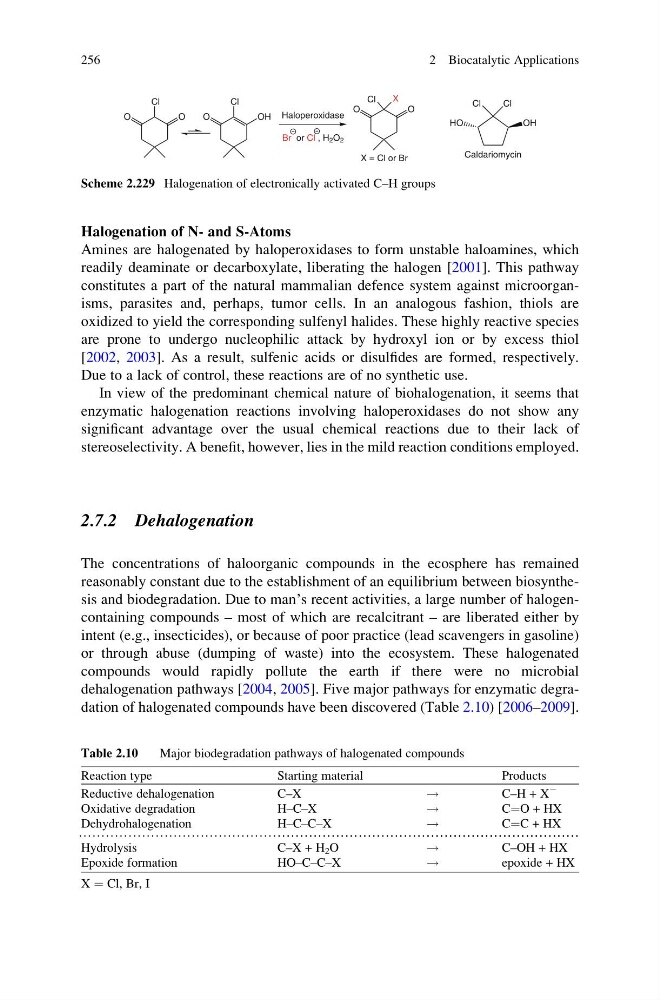
Scheme 2.229 Halogenation of electronically activated C–H groups
. . . . . . . . . . . . . . . . . . . . . . . . . . . . . . . . . . . . . . . . . . . . . . . . . . . . . . . . . . . . . . . . . . . . . . . . . . . . . . . . . . . . . . . . . . . . . . . . . . . . . . . . . . . . . . .
. . . . . . . . . . . . . . . . . . . . . . . . . . . . . . . . . . . . . . . . . . . . . . . . . . . . . . . . . . . . . . . . . . .
. . . . . . . . . . . . . . . . . . . . . . . . . . . . . . . . . .
Table 2.10
Major biodegradation pathways of halogenated compounds
Reaction type
Starting material
Products
Reductive dehalogenation
C–X
!
C–H + X
À
Oxidative degradation
H–C–X
!
C¼O + HX
Dehydrohalogenation
H–C–C–X
!
C¼C + HX
Hydrolysis
C–X + H 2 O
!
C–OH + HX
Epoxide formation
HO–C–C–X
!
epoxide + HX
X ¼ Cl, Br, I
256
2 Biocatalytic Applications
Amines are halogenated by haloperoxidases to form unstable haloamines, which
readily deaminate or decarboxylate, liberating the halogen [2001]. This pathway
constitutes a part of the natural mammalian defence system against microorganisms, parasites and, perhaps, tumor cells. In an analogous fashion, thiols are
oxidized to yield the corresponding sulfenyl halides. These highly reactive species
are prone to undergo nucleophilic attack by hydroxyl ion or by excess thiol
[2002, 2003]. As a result, sulfenic acids or disulfides are formed, respectively.
Due to a lack of control, these reactions are of no synthetic use.
In view of the predominant chemical nature of biohalogenation, it seems that
enzymatic halogenation reactions involving haloperoxidases do not show any
significant advantage over the usual chemical reactions due to their lack of
stereoselectivity. A benefit, however, lies in the mild reaction conditions employed.
2.7.2 Dehalogenation
The concentrations of haloorganic compounds in the ecosphere has remained
reasonably constant due to the establishment of an equilibrium between biosynthesis and biodegradation. Due to man’s recent activities, a large number of halogencontaining compounds – most of which are recalcitrant – are liberated either by
intent (e.g., insecticides), or because of poor practice (lead scavengers in gasoline)
or through abuse (dumping of waste) into the ecosystem. These halogenated
compounds would rapidly pollute the earth if there were no microbial
dehalogenation pathways [2004, 2005]. Five major pathways for enzymatic degradation of halogenated compounds have been discovered (Table 2.10) [2006–2009].
Cl
Cl
X
Haloperoxidase
Br or Cl , H 2 O 2
Cl
O
O
O
O
O
O H
X = Cl or Br
Cl
Cl
OH
HO
Caldariomycin
Scheme 2.229 Halogenation of electronically activated C–H groups
. . . . . . . . . . . . . . . . . . . . . . . . . . . . . . . . . . . . . . . . . . . . . . . . . . . . . . . . . . . . . . . . . . . . . . . . . . . . . . . . . . . . . . . . . . . . . . . . . . . . . . . . . . . . . . .
. . . . . . . . . . . . . . . . . . . . . . . . . . . . . . . . . . . . . . . . . . . . . . . . . . . . . . . . . . . . . . . . . . .
. . . . . . . . . . . . . . . . . . . . . . . . . . . . . . . . . .
Table 2.10
Major biodegradation pathways of halogenated compounds
Reaction type
Starting material
Products
Reductive dehalogenation
C–X
!
C–H + X
À
Oxidative degradation
H–C–X
!
C¼O + HX
Dehydrohalogenation
H–C–C–X
!
C¼C + HX
Hydrolysis
C–X + H 2 O
!
C–OH + HX
Epoxide formation
HO–C–C–X
!
epoxide + HX
X ¼ Cl, Br, I
256
2 Biocatalytic Applications