

22
Chapter 2 Continental Sediments
LOESS
SOlL
CRYOTURBATION
ICE WEDGE
GLEY
BEDROCK (MIOCENE
LOWER
INTERGLACIAL
UPPER
SANDS AND SO ME BROWN COAL)
GRAVEL BED
PEAT AND CLAY
GRAVEL BED
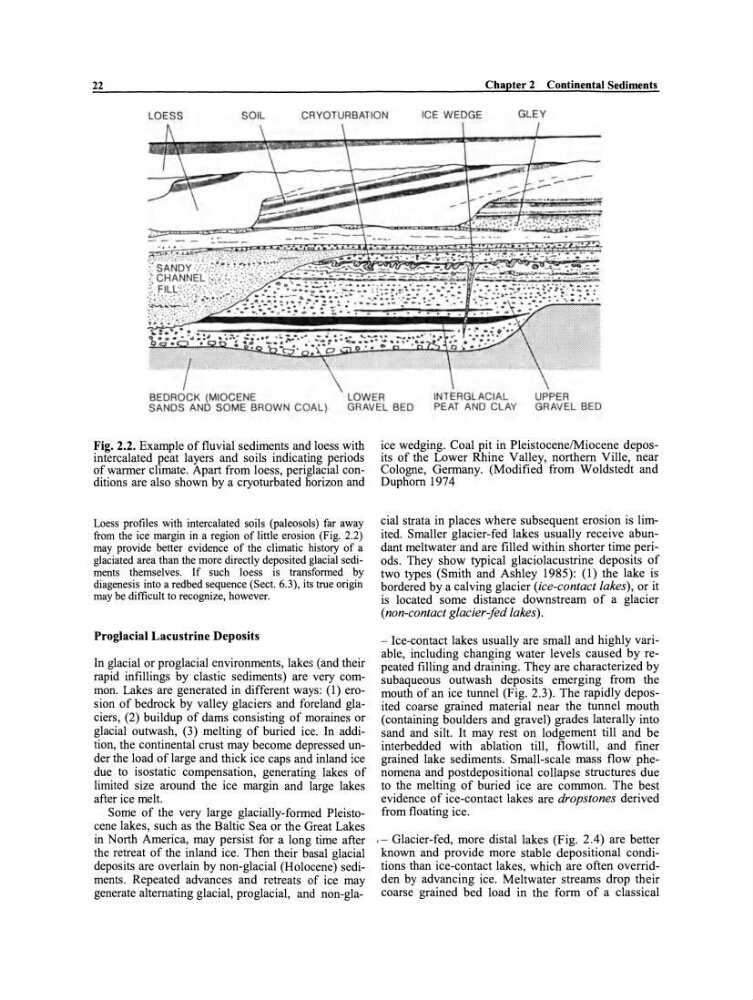
Fig. 2.2. Example of fluvial sediments and loess with
intercalated peat layers and soils indicating periods
of warmer climate. Apart from loess, periglaclal conditions are also shown by a cryoturbated horizon and
Loess profiles with intercalated soils (paleosols) far away
from the ice margin in a region of little erosion (Fig. 2.2)
may provide bett er evidence of the c\imatic history of a
glaciated area than the more directly deposited glacial sediments themselves. If such loess is transformed by
diagenesis into a redbed sequence (Sect. 6.3), its true origin
may be difficult to recognize, however.
Proglacial Lacustrine Deposits
In glacial or proglacial environments, lakes (and their
rapid infillings by clastic sediments) are very common. Lakes are generated in different ways: (1) erosion of bedrock by valley glaciers and fore land glaciers, (2) buildup of dams consisting of moraines or
glacial outwash, (3) melting of buried ice. In addition, the continental crnst may become depressed under the load of large and thick ice caps and inland ice
due to isostatic compensation, generating lakes of
limited size around the ice margin and large lakes
after ice melt.
Some of the very large glacially-formed Pleistocene lakes, such as the Baltic Sea or the Great Lakes
in North America, may persist for a long time after
the retreat of the inland ice. Then their basal glacial
deposits are overlain by non-glacial (Holocene) sediments. Repeated advances and retreats of ice may
generate altemating glacial, proglacial, and non-glaice wedging. Coal pit in PleistocenelMiocene deposits of the Lower Rhine Valley, northem Ville, near
Cologne, Germany. (Modified from Woldstedt and
Duphom 1974
cial strata in places where subsequent erosion is limited. Smaller glacier-fed lakes usually receive abundant meltwater and are filled within shorter time periods. They show typical glaciolacustrine deposits of
two types (Smith and Ashley 1985): (1) the lake is
bordered by a calving glacier (ice-contact lakes), or it
is located some distance downstream of a glacier
(non-contact glacier-fed lakes).
- Ice-contact lakes usually are small and highly variable, including changing water levels caused by repeated filling and draining. They are characterized by
subaqueous outwash deposits emerging from the
mouth of an ice tunnel (Fig. 2.3). The rapidly deposited coarse grained material near the tunnel mouth
(containing boulders and gravel) grades laterally into
sand and silt. It may rest on lodgement till and be
interbedded with ablation till, flowtill, and finer
grained lake sediments. Srnall-scale mass flow phenomena and postdepositional collapse structures due
to the melting of buried ice are common. The best
evidence of ice-contact lakes are drops tones derived
from floating ice.
,- Glacier-fed, more distallakes (Fig. 2.4) are better
known and provide more stable depositional conditions than ice-contact lakes, which are often overridden by advancing ice. Meltwater streams drop their
coarse grained bed load in the form of a classical
Chapter 2 Continental Sediments
LOESS
SOlL
CRYOTURBATION
ICE WEDGE
GLEY
BEDROCK (MIOCENE
LOWER
INTERGLACIAL
UPPER
SANDS AND SO ME BROWN COAL)
GRAVEL BED
PEAT AND CLAY
GRAVEL BED
Fig. 2.2. Example of fluvial sediments and loess with
intercalated peat layers and soils indicating periods
of warmer climate. Apart from loess, periglaclal conditions are also shown by a cryoturbated horizon and
Loess profiles with intercalated soils (paleosols) far away
from the ice margin in a region of little erosion (Fig. 2.2)
may provide bett er evidence of the c\imatic history of a
glaciated area than the more directly deposited glacial sediments themselves. If such loess is transformed by
diagenesis into a redbed sequence (Sect. 6.3), its true origin
may be difficult to recognize, however.
Proglacial Lacustrine Deposits
In glacial or proglacial environments, lakes (and their
rapid infillings by clastic sediments) are very common. Lakes are generated in different ways: (1) erosion of bedrock by valley glaciers and fore land glaciers, (2) buildup of dams consisting of moraines or
glacial outwash, (3) melting of buried ice. In addition, the continental crnst may become depressed under the load of large and thick ice caps and inland ice
due to isostatic compensation, generating lakes of
limited size around the ice margin and large lakes
after ice melt.
Some of the very large glacially-formed Pleistocene lakes, such as the Baltic Sea or the Great Lakes
in North America, may persist for a long time after
the retreat of the inland ice. Then their basal glacial
deposits are overlain by non-glacial (Holocene) sediments. Repeated advances and retreats of ice may
generate altemating glacial, proglacial, and non-glaice wedging. Coal pit in PleistocenelMiocene deposits of the Lower Rhine Valley, northem Ville, near
Cologne, Germany. (Modified from Woldstedt and
Duphom 1974
cial strata in places where subsequent erosion is limited. Smaller glacier-fed lakes usually receive abundant meltwater and are filled within shorter time periods. They show typical glaciolacustrine deposits of
two types (Smith and Ashley 1985): (1) the lake is
bordered by a calving glacier (ice-contact lakes), or it
is located some distance downstream of a glacier
(non-contact glacier-fed lakes).
- Ice-contact lakes usually are small and highly variable, including changing water levels caused by repeated filling and draining. They are characterized by
subaqueous outwash deposits emerging from the
mouth of an ice tunnel (Fig. 2.3). The rapidly deposited coarse grained material near the tunnel mouth
(containing boulders and gravel) grades laterally into
sand and silt. It may rest on lodgement till and be
interbedded with ablation till, flowtill, and finer
grained lake sediments. Srnall-scale mass flow phenomena and postdepositional collapse structures due
to the melting of buried ice are common. The best
evidence of ice-contact lakes are drops tones derived
from floating ice.
,- Glacier-fed, more distallakes (Fig. 2.4) are better
known and provide more stable depositional conditions than ice-contact lakes, which are often overridden by advancing ice. Meltwater streams drop their
coarse grained bed load in the form of a classical