

3.2 Tidal Flats
EOLIAN
B E A C H "
,;;; " i",
SHORE- .;' ,';;? '",:::::" ,
FACE
-,., ::n,d.:'if
WASHOVER \
CHANNEL
SEDIMENTS
BEACH RIDGE
SKELETAL
AND PELLETAl
CARBONATE '
SAND (FORAMS.
GASTROPODS
~=::Jo!J,...ETC . )
POND WITH FINE
t HOMOGENEOUS
BIOTURBATED
LI ME MUD
ALGAL MATS
~.
'TEPEE'
.. .... .
~
PELLETS
. -....... "
;ARBONATE MUD
' I ; :~ ,:: i,:;; ":: ...
117
~~~4I-~~~~L
-=--"'--'-_ ... ",.... FINE
PELLETS
STORM
LAYER
CONTORTED
LAYER
L DOLOMITE
PEBBLES OF
LI ME MUD
SUBTIDAL
MUDS AND SANDS
MANGROVE
POND
OPEN
INTERTIDAL
8J
RUSTS
·_·'· .. u·_ .
..
POND
LI ME MUD
'BIROS'S EYES'
::, -:.-:'''..-.==--"
OR CRUSTS
I ~
~. '
~
(lNTRACLASTS)
50
" ' : : ' . "
GRAIN
.J ') I
~ t
, ,' __ i." '
. ' ........ -...,; .
LAYER 2vi • ~r . 1 ::
;:,:,,,: ( "
MAY BE REPLACEY /:,'. ' . ' .'
( .'
. "
&..:.:... ......... ;.;.-0-, . ,
•
BY 0010 BARS .
PELLETAL MUD. HOMOROOTS. PELEJNTENSIVELY
I ~
'~
INDISTlNCTL Y
LAMINATED
BRECCIA OF
BROKEN DOLOMITIC CRUST OR
ALGAL MATS
(FLAT PEBBlE
CONGLOMERATE)
SHELL BEOS,
GENIZED BY BURROWING CYPOOS. ETC.
BIOTURBATED
REEFS
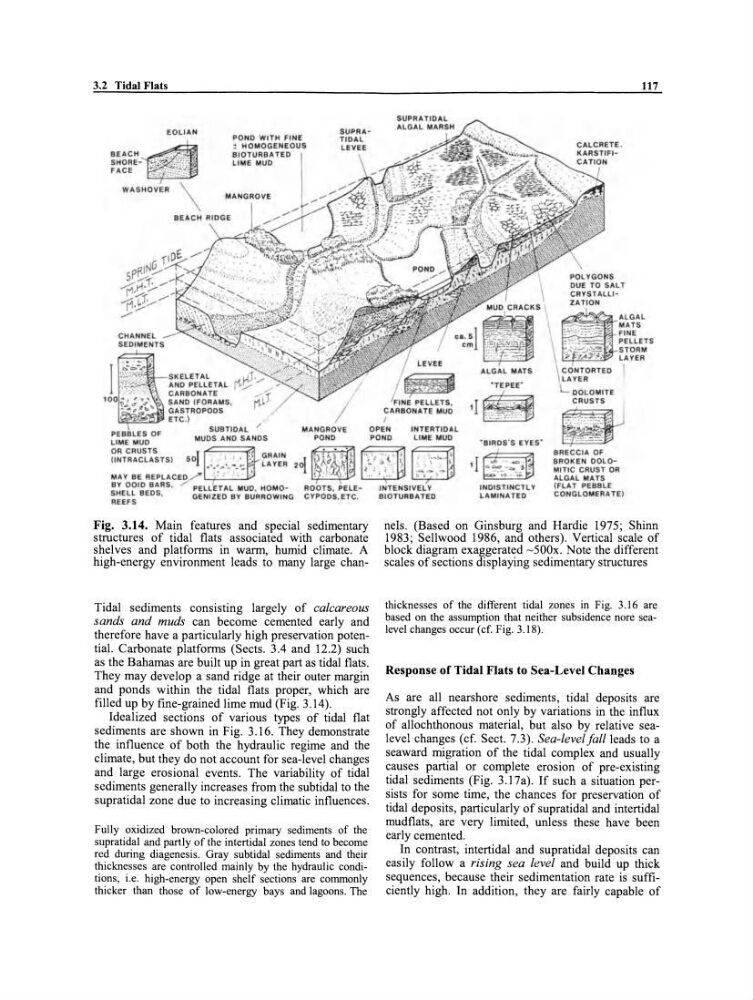
Fig. 3.14. Main features and special sedimentary
structures of tidal flats associated with carbonate
shelves and platforms in warm, humid climate. A
high-energy environment leads to many large chanTidal sediments conslstlng largely of calcareous
sands and muds can become cemented early and
therefore have a particularly high preservation potentiaL Carbonate platforms (Sects. 3.4 and 12.2) such
as the Bahamas are built up in great part as tidal flats.
They may develop a sand ridge at their outer margin
and ponds within the tidal flats proper, which are
filled up by fine-grained lime mud (Fig. 3.14).
Idealized sections of various types of tidal flat
sediments are shown in Fig. 3.16. They demonstrate
the influence of both the hydraulic regime and the
climate, but they do not account for sea-Ievel changes
and large erosional events. The variability of tidal
sediments generally increases from the subtidal to the
supratidal zone due to increasing climatic influences.
Fully oxidized brown-colored primary sediments of the
supratidal and partly of the intertidal zones tend to become
red during diagenesis. Gray subtidal sediments and their
thicknesses are controlled mainly by the hydraulic conditions, i.e. high-energy open shelf sections are commonly
thicker than those of low-energy bays and lagoons. The
nels. (Based on Ginsburg and Hardie 1975; Shinn
1983; Sellwood 1986, and others). Vertical scale of
block diagram exaggerated ~500x. Note the different
scales of sections displaying sedimentary structures
thicknesses of the different tidal zones in Fig. 3.16 are
based on the assumption that neither subsidence nore sealevel changes occur (cf. Fig. 3.18).
Response of Tidal Flats to Sea-Level Changes
As are all nearshore sediments, tidal deposits are
strongly affected not only by variations in the influx
of allochthonous material, but also by relative sealevel changes (cf. Sect. 7.3). Sea-leveifalileads to a
seaward migration of the tidal complex and usually
causes partial or complete erosion of pre-existing
tidal sediments (Fig. 3.17a). If such a situation persists for some time, the chances for preservation of
tidal deposits, particularly of supratidal and intertidal
mudflats, are very limited, unless these have been
early cemented.
In contrast, intertidal and supratidal deposits can
easily follow a rising sea level and build up thick
sequences, because their sedimentation rate is sufficiently high. In addition, they are fairly capable of
EOLIAN
B E A C H "
,;;; " i",
SHORE- .;' ,';;? '",:::::" ,
FACE
-,., ::n,d.:'if
WASHOVER \
CHANNEL
SEDIMENTS
BEACH RIDGE
SKELETAL
AND PELLETAl
CARBONATE '
SAND (FORAMS.
GASTROPODS
~=::Jo!J,...ETC . )
POND WITH FINE
t HOMOGENEOUS
BIOTURBATED
LI ME MUD
ALGAL MATS
~.
'TEPEE'
.. .... .
~
PELLETS
. -....... "
;ARBONATE MUD
' I ; :~ ,:: i,:;; ":: ...
117
~~~4I-~~~~L
-=--"'--'-_ ... ",.... FINE
PELLETS
STORM
LAYER
CONTORTED
LAYER
L DOLOMITE
PEBBLES OF
LI ME MUD
SUBTIDAL
MUDS AND SANDS
MANGROVE
POND
OPEN
INTERTIDAL
8J
RUSTS
·_·'· .. u·_ .
..
POND
LI ME MUD
'BIROS'S EYES'
::, -:.-:'''..-.==--"
OR CRUSTS
I ~
~. '
~
(lNTRACLASTS)
50
" ' : : ' . "
GRAIN
.J ') I
~ t
, ,' __ i." '
. ' ........ -...,; .
LAYER 2vi • ~r . 1 ::
;:,:,,,: ( "
MAY BE REPLACEY /:,'. ' . ' .'
( .'
. "
&..:.:... ......... ;.;.-0-, . ,
•
BY 0010 BARS .
PELLETAL MUD. HOMOROOTS. PELEJNTENSIVELY
I ~
'~
INDISTlNCTL Y
LAMINATED
BRECCIA OF
BROKEN DOLOMITIC CRUST OR
ALGAL MATS
(FLAT PEBBlE
CONGLOMERATE)
SHELL BEOS,
GENIZED BY BURROWING CYPOOS. ETC.
BIOTURBATED
REEFS
Fig. 3.14. Main features and special sedimentary
structures of tidal flats associated with carbonate
shelves and platforms in warm, humid climate. A
high-energy environment leads to many large chanTidal sediments conslstlng largely of calcareous
sands and muds can become cemented early and
therefore have a particularly high preservation potentiaL Carbonate platforms (Sects. 3.4 and 12.2) such
as the Bahamas are built up in great part as tidal flats.
They may develop a sand ridge at their outer margin
and ponds within the tidal flats proper, which are
filled up by fine-grained lime mud (Fig. 3.14).
Idealized sections of various types of tidal flat
sediments are shown in Fig. 3.16. They demonstrate
the influence of both the hydraulic regime and the
climate, but they do not account for sea-Ievel changes
and large erosional events. The variability of tidal
sediments generally increases from the subtidal to the
supratidal zone due to increasing climatic influences.
Fully oxidized brown-colored primary sediments of the
supratidal and partly of the intertidal zones tend to become
red during diagenesis. Gray subtidal sediments and their
thicknesses are controlled mainly by the hydraulic conditions, i.e. high-energy open shelf sections are commonly
thicker than those of low-energy bays and lagoons. The
nels. (Based on Ginsburg and Hardie 1975; Shinn
1983; Sellwood 1986, and others). Vertical scale of
block diagram exaggerated ~500x. Note the different
scales of sections displaying sedimentary structures
thicknesses of the different tidal zones in Fig. 3.16 are
based on the assumption that neither subsidence nore sealevel changes occur (cf. Fig. 3.18).
Response of Tidal Flats to Sea-Level Changes
As are all nearshore sediments, tidal deposits are
strongly affected not only by variations in the influx
of allochthonous material, but also by relative sealevel changes (cf. Sect. 7.3). Sea-leveifalileads to a
seaward migration of the tidal complex and usually
causes partial or complete erosion of pre-existing
tidal sediments (Fig. 3.17a). If such a situation persists for some time, the chances for preservation of
tidal deposits, particularly of supratidal and intertidal
mudflats, are very limited, unless these have been
early cemented.
In contrast, intertidal and supratidal deposits can
easily follow a rising sea level and build up thick
sequences, because their sedimentation rate is sufficiently high. In addition, they are fairly capable of