

497
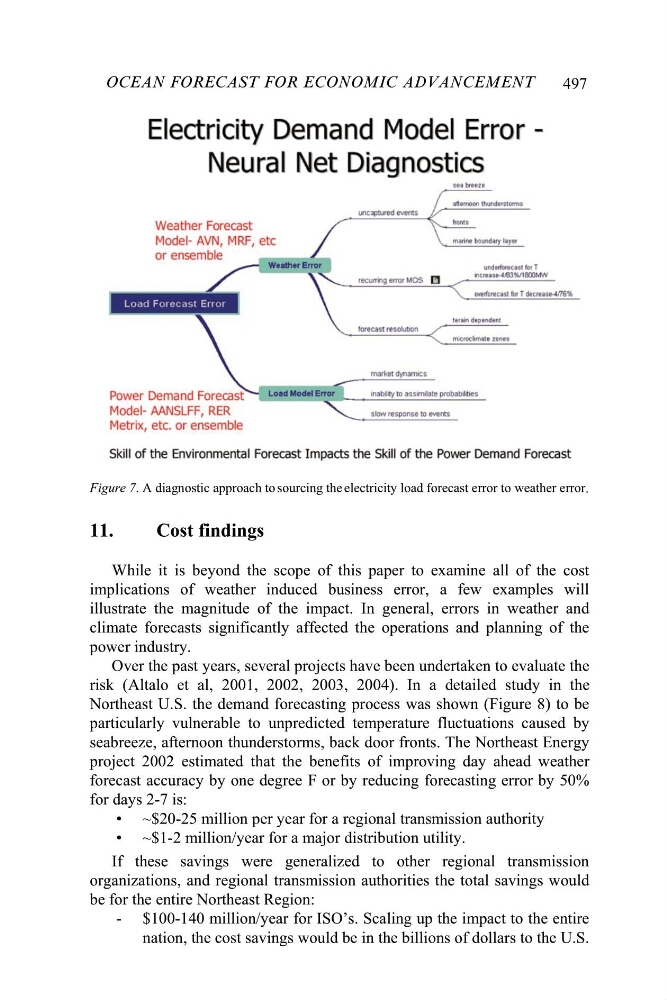
Figure 7. A diagnostic approach to sourcing the electricity load forecast error to weather error
11.
Cost findings
While it is beyond the scope of this paper to examine all of the cost
implications of weather induced business error, a few examples will
illustrate the magnitude of the impact. In general, errors in weather and
climate forecasts significantly affected the operations and planning of the
power industry.
Over the past years, several projects have been undertaken to evaluate the
risk (Altalo et al, 2001, 2002, 2003, 2004). In a detailed study in the
Northeast U.S. the demand forecasting process was shown (Figure 8) to be
particularly vulnerable to unpredicted temperature fluctuations caused by
seabreeze, afternoon thunderstorms, back door fronts. The Northeast Energy
project 2002 estimated that the benefits of improving day ahead weather
forecast accuracy by one degree F or by reducing forecasting error by 50%
for days 2-7 is:
• ~$20-25 million per year for a regional transmission authority
• ~$1-2 million/year for a major distribution utility.
If these savings were generalized to other regional transmission
organizations, and regional transmission authorities the total savings would
be for the entire Northeast Region:
- $100-140 million/year for ISO’s. Scaling up the impact to the entire
nation, the cost savings would be in the billions of dollars to the U.S.
.
OCEAN FORECAST FOR ECONOMIC ADVANCEMENT
Figure 7. A diagnostic approach to sourcing the electricity load forecast error to weather error
11.
Cost findings
While it is beyond the scope of this paper to examine all of the cost
implications of weather induced business error, a few examples will
illustrate the magnitude of the impact. In general, errors in weather and
climate forecasts significantly affected the operations and planning of the
power industry.
Over the past years, several projects have been undertaken to evaluate the
risk (Altalo et al, 2001, 2002, 2003, 2004). In a detailed study in the
Northeast U.S. the demand forecasting process was shown (Figure 8) to be
particularly vulnerable to unpredicted temperature fluctuations caused by
seabreeze, afternoon thunderstorms, back door fronts. The Northeast Energy
project 2002 estimated that the benefits of improving day ahead weather
forecast accuracy by one degree F or by reducing forecasting error by 50%
for days 2-7 is:
• ~$20-25 million per year for a regional transmission authority
• ~$1-2 million/year for a major distribution utility.
If these savings were generalized to other regional transmission
organizations, and regional transmission authorities the total savings would
be for the entire Northeast Region:
- $100-140 million/year for ISO’s. Scaling up the impact to the entire
nation, the cost savings would be in the billions of dollars to the U.S.
.
OCEAN FORECAST FOR ECONOMIC ADVANCEMENT