

496
MARY ALTALO
are run with and without the environmental information, scenarios are
generated, consequences analyzed, cost factors applied and performance
assessed. As the skill of the environmental forecast product increases so too
does the skill of the business and policy forecast. Thus the “Demand” grows
for the information product. This approach may require integrated
information from ALL the observing systems elements-ocean, terrestrial,
weather and climate. The “trial” approach actively engages the end user and
the organizational unit in which s/he functions. The outcomes are used to
guide marketplace decisions, to inform national policy and to prioritize the
research and development strategies of nations.
Diagnostic Approach to Assessing
Diagnostic Approach to Assessing
Vulnerability and Risk
Vulnerability and Risk
Project Objectives
Identify optimal NOAA
product definitions supporting
Energy industry planning
requirements
Project Objectives
Identify optimal NOAA
product definitions supporting
Energy industry planning
requirements
Task 1.
Base Case
Situat ion Assessment
•Project Init iat ion
•Define Current Pract ice
•Define Planning Needs
•Evaluate current data
Strengths and weaknesses
Task 2.
Gap Analysis
•Apply “Perfect Case”
•Identify Gaps
•Evaluate NOAA Protot ypes
Task 3.
Cost-Benefit
•Identify cost s and benefits
•Review and select methodology
•Apply Methodology
•Recommend Ideal/Most
•Optimal Product
Planning Requirements
•Load forecast
•Short-term pricing
•Load flow management
•Power purchases
Planning Requirements
•Load forecast
•Short-term pricing
•Load flow management
•Power purchases
Cost
Marginal
Benefits/Decisions
Attractive
Products
Not Attractive
Product s
Weather Information
Supply Curve
Practitioners
Panel
•NE ISO
•Con Edison
•PJM
•SUNY
Practitioners
Panel
•NE ISO
•Con Edison
•PJM
•SUNY
D a t a P r o v i d e r s
( N O A A
N W
S , O A R ,
A R L , F S L ,, E P A ,
N C E P , N A S A )
D a t a I n te r m
e d ia
r ie s
Level of Analysis:
Inter-/Intra Regional
Distribution
End-customer
Planning Area
S c e n a r io
Project Objectives
Identify optimal NOAA
product definitions supporting
Energy industry planning
requirements
Project Objectives
Identify optimal observing/model
product definitions supporting
Energy industry planning
requirements
Task 1.
Base Case
Situat ion Assessment
•Project Init iat ion
•Define Current Pract ice
•Define Planning Needs
•Evaluate current data
Strengths and weaknesses
Task 1.
Base Case
Situat ion Assessment
•Project Init iat ion
•Define Current Pract ice
•Define Planning Needs
•Evaluate current data
Strengths and weaknesses
Task 2.
Gap Analysis
•Apply “Perfect Case”
•Identify Gaps
•Evaluate NOAA Protot ypes
Task 2.
Gap Analysis
•Apply “Perfect Case”
•Identify Gaps
•Evaluate Prototypes
Task 3.
Cost-Benefit
•Identify cost s and benefits
•Review and select methodology
•Apply Methodology
•Recommend Ideal/Most
•Optimal Product
Task 3.
Cost-Benefit
•Identify costs and benefits
•Review & select method
•Apply Methodology
•Recommend Ideal/M ost
•Optimal Product
Planning Requirements
•Load forecast
•Short-term pricing
•Load flow management
•Power purchases
Planning Requirements
•Load forecast
•Short-term pricing
•Load flow management
•Power purchases
Cost
Marginal
Benefits/Decisions
Attractive
Products
Not Attractive
Product s
Weather Information
Supply Curve
Practitioners
Panel
•NE ISO
•Con Edison
•PJM
•SUNY
Practitioners
Panel
•Energy
•Water
•Transport
•Tourism
D a t a P r o v i d e r s
N O
A A , N A S A , E S A
G O
D A E , E P A ,
N M
H S
D a t a I n t e r m
e d i a r ie s
Level of Analysis:
Inter-/Intra Regional
Distribution
End-customer
Planning Area
S c e n a r io
Level of Analysis:
Inter-/Intra Regional
Distribution
End-customer
Planning Area
S c e n a r io
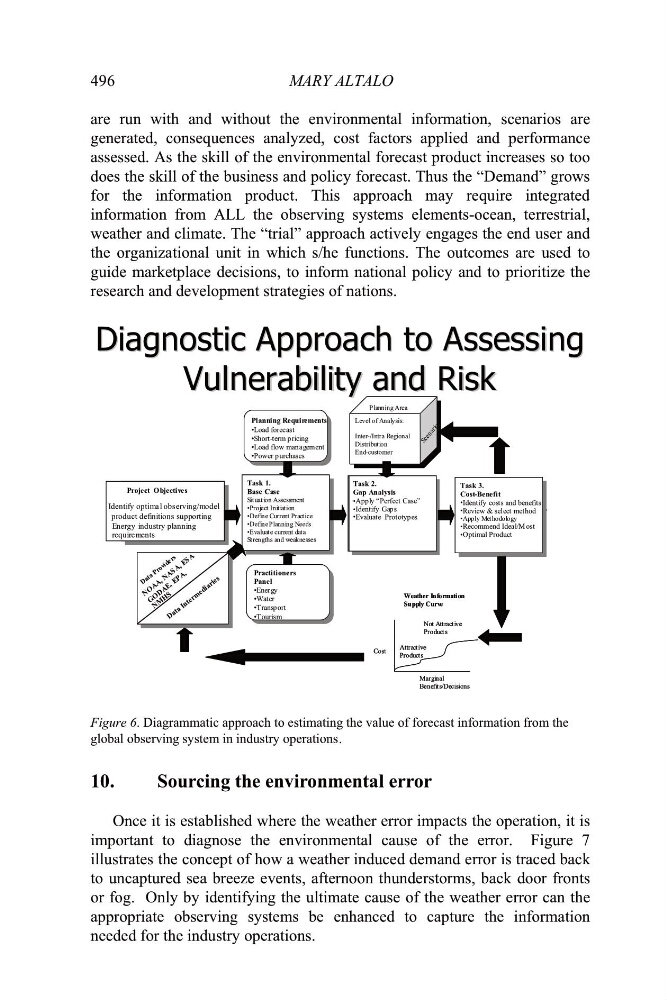
Figure 6. Diagrammatic approach to estimating the value of forecast information from the
global observing system in industry operations
10.
Sourcing the environmental error
Once it is established where the weather error impacts the operation, it is
important to diagnose the environmental cause of the error. Figure 7
illustrates the concept of how a weather induced demand error is traced back
to uncaptured sea breeze events, afternoon thunderstorms, back door fronts
or fog. Only by identifying the ultimate cause of the weather error can the
appropriate observing systems be enhanced to capture the information
needed for the industry operations.
.
MARY ALTALO
are run with and without the environmental information, scenarios are
generated, consequences analyzed, cost factors applied and performance
assessed. As the skill of the environmental forecast product increases so too
does the skill of the business and policy forecast. Thus the “Demand” grows
for the information product. This approach may require integrated
information from ALL the observing systems elements-ocean, terrestrial,
weather and climate. The “trial” approach actively engages the end user and
the organizational unit in which s/he functions. The outcomes are used to
guide marketplace decisions, to inform national policy and to prioritize the
research and development strategies of nations.
Diagnostic Approach to Assessing
Diagnostic Approach to Assessing
Vulnerability and Risk
Vulnerability and Risk
Project Objectives
Identify optimal NOAA
product definitions supporting
Energy industry planning
requirements
Project Objectives
Identify optimal NOAA
product definitions supporting
Energy industry planning
requirements
Task 1.
Base Case
Situat ion Assessment
•Project Init iat ion
•Define Current Pract ice
•Define Planning Needs
•Evaluate current data
Strengths and weaknesses
Task 2.
Gap Analysis
•Apply “Perfect Case”
•Identify Gaps
•Evaluate NOAA Protot ypes
Task 3.
Cost-Benefit
•Identify cost s and benefits
•Review and select methodology
•Apply Methodology
•Recommend Ideal/Most
•Optimal Product
Planning Requirements
•Load forecast
•Short-term pricing
•Load flow management
•Power purchases
Planning Requirements
•Load forecast
•Short-term pricing
•Load flow management
•Power purchases
Cost
Marginal
Benefits/Decisions
Attractive
Products
Not Attractive
Product s
Weather Information
Supply Curve
Practitioners
Panel
•NE ISO
•Con Edison
•PJM
•SUNY
Practitioners
Panel
•NE ISO
•Con Edison
•PJM
•SUNY
D a t a P r o v i d e r s
( N O A A
N W
S , O A R ,
A R L , F S L ,, E P A ,
N C E P , N A S A )
D a t a I n te r m
e d ia
r ie s
Level of Analysis:
Inter-/Intra Regional
Distribution
End-customer
Planning Area
S c e n a r io
Project Objectives
Identify optimal NOAA
product definitions supporting
Energy industry planning
requirements
Project Objectives
Identify optimal observing/model
product definitions supporting
Energy industry planning
requirements
Task 1.
Base Case
Situat ion Assessment
•Project Init iat ion
•Define Current Pract ice
•Define Planning Needs
•Evaluate current data
Strengths and weaknesses
Task 1.
Base Case
Situat ion Assessment
•Project Init iat ion
•Define Current Pract ice
•Define Planning Needs
•Evaluate current data
Strengths and weaknesses
Task 2.
Gap Analysis
•Apply “Perfect Case”
•Identify Gaps
•Evaluate NOAA Protot ypes
Task 2.
Gap Analysis
•Apply “Perfect Case”
•Identify Gaps
•Evaluate Prototypes
Task 3.
Cost-Benefit
•Identify cost s and benefits
•Review and select methodology
•Apply Methodology
•Recommend Ideal/Most
•Optimal Product
Task 3.
Cost-Benefit
•Identify costs and benefits
•Review & select method
•Apply Methodology
•Recommend Ideal/M ost
•Optimal Product
Planning Requirements
•Load forecast
•Short-term pricing
•Load flow management
•Power purchases
Planning Requirements
•Load forecast
•Short-term pricing
•Load flow management
•Power purchases
Cost
Marginal
Benefits/Decisions
Attractive
Products
Not Attractive
Product s
Weather Information
Supply Curve
Practitioners
Panel
•NE ISO
•Con Edison
•PJM
•SUNY
Practitioners
Panel
•Energy
•Water
•Transport
•Tourism
D a t a P r o v i d e r s
N O
A A , N A S A , E S A
G O
D A E , E P A ,
N M
H S
D a t a I n t e r m
e d i a r ie s
Level of Analysis:
Inter-/Intra Regional
Distribution
End-customer
Planning Area
S c e n a r io
Level of Analysis:
Inter-/Intra Regional
Distribution
End-customer
Planning Area
S c e n a r io
Figure 6. Diagrammatic approach to estimating the value of forecast information from the
global observing system in industry operations
10.
Sourcing the environmental error
Once it is established where the weather error impacts the operation, it is
important to diagnose the environmental cause of the error. Figure 7
illustrates the concept of how a weather induced demand error is traced back
to uncaptured sea breeze events, afternoon thunderstorms, back door fronts
or fog. Only by identifying the ultimate cause of the weather error can the
appropriate observing systems be enhanced to capture the information
needed for the industry operations.
.