

(0.06–2.0 mm), but may range through gravel (2–60 mm),
cobbles (60–200 mm), and boulders (over 200 mm).
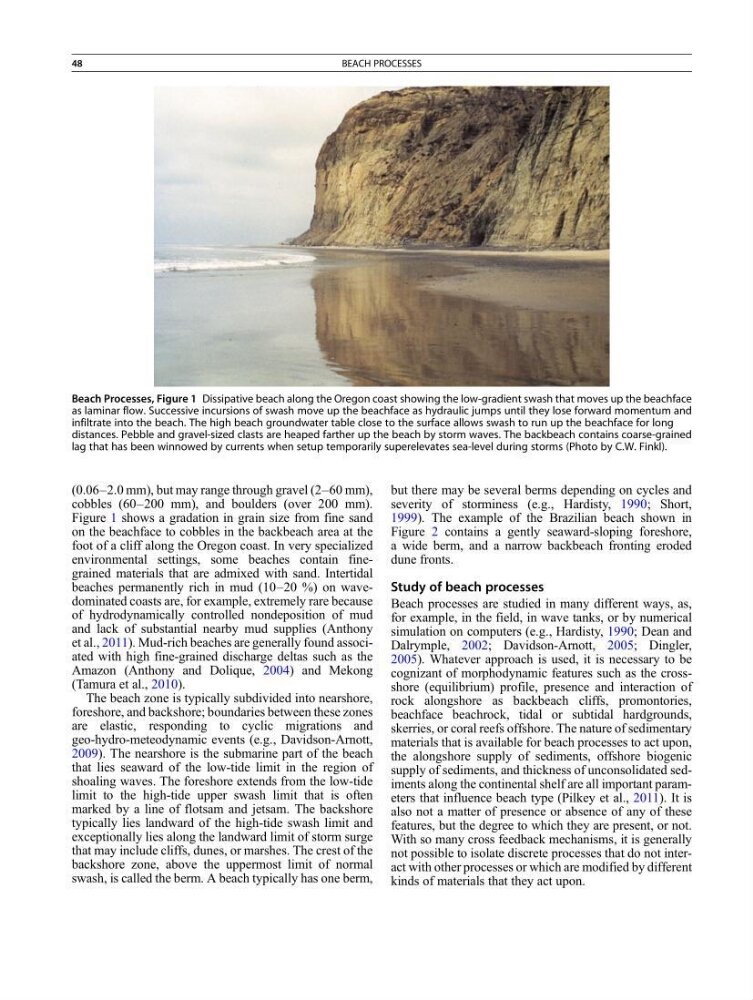
Figure 1 shows a gradation in grain size from fine sand
on the beachface to cobbles in the backbeach area at the
foot of a cliff along the Oregon coast. In very specialized
environmental settings, some beaches contain finegrained materials that are admixed with sand. Intertidal
beaches permanently rich in mud (10–20 %) on wavedominated coasts are, for example, extremely rare because
of hydrodynamically controlled nondeposition of mud
and lack of substantial nearby mud supplies (Anthony
et al., 2011). Mud-rich beaches are generally found associated with high fine-grained discharge deltas such as the
Amazon (Anthony and Dolique, 2004) and Mekong
(Tamura et al., 2010).
The beach zone is typically subdivided into nearshore,
foreshore, and backshore; boundaries between these zones
are elastic, responding to cyclic migrations and
geo-hydro-meteodynamic events (e.g., Davidson-Arnott,
2009). The nearshore is the submarine part of the beach
that lies seaward of the low-tide limit in the region of
shoaling waves. The foreshore extends from the low-tide
limit to the high-tide upper swash limit that is often
marked by a line of flotsam and jetsam. The backshore
typically lies landward of the high-tide swash limit and
exceptionally lies along the landward limit of storm surge
that may include cliffs, dunes, or marshes. The crest of the
backshore zone, above the uppermost limit of normal
swash, is called the berm. A beach typically has one berm,
but there may be several berms depending on cycles and
severity of storminess (e.g., Hardisty, 1990; Short,
1999). The example of the Brazilian beach shown in
Figure 2 contains a gently seaward-sloping foreshore,
a wide berm, and a narrow backbeach fronting eroded
dune fronts.
Study of beach processes
Beach processes are studied in many different ways, as,
for example, in the field, in wave tanks, or by numerical
simulation on computers (e.g., Hardisty, 1990; Dean and
Dalrymple, 2002; Davidson-Arnott, 2005; Dingler,
2005). Whatever approach is used, it is necessary to be
cognizant of morphodynamic features such as the crossshore (equilibrium) profile, presence and interaction of
rock alongshore as backbeach cliffs, promontories,
beachface beachrock, tidal or subtidal hardgrounds,
skerries, or coral reefs offshore. The nature of sedimentary
materials that is available for beach processes to act upon,
the alongshore supply of sediments, offshore biogenic
supply of sediments, and thickness of unconsolidated sediments along the continental shelf are all important parameters that influence beach type (Pilkey et al., 2011). It is
also not a matter of presence or absence of any of these
features, but the degree to which they are present, or not.
With so many cross feedback mechanisms, it is generally
not possible to isolate discrete processes that do not interact with other processes or which are modified by different
kinds of materials that they act upon.
Beach Processes, Figure 1 Dissipative beach along the Oregon coast showing the low-gradient swash that moves up the beachface
as laminar flow. Successive incursions of swash move up the beachface as hydraulic jumps until they lose forward momentum and
infiltrate into the beach. The high beach groundwater table close to the surface allows swash to run up the beachface for long
distances. Pebble and gravel-sized clasts are heaped farther up the beach by storm waves. The backbeach contains coarse-grained
lag that has been winnowed by currents when setup temporarily superelevates sea-level during storms (Photo by C.W. Finkl).
48
BEACH PROCESSES
cobbles (60–200 mm), and boulders (over 200 mm).
Figure 1 shows a gradation in grain size from fine sand
on the beachface to cobbles in the backbeach area at the
foot of a cliff along the Oregon coast. In very specialized
environmental settings, some beaches contain finegrained materials that are admixed with sand. Intertidal
beaches permanently rich in mud (10–20 %) on wavedominated coasts are, for example, extremely rare because
of hydrodynamically controlled nondeposition of mud
and lack of substantial nearby mud supplies (Anthony
et al., 2011). Mud-rich beaches are generally found associated with high fine-grained discharge deltas such as the
Amazon (Anthony and Dolique, 2004) and Mekong
(Tamura et al., 2010).
The beach zone is typically subdivided into nearshore,
foreshore, and backshore; boundaries between these zones
are elastic, responding to cyclic migrations and
geo-hydro-meteodynamic events (e.g., Davidson-Arnott,
2009). The nearshore is the submarine part of the beach
that lies seaward of the low-tide limit in the region of
shoaling waves. The foreshore extends from the low-tide
limit to the high-tide upper swash limit that is often
marked by a line of flotsam and jetsam. The backshore
typically lies landward of the high-tide swash limit and
exceptionally lies along the landward limit of storm surge
that may include cliffs, dunes, or marshes. The crest of the
backshore zone, above the uppermost limit of normal
swash, is called the berm. A beach typically has one berm,
but there may be several berms depending on cycles and
severity of storminess (e.g., Hardisty, 1990; Short,
1999). The example of the Brazilian beach shown in
Figure 2 contains a gently seaward-sloping foreshore,
a wide berm, and a narrow backbeach fronting eroded
dune fronts.
Study of beach processes
Beach processes are studied in many different ways, as,
for example, in the field, in wave tanks, or by numerical
simulation on computers (e.g., Hardisty, 1990; Dean and
Dalrymple, 2002; Davidson-Arnott, 2005; Dingler,
2005). Whatever approach is used, it is necessary to be
cognizant of morphodynamic features such as the crossshore (equilibrium) profile, presence and interaction of
rock alongshore as backbeach cliffs, promontories,
beachface beachrock, tidal or subtidal hardgrounds,
skerries, or coral reefs offshore. The nature of sedimentary
materials that is available for beach processes to act upon,
the alongshore supply of sediments, offshore biogenic
supply of sediments, and thickness of unconsolidated sediments along the continental shelf are all important parameters that influence beach type (Pilkey et al., 2011). It is
also not a matter of presence or absence of any of these
features, but the degree to which they are present, or not.
With so many cross feedback mechanisms, it is generally
not possible to isolate discrete processes that do not interact with other processes or which are modified by different
kinds of materials that they act upon.
Beach Processes, Figure 1 Dissipative beach along the Oregon coast showing the low-gradient swash that moves up the beachface
as laminar flow. Successive incursions of swash move up the beachface as hydraulic jumps until they lose forward momentum and
infiltrate into the beach. The high beach groundwater table close to the surface allows swash to run up the beachface for long
distances. Pebble and gravel-sized clasts are heaped farther up the beach by storm waves. The backbeach contains coarse-grained
lag that has been winnowed by currents when setup temporarily superelevates sea-level during storms (Photo by C.W. Finkl).
48
BEACH PROCESSES