

Younger Dunes was derived from this vast coastal erosion, while much of its
present morphology is in some way related to human activity.
7.3.1 Current State of the System
Nowadays, the system has changed completely. For centuries, man has put efforts
into stabilizing dunes by planting pine trees and marram grass. From the start of
the nineteenth century this gradually resulted in decreasing dynamics in the dunes.
At the end of the nineteenth century large areas of dunes were still mobile. By the
end of the twentieth century, only a small percentage of the surface was left bare.
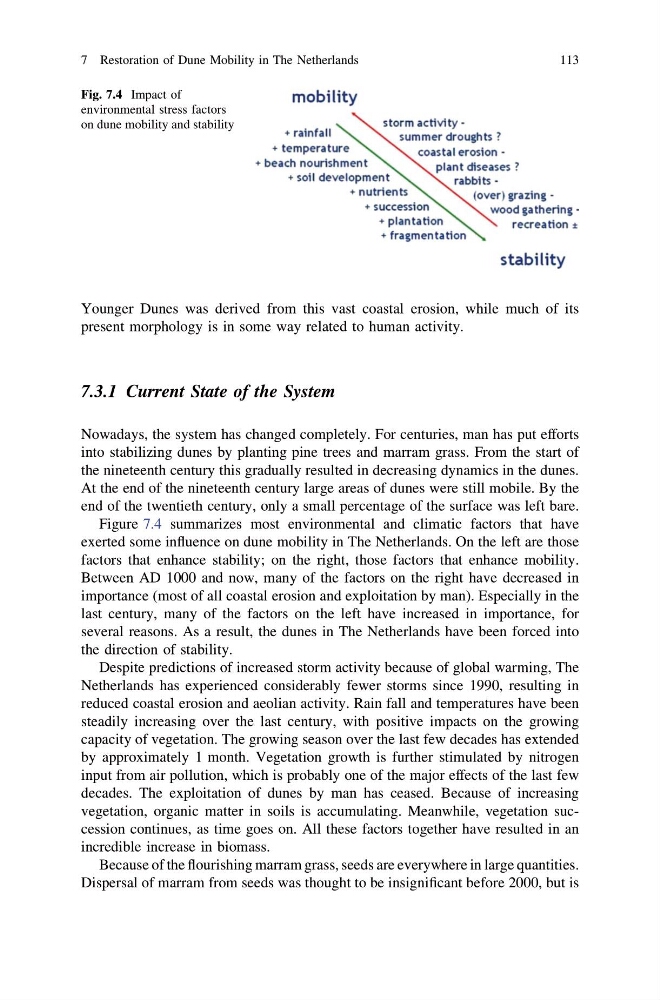
Figure 7.4 summarizes most environmental and climatic factors that have
exerted some influence on dune mobility in The Netherlands. On the left are those
factors that enhance stability; on the right, those factors that enhance mobility.
Between AD 1000 and now, many of the factors on the right have decreased in
importance (most of all coastal erosion and exploitation by man). Especially in the
last century, many of the factors on the left have increased in importance, for
several reasons. As a result, the dunes in The Netherlands have been forced into
the direction of stability.
Despite predictions of increased storm activity because of global warming, The
Netherlands has experienced considerably fewer storms since 1990, resulting in
reduced coastal erosion and aeolian activity. Rain fall and temperatures have been
steadily increasing over the last century, with positive impacts on the growing
capacity of vegetation. The growing season over the last few decades has extended
by approximately 1 month. Vegetation growth is further stimulated by nitrogen
input from air pollution, which is probably one of the major effects of the last few
decades. The exploitation of dunes by man has ceased. Because of increasing
vegetation, organic matter in soils is accumulating. Meanwhile, vegetation succession continues, as time goes on. All these factors together have resulted in an
incredible increase in biomass.
Because of the flourishing marram grass, seeds are everywhere in large quantities.
Dispersal of marram from seeds was thought to be insignificant before 2000, but is
Fig. 7.4 Impact of
environmental stress factors
on dune mobility and stability
7 Restoration of Dune Mobility in The Netherlands
113
present morphology is in some way related to human activity.
7.3.1 Current State of the System
Nowadays, the system has changed completely. For centuries, man has put efforts
into stabilizing dunes by planting pine trees and marram grass. From the start of
the nineteenth century this gradually resulted in decreasing dynamics in the dunes.
At the end of the nineteenth century large areas of dunes were still mobile. By the
end of the twentieth century, only a small percentage of the surface was left bare.
Figure 7.4 summarizes most environmental and climatic factors that have
exerted some influence on dune mobility in The Netherlands. On the left are those
factors that enhance stability; on the right, those factors that enhance mobility.
Between AD 1000 and now, many of the factors on the right have decreased in
importance (most of all coastal erosion and exploitation by man). Especially in the
last century, many of the factors on the left have increased in importance, for
several reasons. As a result, the dunes in The Netherlands have been forced into
the direction of stability.
Despite predictions of increased storm activity because of global warming, The
Netherlands has experienced considerably fewer storms since 1990, resulting in
reduced coastal erosion and aeolian activity. Rain fall and temperatures have been
steadily increasing over the last century, with positive impacts on the growing
capacity of vegetation. The growing season over the last few decades has extended
by approximately 1 month. Vegetation growth is further stimulated by nitrogen
input from air pollution, which is probably one of the major effects of the last few
decades. The exploitation of dunes by man has ceased. Because of increasing
vegetation, organic matter in soils is accumulating. Meanwhile, vegetation succession continues, as time goes on. All these factors together have resulted in an
incredible increase in biomass.
Because of the flourishing marram grass, seeds are everywhere in large quantities.
Dispersal of marram from seeds was thought to be insignificant before 2000, but is
Fig. 7.4 Impact of
environmental stress factors
on dune mobility and stability
7 Restoration of Dune Mobility in The Netherlands
113