

Port and Harbor Design 31.2 Structure Types 699
Part C | 31.2
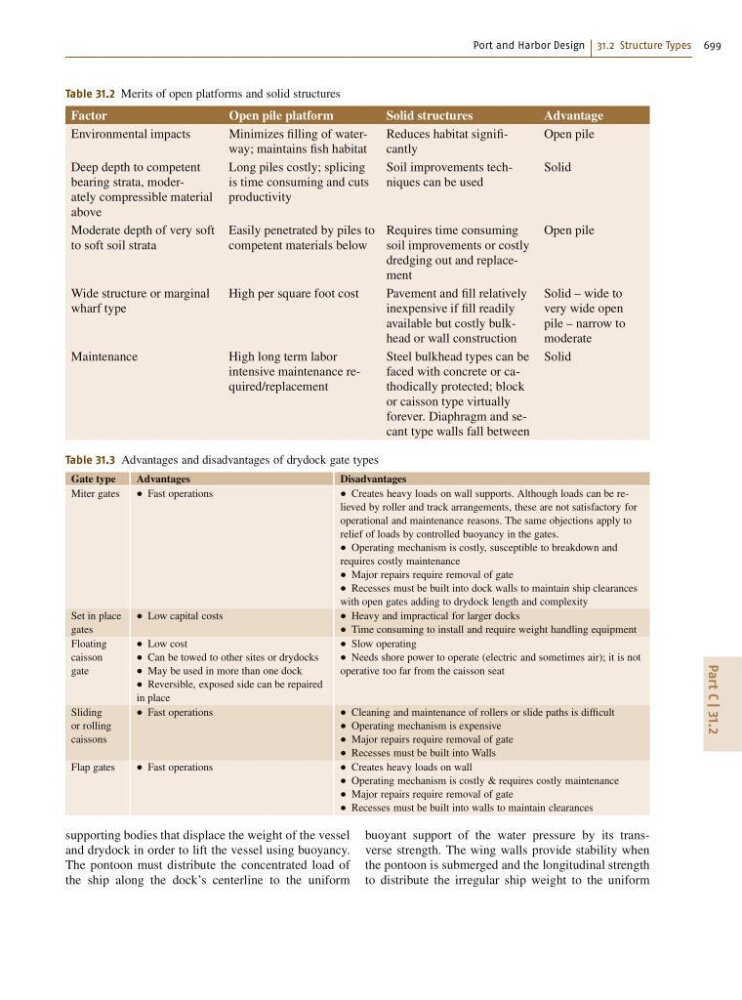
Table 31.2 Merits of open platforms and solid structures
Factor
Open pile platform
Solid structures
Advantage
Environmental impacts
Minimizes filling of waterway; maintains fish habitat
Reduces habitat significantly
Open pile
Deep depth to competent
bearing strata, moderately compressible material
above
Long piles costly; splicing
is time consuming and cuts
productivity
Soil improvements techniques can be used
Solid
Moderate depth of very soft
to soft soil strata
Easily penetrated by piles to
competent materials below
Requires time consuming
soil improvements or costly
dredging out and replacement
Open pile
Wide structure or marginal
wharf type
High per square foot cost
Pavement and fill relatively
inexpensive if fill readily
available but costly bulkhead or wall construction
Solid – wide to
very wide open
pile – narrow to
moderate
Maintenance
High long term labor
intensive maintenance required/replacement
Steel bulkhead types can be
faced with concrete or cathodically protected; block
or caisson type virtually
forever. Diaphragm and secant type walls fall between
Solid
Table 31.3 Advantages and disadvantages of drydock gate types
Gate type
Advantages
Disadvantages
Miter gates
Fast operations
Creates heavy loads on wall supports. Although loads can be relieved by roller and track arrangements, these are not satisfactory for
operational and maintenance reasons. The same objections apply to
relief of loads by controlled buoyancy in the gates.
Operating mechanism is costly, susceptible to breakdown and
requires costly maintenance
Major repairs require removal of gate
Recesses must be built into dock walls to maintain ship clearances
with open gates adding to drydock length and complexity
Set in place
gates
Low capital costs
Heavy and impractical for larger docks
Time consuming to install and require weight handling equipment
Floating
caisson
gate
Low cost
Can be towed to other sites or drydocks
May be used in more than one dock
Reversible, exposed side can be repaired
in place
Slow operating
Needs shore power to operate (electric and sometimes air); it is not
operative too far from the caisson seat
Sliding
or rolling
caissons
Fast operations
Cleaning and maintenance of rollers or slide paths is difficult
Operating mechanism is expensive
Major repairs require removal of gate
Recesses must be built into Walls
Flap gates
Fast operations
Creates heavy loads on wall
Operating mechanism is costly & requires costly maintenance
Major repairs require removal of gate
Recesses must be built into walls to maintain clearances
supporting bodies that displace the weight of the vessel
and drydock in order to lift the vessel using buoyancy.
The pontoon must distribute the concentrated load of
the ship along the dock’s centerline to the uniform
buoyant support of the water pressure by its transverse strength. The wing walls provide stability when
the pontoon is submerged and the longitudinal strength
to distribute the irregular ship weight to the uniform