

Part C | 31.1
688 Part C Coastal Design
and dumpers. The upland facilities typically consist of
storage facilities, such as stockyards, storage silos, or
stockpiles. The operational conditions tolerable at these
facilities are dependent upon the type of material handling equipment used, as some operations can allow
vessel movement, while others require a very stable environment. Bulk materials are distributed via trucks or
rail to their ultimate destination.
Military Terminals
These port facilities support military operations and are
typically used to homeport naval vessels. The sizes of
vessels calling on these ports can vary greatly from
small craft to destroyers and submarines to the largest
aircraft carries. As such, the navigation channel must
be adequate to allow for the largest vessels to access the
dock facilities. The design of the harbor must also take
into account security measures. Typically, the wharf facilities are outfitted with lifting equipment to load materials and supplies to and from the vessels and to support
minor repairs. Additionally, the wharf structures are
equipped to supply power, communications, water, and
sewage utilities to the vessels while they are in port.
Special care is required for berthing of submarines and
aircraft carriers typically involving the use of camels to
hold the vessels off the face of the dock, in the case of
aircraft carriers due to the overhanging decks and in the
case of submarines which lay up against the dock below
waterline. Some specialized facilities include doubledeck piers that allow servicing the ship on a lower deck
and loading/unloading operations on an upper deck.
Ship Repair Facilities (Drydocks)
These port facilities are designed to support the building
and repair of vessels of various sizes. Typically, these
facilities have wharf structures that facilitate working
on the vessels in the dry. This can be accomplished in
a variety of ways, including graving docks (dry docks),
floating dry docks, ship lifts, and marine rail facilities.
As these facilities may require ships to remain at berth
during heavy weather conditions, consideration must be
made for heavy weather mooring in their design.
Cruise Ship Terminals
These port facilities provided for the loading and unloading of passengers embarking on pleasure cruises.
As this industry has grown in the recent past, the size
of the vessels in the cruise fleet has continued to grow
and the facility designs have had to accommodate these
changes. The wharf facilities typically are outfitted with
movable gangways to allow for the safe boarding of
passengers as well as security zones for customs and
immigration processing. In some harbors where adequate berthing facilities are not available, offshore
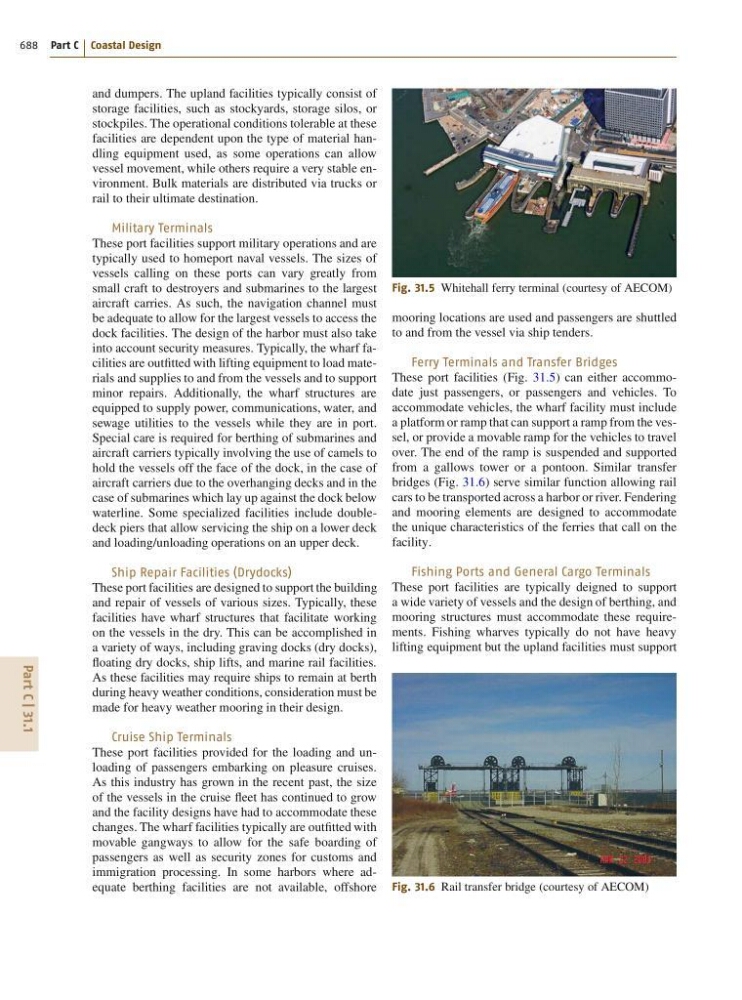
Fig. 31.5 Whitehall ferry terminal (courtesy of AECOM)
mooring locations are used and passengers are shuttled
to and from the vessel via ship tenders.
Ferry Terminals and Transfer Bridges
These port facilities (Fig. 31.5) can either accommodate just passengers, or passengers and vehicles. To
accommodate vehicles, the wharf facility must include
a platform or ramp that can support a ramp from the vessel, or provide a movable ramp for the vehicles to travel
over. The end of the ramp is suspended and supported
from a gallows tower or a pontoon. Similar transfer
bridges (Fig. 31.6) serve similar function allowing rail
cars to be transported across a harbor or river. Fendering
and mooring elements are designed to accommodate
the unique characteristics of the ferries that call on the
facility.
Fishing Ports and General Cargo Terminals
These port facilities are typically deigned to support
a wide variety of vessels and the design of berthing, and
mooring structures must accommodate these requirements. Fishing wharves typically do not have heavy
lifting equipment but the upland facilities must support
Fig. 31.6 Rail transfer bridge (courtesy of AECOM)