

Port and Harbor Design 31.1 Port and Harbor Layout and Design 689
Part C | 31.1
a wide variety of processing and logistics operations.
General cargo wharfs may or may not provide lifting
equipment, and if they do, it is usually mobile harbor
cranes that require heavy live load capacity to handle
the variety of material that the port services. Cargo arrives and is typically transported from these terminals
either by rail or truck.
Small Craft Harbors and Marinas
These port facilities are typically smaller in nature than
the previously described facilities but have their unique
design considerations. These port facilities typically include floating docks that are fixed in place by anchors
or guide piles. For their design, the tidal range, currents,
and wave conditions are critical.
31.1.2 Vessel Overview
When designing for and dealing with ports, it is important to first have an understanding of the vessels that
utilize them. The world shipping fleet contains hundreds of types of ships of many different sizes and
measurements, with many different distinct uses and
functions. Despite the variance in ship type, there are
measurements and size classifications common to all
shipping vessels.
Some of the most common cargo ships today include general cargo, container, tanker, bulk, car carrier,
and cruise ships. Each of these types of ship varies in
the cargo it transports. General cargo vessels have been
plying the seas for thousands of years and can handle
a multitude of goods and products. In order to speed
and facilitate vessel loading and unloading, dedicated
purpose vessel were developed in the 20th century.
a)
b)
d)
e)
c)
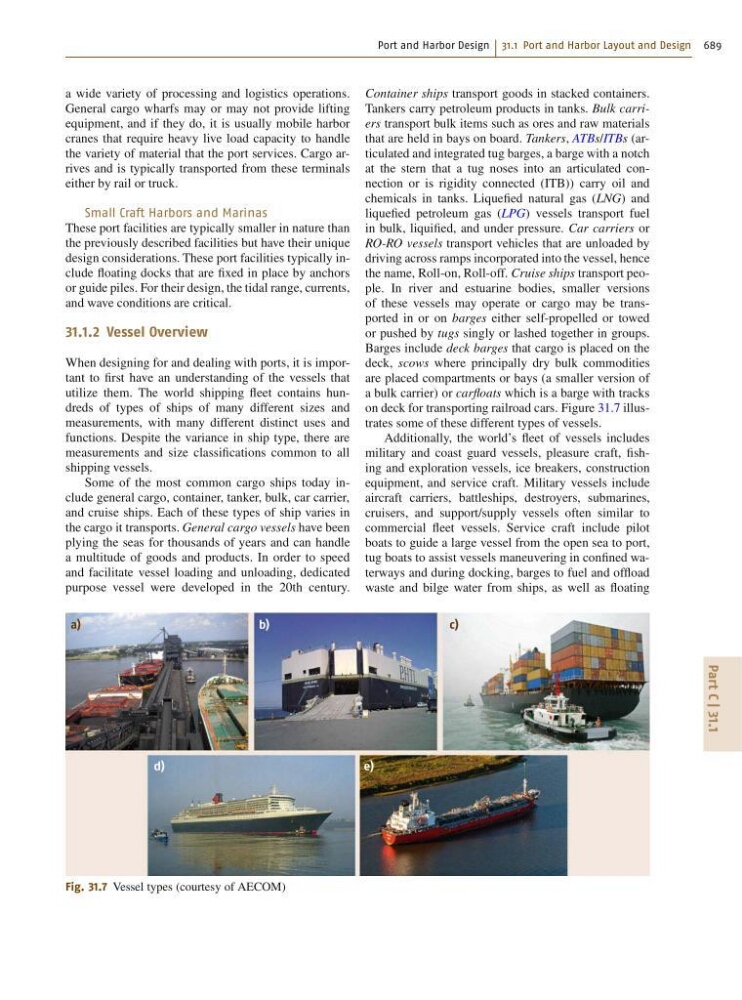
Fig. 31.7 Vessel types (courtesy of AECOM)
Container ships transport goods in stacked containers.
Tankers carry petroleum products in tanks. Bulk carriers transport bulk items such as ores and raw materials
that are held in bays on board. Tankers, ATBs/ITBs (articulated and integrated tug barges, a barge with a notch
at the stern that a tug noses into an articulated connection or is rigidity connected (ITB)) carry oil and
chemicals in tanks. Liquefied natural gas (LNG) and
liquefied petroleum gas (LPG) vessels transport fuel
in bulk, liquified, and under pressure. Car carriers or
RO-RO vessels transport vehicles that are unloaded by
driving across ramps incorporated into the vessel, hence
the name, Roll-on, Roll-off. Cruise ships transport people. In river and estuarine bodies, smaller versions
of these vessels may operate or cargo may be transported in or on barges either self-propelled or towed
or pushed by tugs singly or lashed together in groups.
Barges include deck barges that cargo is placed on the
deck, scows where principally dry bulk commodities
are placed compartments or bays (a smaller version of
a bulk carrier) or carfloats which is a barge with tracks
on deck for transporting railroad cars. Figure 31.7 illustrates some of these different types of vessels.
Additionally, the world’s fleet of vessels includes
military and coast guard vessels, pleasure craft, fishing and exploration vessels, ice breakers, construction
equipment, and service craft. Military vessels include
aircraft carriers, battleships, destroyers, submarines,
cruisers, and support/supply vessels often similar to
commercial fleet vessels. Service craft include pilot
boats to guide a large vessel from the open sea to port,
tug boats to assist vessels maneuvering in confined waterways and during docking, barges to fuel and offload
waste and bilge water from ships, as well as floating