

Port and Harbor Design 31.1 Port and Harbor Layout and Design 687
Part C | 31.1
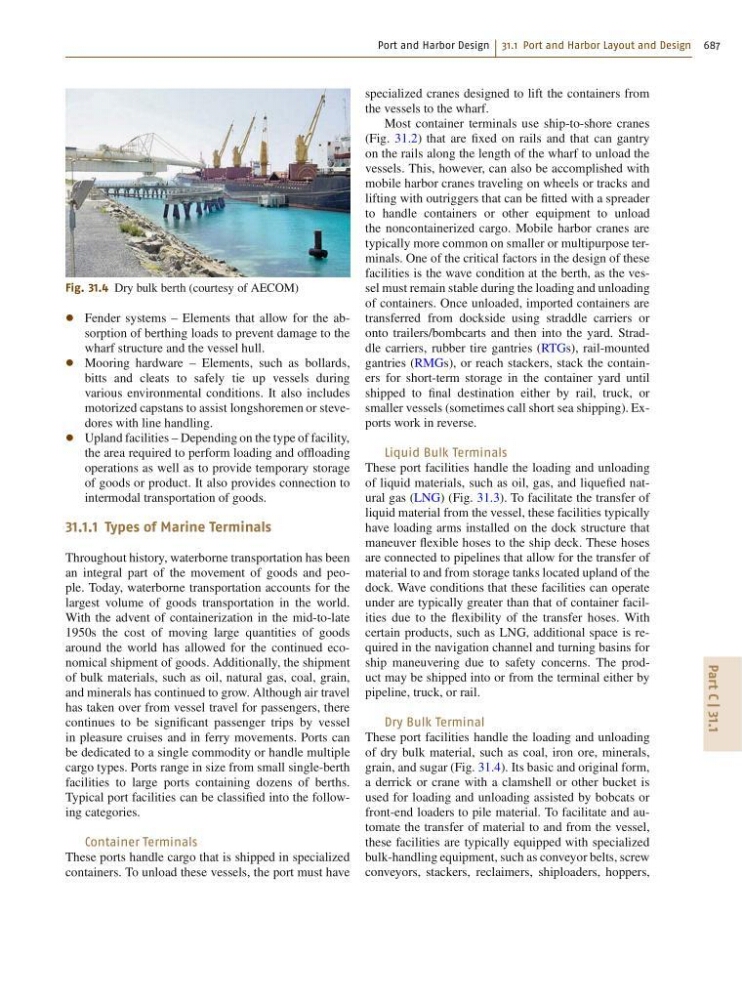
Fig. 31.4 Dry bulk berth (courtesy of AECOM)
Fender systems – Elements that allow for the absorption of berthing loads to prevent damage to the
wharf structure and the vessel hull.
Mooring hardware – Elements, such as bollards,
bitts and cleats to safely tie up vessels during
various environmental conditions. It also includes
motorized capstans to assist longshoremen or stevedores with line handling.
Upland facilities – Depending on the type of facility,
the area required to perform loading and offloading
operations as well as to provide temporary storage
of goods or product. It also provides connection to
intermodal transportation of goods.
31.1.1 Types of Marine Terminals
Throughout history, waterborne transportation has been
an integral part of the movement of goods and people. Today, waterborne transportation accounts for the
largest volume of goods transportation in the world.
With the advent of containerization in the mid-to-late
1950s the cost of moving large quantities of goods
around the world has allowed for the continued economical shipment of goods. Additionally, the shipment
of bulk materials, such as oil, natural gas, coal, grain,
and minerals has continued to grow. Although air travel
has taken over from vessel travel for passengers, there
continues to be significant passenger trips by vessel
in pleasure cruises and in ferry movements. Ports can
be dedicated to a single commodity or handle multiple
cargo types. Ports range in size from small single-berth
facilities to large ports containing dozens of berths.
Typical port facilities can be classified into the following categories.
Container Terminals
These ports handle cargo that is shipped in specialized
containers. To unload these vessels, the port must have
specialized cranes designed to lift the containers from
the vessels to the wharf.
Most container terminals use ship-to-shore cranes
(Fig. 31.2) that are fixed on rails and that can gantry
on the rails along the length of the wharf to unload the
vessels. This, however, can also be accomplished with
mobile harbor cranes traveling on wheels or tracks and
lifting with outriggers that can be fitted with a spreader
to handle containers or other equipment to unload
the noncontainerized cargo. Mobile harbor cranes are
typically more common on smaller or multipurpose terminals. One of the critical factors in the design of these
facilities is the wave condition at the berth, as the vessel must remain stable during the loading and unloading
of containers. Once unloaded, imported containers are
transferred from dockside using straddle carriers or
onto trailers/bombcarts and then into the yard. Straddle carriers, rubber tire gantries (RTGs), rail-mounted
gantries (RMGs), or reach stackers, stack the containers for short-term storage in the container yard until
shipped to final destination either by rail, truck, or
smaller vessels (sometimes call short sea shipping). Exports work in reverse.
Liquid Bulk Terminals
These port facilities handle the loading and unloading
of liquid materials, such as oil, gas, and liquefied natural gas (LNG) (Fig. 31.3). To facilitate the transfer of
liquid material from the vessel, these facilities typically
have loading arms installed on the dock structure that
maneuver flexible hoses to the ship deck. These hoses
are connected to pipelines that allow for the transfer of
material to and from storage tanks located upland of the
dock. Wave conditions that these facilities can operate
under are typically greater than that of container facilities due to the flexibility of the transfer hoses. With
certain products, such as LNG, additional space is required in the navigation channel and turning basins for
ship maneuvering due to safety concerns. The product may be shipped into or from the terminal either by
pipeline, truck, or rail.
Dry Bulk Terminal
These port facilities handle the loading and unloading
of dry bulk material, such as coal, iron ore, minerals,
grain, and sugar (Fig. 31.4). Its basic and original form,
a derrick or crane with a clamshell or other bucket is
used for loading and unloading assisted by bobcats or
front-end loaders to pile material. To facilitate and automate the transfer of material to and from the vessel,
these facilities are typically equipped with specialized
bulk-handling equipment, such as conveyor belts, screw
conveyors, stackers, reclaimers, shiploaders, hoppers,