

Part A | 7.1
152 Part A Fundamentals
Lift fan
Rigid side hull
Plenum
Chamber
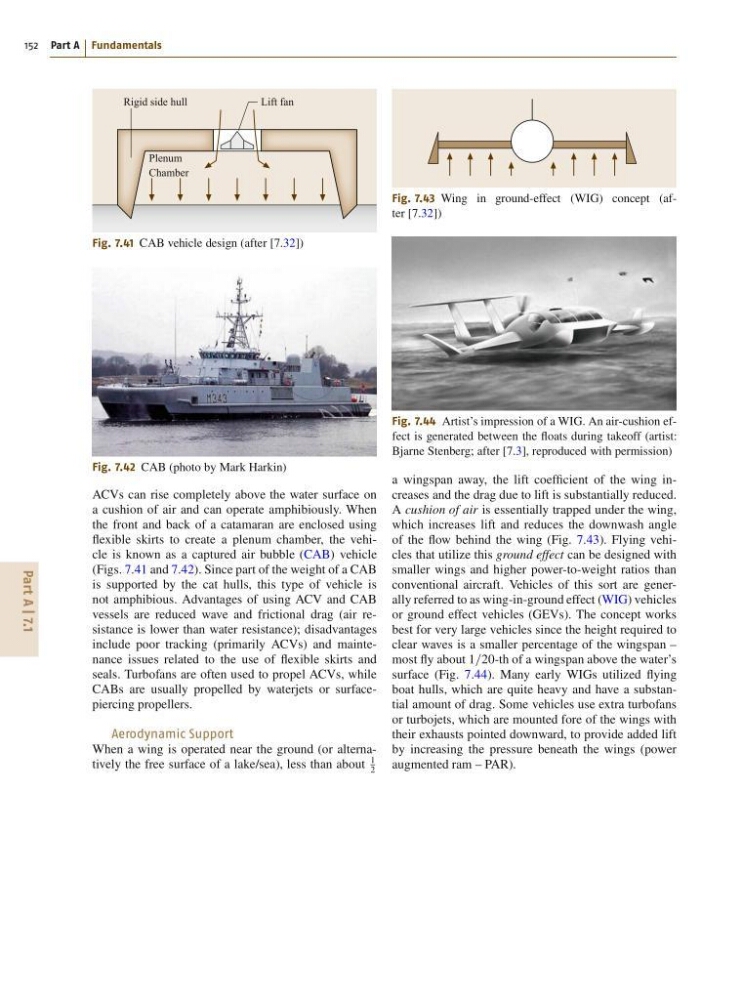
Fig. 7.41 CAB vehicle design (after [7.32])
Fig. 7.42 CAB (photo by Mark Harkin)
ACVs can rise completely above the water surface on
a cushion of air and can operate amphibiously. When
the front and back of a catamaran are enclosed using
flexible skirts to create a plenum chamber, the vehicle is known as a captured air bubble (CAB) vehicle
(Figs. 7.41 and 7.42). Since part of the weight of a CAB
is supported by the cat hulls, this type of vehicle is
not amphibious. Advantages of using ACV and CAB
vessels are reduced wave and frictional drag (air resistance is lower than water resistance); disadvantages
include poor tracking (primarily ACVs) and maintenance issues related to the use of flexible skirts and
seals. Turbofans are often used to propel ACVs, while
CABs are usually propelled by waterjets or surfacepiercing propellers.
Aerodynamic Support
When a wing is operated near the ground (or alternatively the free surface of a lake/sea), less than about
1
2
Fig. 7.43 Wing in ground-effect (WIG) concept (after [7.32])
Fig. 7.44 Artist’s impression of a WIG. An air-cushion effect is generated between the floats during takeoff (artist:
Bjarne Stenberg; after [7.3], reproduced with permission)
a wingspan away, the lift coefficient of the wing increases and the drag due to lift is substantially reduced.
A cushion of air is essentially trapped under the wing,
which increases lift and reduces the downwash angle
of the flow behind the wing (Fig. 7.43). Flying vehicles that utilize this ground effect can be designed with
smaller wings and higher power-to-weight ratios than
conventional aircraft. Vehicles of this sort are generally referred to as wing-in-ground effect (WIG) vehicles
or ground effect vehicles (GEVs). The concept works
best for very large vehicles since the height required to
clear waves is a smaller percentage of the wingspan –
most fly about 1=20-th of a wingspan above the water’s
surface (Fig. 7.44). Many early WIGs utilized flying
boat hulls, which are quite heavy and have a substantial amount of drag. Some vehicles use extra turbofans
or turbojets, which are mounted fore of the wings with
their exhausts pointed downward, to provide added lift
by increasing the pressure beneath the wings (power
augmented ram – PAR).
152 Part A Fundamentals
Lift fan
Rigid side hull
Plenum
Chamber
Fig. 7.41 CAB vehicle design (after [7.32])
Fig. 7.42 CAB (photo by Mark Harkin)
ACVs can rise completely above the water surface on
a cushion of air and can operate amphibiously. When
the front and back of a catamaran are enclosed using
flexible skirts to create a plenum chamber, the vehicle is known as a captured air bubble (CAB) vehicle
(Figs. 7.41 and 7.42). Since part of the weight of a CAB
is supported by the cat hulls, this type of vehicle is
not amphibious. Advantages of using ACV and CAB
vessels are reduced wave and frictional drag (air resistance is lower than water resistance); disadvantages
include poor tracking (primarily ACVs) and maintenance issues related to the use of flexible skirts and
seals. Turbofans are often used to propel ACVs, while
CABs are usually propelled by waterjets or surfacepiercing propellers.
Aerodynamic Support
When a wing is operated near the ground (or alternatively the free surface of a lake/sea), less than about
1
2
Fig. 7.43 Wing in ground-effect (WIG) concept (after [7.32])
Fig. 7.44 Artist’s impression of a WIG. An air-cushion effect is generated between the floats during takeoff (artist:
Bjarne Stenberg; after [7.3], reproduced with permission)
a wingspan away, the lift coefficient of the wing increases and the drag due to lift is substantially reduced.
A cushion of air is essentially trapped under the wing,
which increases lift and reduces the downwash angle
of the flow behind the wing (Fig. 7.43). Flying vehicles that utilize this ground effect can be designed with
smaller wings and higher power-to-weight ratios than
conventional aircraft. Vehicles of this sort are generally referred to as wing-in-ground effect (WIG) vehicles
or ground effect vehicles (GEVs). The concept works
best for very large vehicles since the height required to
clear waves is a smaller percentage of the wingspan –
most fly about 1=20-th of a wingspan above the water’s
surface (Fig. 7.44). Many early WIGs utilized flying
boat hulls, which are quite heavy and have a substantial amount of drag. Some vehicles use extra turbofans
or turbojets, which are mounted fore of the wings with
their exhausts pointed downward, to provide added lift
by increasing the pressure beneath the wings (power
augmented ram – PAR).