

Part A | 7.1
148 Part A Fundamentals
Bow wave system
Stern wave system
Froude number: Fr =
a) λ = L WL /2 ; Fr = 0.28
c) λ = L WL ; Fr = 0.40
d) λ = larger than L WL ; Fr > 0.40
b) λ = 2L WL /3 ; Fr = 0.33
V
√
——–
g ·L WL
Fig. 7.26 Interference between bow and stern waves (after [7.11])
f1; 2; 3; : : :g, constructive interference occurs; when
there are an odd number of
1
2
wavelengths L WL == D
f0:5; 1:5; 2:5; 3:5; : : :g, the wave system behind the ship
is attenuated. From (7.45)
U D
r
g
2
D
r
gL WL
2
s
L WL
;
solving for the Froude number gives
Fr D
U
p
gL WL
D
s
2L WL
:
Thus, we can see that when Fr D 0:28 and 0:4, the
waves behind the ship are amplified and for Fr D 0:33,
the waves are attenuated. The corresponding effects on
hull resistance are manifested as humps and hollows in
the wave-resistance curve (Fig. 7.27).
When D L WL , Fr D 0:4 1=
p
2 there are wave
crests (high pressure) at both the bow and stern of
the ship and a trough (low pressure) amidships. This
condition corresponds to the hull speed of the vessel
and, as explained in more detail below, gives U hull D
0:4
p
gL WL as the speed limit above which it is usually
impractical to run a displacement hull vessel. When the
Froude number is much higher than this, there is only
a wave crest at the bow (with high pressure) and the ship
is constantly climbing a hill of water. Ships that travel
at Fr > 0:4 are generally considered high speed.
0
0.1
0.2
0.3
0.4
0.5
0.6
Wave resistance
Humps
Hollows
Froude number
Fig. 7.27 Humps and hollows on the wave-resistance curve
(after [7.11])
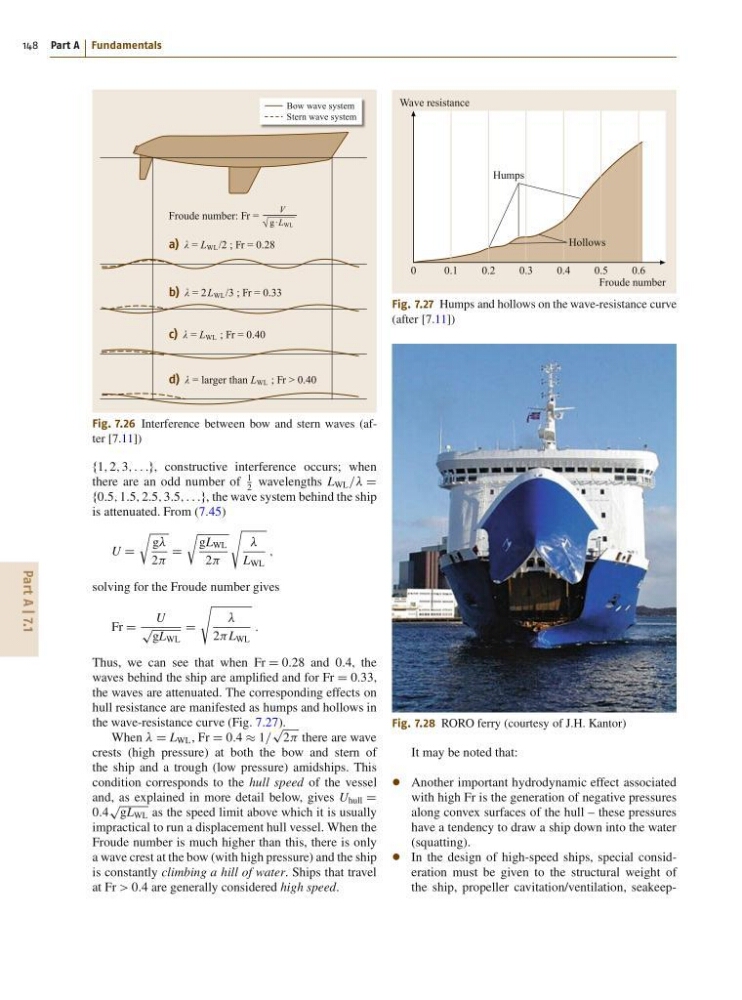
Fig. 7.28 RORO ferry (courtesy of J.H. Kantor)
It may be noted that:
Another important hydrodynamic effect associated
with high Fr is the generation of negative pressures
along convex surfaces of the hull – these pressures
have a tendency to draw a ship down into the water
(squatting).
In the design of high-speed ships, special consideration must be given to the structural weight of
the ship, propeller cavitation/ventilation, seakeep-
148 Part A Fundamentals
Bow wave system
Stern wave system
Froude number: Fr =
a) λ = L WL /2 ; Fr = 0.28
c) λ = L WL ; Fr = 0.40
d) λ = larger than L WL ; Fr > 0.40
b) λ = 2L WL /3 ; Fr = 0.33
V
√
——–
g ·L WL
Fig. 7.26 Interference between bow and stern waves (after [7.11])
f1; 2; 3; : : :g, constructive interference occurs; when
there are an odd number of
1
2
wavelengths L WL == D
f0:5; 1:5; 2:5; 3:5; : : :g, the wave system behind the ship
is attenuated. From (7.45)
U D
r
g
2
D
r
gL WL
2
s
L WL
;
solving for the Froude number gives
Fr D
U
p
gL WL
D
s
2L WL
:
Thus, we can see that when Fr D 0:28 and 0:4, the
waves behind the ship are amplified and for Fr D 0:33,
the waves are attenuated. The corresponding effects on
hull resistance are manifested as humps and hollows in
the wave-resistance curve (Fig. 7.27).
When D L WL , Fr D 0:4 1=
p
2 there are wave
crests (high pressure) at both the bow and stern of
the ship and a trough (low pressure) amidships. This
condition corresponds to the hull speed of the vessel
and, as explained in more detail below, gives U hull D
0:4
p
gL WL as the speed limit above which it is usually
impractical to run a displacement hull vessel. When the
Froude number is much higher than this, there is only
a wave crest at the bow (with high pressure) and the ship
is constantly climbing a hill of water. Ships that travel
at Fr > 0:4 are generally considered high speed.
0
0.1
0.2
0.3
0.4
0.5
0.6
Wave resistance
Humps
Hollows
Froude number
Fig. 7.27 Humps and hollows on the wave-resistance curve
(after [7.11])
Fig. 7.28 RORO ferry (courtesy of J.H. Kantor)
It may be noted that:
Another important hydrodynamic effect associated
with high Fr is the generation of negative pressures
along convex surfaces of the hull – these pressures
have a tendency to draw a ship down into the water
(squatting).
In the design of high-speed ships, special consideration must be given to the structural weight of
the ship, propeller cavitation/ventilation, seakeep-