

loss from the surface and extremely dry waste
products.
The world’s hot deserts have been productive.
Wherever irrigation is possible, the yields of
crops have been high. The crops include longstaple cotton, fruits (dates, oranges, lemons,
grapefruit, limes), vegetables, grains, and alfalfa.
However, such irrigation projects suffer from
two undesirable side effects—salinization and
waterlogging of the soil. If irrigation water is
evaporated in the soil it leaves salts behind.
When these are sodium salts, and they accumulate too rapidly, they form an impervious alkali.
When drainage is not adequate to flush out the
excess sodium salts, this alkali may render desert
soil completely sterile.
Like the Arctic tundra, the processes of soil
development and plant succession are highly vulnerable to change from human activities. A single
passage of an army tank over desert soil can dramatically alter water infiltration, soil moisture, and
heat distribution, and consequently biological productivity. For example, in the Mojave Desert,
lichen crust on sandy soil destroyed in tracks left
by tank traffic in World War II-vintage maneuvers
has not recovered in 60 years.
7.4
330 Temperate Steppe
Division
Temperate steppes are areas that have a semiarid
continental climatic regime in which, despite maximum summer rainfall, evaporation usually
exceeds precipitation. There is too little water to
support a forest and too much to create a desert.
Instead these regions are dominated by grasslands,
which are called shortgrass prairie in the central
United States (Columbia Plateau, Great Plains),
steppe in Eurasia, pampas in South America, and
veldt in Africa. With more moisture, the vegetation
changes to savannas, which are grasslands with
enough moisture to support sparse tree growth.
Trewartha (1968) classified the climate as
BSk. The letter k signifies a cool climate with at
least 1 month of average temperature below 0
C.
Winters are cold and dry; summers—warm to hot
(see Fig. 7.1, climate diagram for Achtuba
[Volograd], Russia). Drought periods are common in this climate. With the droughts come the
dust storms that blow the fertile topsoil from vast
areas of plowed land being used for dry farming
(Fig. 7.12).
These regions are subject to periodic climatic
shifts. Thus, the drought typical of arid zones
may extend well outside the normal desert
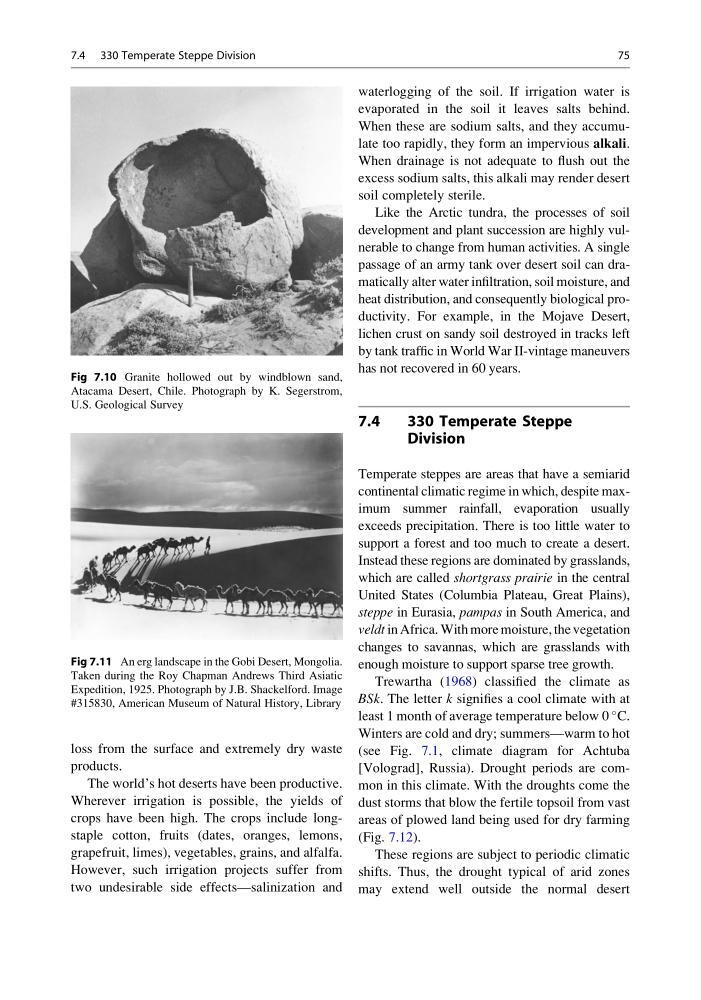
Fig 7.11 An erg landscape in the Gobi Desert, Mongolia.
Taken during the Roy Chapman Andrews Third Asiatic
Expedition, 1925. Photograph by J.B. Shackelford. Image
#315830, American Museum of Natural History, Library
Fig 7.10 Granite hollowed out by windblown sand,
Atacama Desert, Chile. Photograph by K. Segerstrom,
U.S. Geological Survey
7.4 330 Temperate Steppe Division
75
products.
The world’s hot deserts have been productive.
Wherever irrigation is possible, the yields of
crops have been high. The crops include longstaple cotton, fruits (dates, oranges, lemons,
grapefruit, limes), vegetables, grains, and alfalfa.
However, such irrigation projects suffer from
two undesirable side effects—salinization and
waterlogging of the soil. If irrigation water is
evaporated in the soil it leaves salts behind.
When these are sodium salts, and they accumulate too rapidly, they form an impervious alkali.
When drainage is not adequate to flush out the
excess sodium salts, this alkali may render desert
soil completely sterile.
Like the Arctic tundra, the processes of soil
development and plant succession are highly vulnerable to change from human activities. A single
passage of an army tank over desert soil can dramatically alter water infiltration, soil moisture, and
heat distribution, and consequently biological productivity. For example, in the Mojave Desert,
lichen crust on sandy soil destroyed in tracks left
by tank traffic in World War II-vintage maneuvers
has not recovered in 60 years.
7.4
330 Temperate Steppe
Division
Temperate steppes are areas that have a semiarid
continental climatic regime in which, despite maximum summer rainfall, evaporation usually
exceeds precipitation. There is too little water to
support a forest and too much to create a desert.
Instead these regions are dominated by grasslands,
which are called shortgrass prairie in the central
United States (Columbia Plateau, Great Plains),
steppe in Eurasia, pampas in South America, and
veldt in Africa. With more moisture, the vegetation
changes to savannas, which are grasslands with
enough moisture to support sparse tree growth.
Trewartha (1968) classified the climate as
BSk. The letter k signifies a cool climate with at
least 1 month of average temperature below 0
C.
Winters are cold and dry; summers—warm to hot
(see Fig. 7.1, climate diagram for Achtuba
[Volograd], Russia). Drought periods are common in this climate. With the droughts come the
dust storms that blow the fertile topsoil from vast
areas of plowed land being used for dry farming
(Fig. 7.12).
These regions are subject to periodic climatic
shifts. Thus, the drought typical of arid zones
may extend well outside the normal desert
Fig 7.11 An erg landscape in the Gobi Desert, Mongolia.
Taken during the Roy Chapman Andrews Third Asiatic
Expedition, 1925. Photograph by J.B. Shackelford. Image
#315830, American Museum of Natural History, Library
Fig 7.10 Granite hollowed out by windblown sand,
Atacama Desert, Chile. Photograph by K. Segerstrom,
U.S. Geological Survey
7.4 330 Temperate Steppe Division
75