

Succulents resist drought by storing water inside
their roots and stems, and protect themselves
from evaporation by having a thick, waxy layer
and no leaves. Their extensive surface rootsystem quickly absorbs water before it sinks into
porous soil. Some desert plants, such as the creosote bush, can survive without water, while others
evade drought by growing close to a constant
source of water, such as an oasis. Other plants,
such as mesquite and tamarisk, send down very
deep roots that are able to tap into a year-round
supply of moisture. Some annual plants avoid the
drought by lying dormant during the period
between rains. Perennials, such as ocotillo,
become dormant between the rains. Once all
moisture has evaporated from the soil, the plant
drops its leaves and temporarily stops growing.
In the Mojave-Sonoran Deserts (American
Desert) of the United States and Mexico, plants
are often so large that some places have a nearwoodland appearance (Fig. 7.7). They include
the tree-like saguaro cactus, the prickly pear cactus, the ocotillo, creosote bush, and smoke tree.
Fig 7.5 Death Valley’s
Badwater Basin in
California is the point of
the lowest elevation in
North America at 282 ft
(86 m) below sea level.
With no outlet, it
accumulated runoff and
sediment from the
surrounding mountains.
During the Pleistocene ice
age, Death Valley was
filled with a huge lake.
Vintage travel brochure by
Death Valley Hotel
Company; cover
illustration by Gerald
Cassidy, c. 1930. Author’s
collection
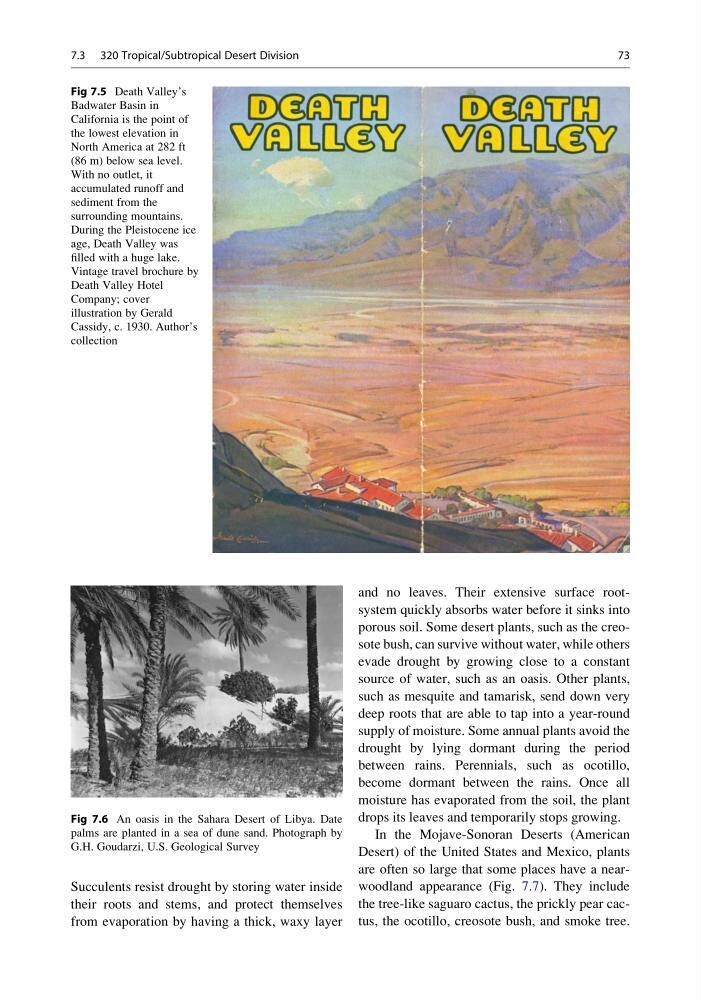
Fig 7.6 An oasis in the Sahara Desert of Libya. Date
palms are planted in a sea of dune sand. Photograph by
G.H. Goudarzi, U.S. Geological Survey
7.3 320 Tropical/Subtropical Desert Division
73
their roots and stems, and protect themselves
from evaporation by having a thick, waxy layer
and no leaves. Their extensive surface rootsystem quickly absorbs water before it sinks into
porous soil. Some desert plants, such as the creosote bush, can survive without water, while others
evade drought by growing close to a constant
source of water, such as an oasis. Other plants,
such as mesquite and tamarisk, send down very
deep roots that are able to tap into a year-round
supply of moisture. Some annual plants avoid the
drought by lying dormant during the period
between rains. Perennials, such as ocotillo,
become dormant between the rains. Once all
moisture has evaporated from the soil, the plant
drops its leaves and temporarily stops growing.
In the Mojave-Sonoran Deserts (American
Desert) of the United States and Mexico, plants
are often so large that some places have a nearwoodland appearance (Fig. 7.7). They include
the tree-like saguaro cactus, the prickly pear cactus, the ocotillo, creosote bush, and smoke tree.
Fig 7.5 Death Valley’s
Badwater Basin in
California is the point of
the lowest elevation in
North America at 282 ft
(86 m) below sea level.
With no outlet, it
accumulated runoff and
sediment from the
surrounding mountains.
During the Pleistocene ice
age, Death Valley was
filled with a huge lake.
Vintage travel brochure by
Death Valley Hotel
Company; cover
illustration by Gerald
Cassidy, c. 1930. Author’s
collection
Fig 7.6 An oasis in the Sahara Desert of Libya. Date
palms are planted in a sea of dune sand. Photograph by
G.H. Goudarzi, U.S. Geological Survey
7.3 320 Tropical/Subtropical Desert Division
73