

(1968) designated by symbol Ft. Average temperature of the warmest month lies between 10
and 0
C. The tundra regions occupy some 5 % of
the land surface of the Earth.
The tundra climate has very short, cool summers and long, severe winters (see Fig. 5.2, climate diagram for Kola [near Murmansk],
Russia). No more than 188 days per year, and
sometimes as few as 55, have a mean temperature higher than 0
C. Annual precipitation is
light, often less than 200 mm, but because potential evaporation is also very low, the climate is
humid. However, because precipitation is usually
in the form of snow and ice, animals and plants
cannot use it.
Tundra is the characteristic vegetation of the
Polar Regions. Three chief types are recognized:
these are grass tundra, brush tundra, and the
desert tundra. Vegetation in the central part is
grass tundra, a treeless plain of low-growing
plants adapted to the climate’s low temperatures,
short growing season, and low precipitation. It
consists of grasses, sedges, and lichens, with
willow shrubs (Fig. 5.4). As in the Antarctic,
mosses and lichens flourish because they can
tolerate the freezing temperatures. Farther
south, the vegetation changes into brush tundra,
or birch–lichen woodland, then into a needleleaf
forest. In some places, a distinct tree line
separates the forest from tundra. Ko ¨ppen (1931)
used this line, which coincides approximately
with the 10
C isotherm of the warmest month,
as a boundary between subarctic and tundra
climates. Farther poleward the tundra breaks up
into detached “oases” in the sheltered hollows,
separated by expanses of bare rock or regolith.
This is the desert tundra. The arctic flora is poor
in plant species; only a few hundred species grow
in the entire Arctic, compared to over 100,000 in
the tropics.
In contrast to surfaces exposed to tropical
rainy climate, soil particles of tundra derive
almost entirely from mechanical breakup of the
parent rock, by continual freezing and thawing,
with little or no chemical alteration. Tundra
soils (Entisols, Inceptisols, and associated
Fig. 5.2 Climate diagrams
from the tundra of northern
Russia and from the
extremely cold, continental
boreal (tayga) regions of
eastern Siberia. Redrawn
from Walter et al. (1975)
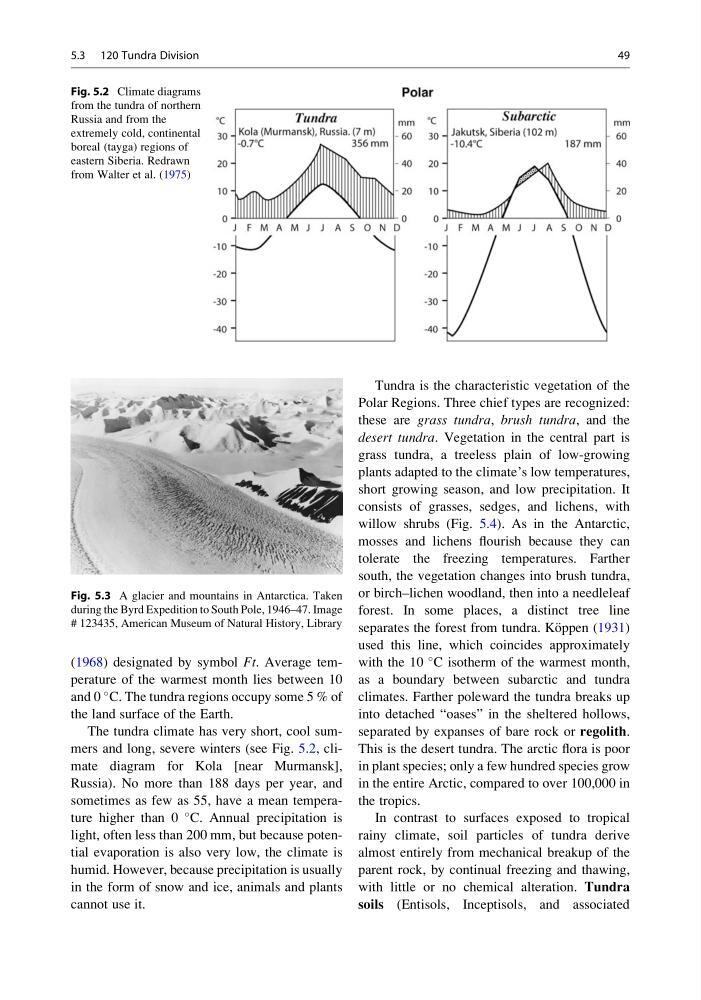
Fig. 5.3 A glacier and mountains in Antarctica. Taken
during the Byrd Expedition to South Pole, 1946–47. Image
# 123435, American Museum of Natural History, Library
5.3 120 Tundra Division
49
and 0
C. The tundra regions occupy some 5 % of
the land surface of the Earth.
The tundra climate has very short, cool summers and long, severe winters (see Fig. 5.2, climate diagram for Kola [near Murmansk],
Russia). No more than 188 days per year, and
sometimes as few as 55, have a mean temperature higher than 0
C. Annual precipitation is
light, often less than 200 mm, but because potential evaporation is also very low, the climate is
humid. However, because precipitation is usually
in the form of snow and ice, animals and plants
cannot use it.
Tundra is the characteristic vegetation of the
Polar Regions. Three chief types are recognized:
these are grass tundra, brush tundra, and the
desert tundra. Vegetation in the central part is
grass tundra, a treeless plain of low-growing
plants adapted to the climate’s low temperatures,
short growing season, and low precipitation. It
consists of grasses, sedges, and lichens, with
willow shrubs (Fig. 5.4). As in the Antarctic,
mosses and lichens flourish because they can
tolerate the freezing temperatures. Farther
south, the vegetation changes into brush tundra,
or birch–lichen woodland, then into a needleleaf
forest. In some places, a distinct tree line
separates the forest from tundra. Ko ¨ppen (1931)
used this line, which coincides approximately
with the 10
C isotherm of the warmest month,
as a boundary between subarctic and tundra
climates. Farther poleward the tundra breaks up
into detached “oases” in the sheltered hollows,
separated by expanses of bare rock or regolith.
This is the desert tundra. The arctic flora is poor
in plant species; only a few hundred species grow
in the entire Arctic, compared to over 100,000 in
the tropics.
In contrast to surfaces exposed to tropical
rainy climate, soil particles of tundra derive
almost entirely from mechanical breakup of the
parent rock, by continual freezing and thawing,
with little or no chemical alteration. Tundra
soils (Entisols, Inceptisols, and associated
Fig. 5.2 Climate diagrams
from the tundra of northern
Russia and from the
extremely cold, continental
boreal (tayga) regions of
eastern Siberia. Redrawn
from Walter et al. (1975)
Fig. 5.3 A glacier and mountains in Antarctica. Taken
during the Byrd Expedition to South Pole, 1946–47. Image
# 123435, American Museum of Natural History, Library
5.3 120 Tundra Division
49