

Histosols), with weakly differentiated horizons,
dominate. As in the northern continental interior,
the tundra has a permanently frozen sublayer of
soil known as permafrost (Fig. 5.5).
1 The permafrost layer is more than 300 m thick throughout the region; seasonal thaw reaches only
10–60 cm below the surface.
Probably half of the tundra surface is covered
by water in the summer and ice in the winter.
Poor drainage is a dominant characteristic. Permafrost prevents the percolation of meltwater
into the regolith. The continental ice sheets that
repeatedly scoured these areas left a rolling
topography relatively free of weathered material.
The depressions are filled with lakes and
swamps, and bogs are everywhere. The streams
that exist meander extensively on the surface,
from depression to depression, or swamp to
swamp. The large rivers that cross the tundra
are exotic rivers and subject to spring flooding.
Since these streams have their headwaters equatorward of the mouth, the spring thaw takes place
first upstream. The meltwater starts downstream,
only to encounter a channel blocked by a stillfrozen stream. The only outlet for the meltwater
is out of the channel over the ice and surrounding
land. In this fashion, immense areas of the Arctic
tundra are flooded in the spring.
One aspect of the hydrologic cycle in the
Arctic warrants particular notice. Whereas in
most parts of the world the change of water to
water vapor is a primary means of heating the
atmosphere, in the Arctic this process is greatly
reduced. Outside the Arctic, when condensation
occurs and the water vapor is returned to a liquid
or solid state, the energy utilized in evaporating
water is again released into the atmosphere and
heats it.
Geomorphic processes are distinctive in the
tundra, resulting in a variety of curious
landforms. Under a protective layer of sod,
water in the soil melts in summer to produce a
thick mud that sometimes flows downslope to
create bulges, terraces, and lobes on hillsides.
The freeze and thaw of water in the soil also
sorts the coarse particles from the fine particles,
giving rise to such patterns in the ground as rings,
polygons, and stripes made of stone. The coastal
plains have numerous lakes of thermokarst origin, formed by melting groundwater.
The richness and variety of the fauna of the
Arctic regions are remarkable. Many of the land
animals of the tayga migrate northward onto the
tundra during the summer months. The reindeer
of Eurasia and the similar, but smaller, caribou of
North America are the most important of these.
Another large herbivore, the musk oxen, occurs
in isolated herds, grazing on the more luxuriant
patches of desert tundra. Two small herbivora—
the Arctic hare and the lemming—are also
widespread.
Following the herds are a number of predatory
animals, such as wolf and fox. The drift ice of the
polar sea or the immediate coastal margins is the
habitat of the polar bear, preying chiefly on
marine life, such as the seal and the walrus.
Birds and insects are particularly numerous.
Mosquitoes are probably present in greater numbers in summer over the tundra than anywhere
else on the Earth. Flies are abundant, especially
near human settlements. Attracted in part by this
abundance of insect life, many migrating birds
make the tundra their goal in summer. The boggy
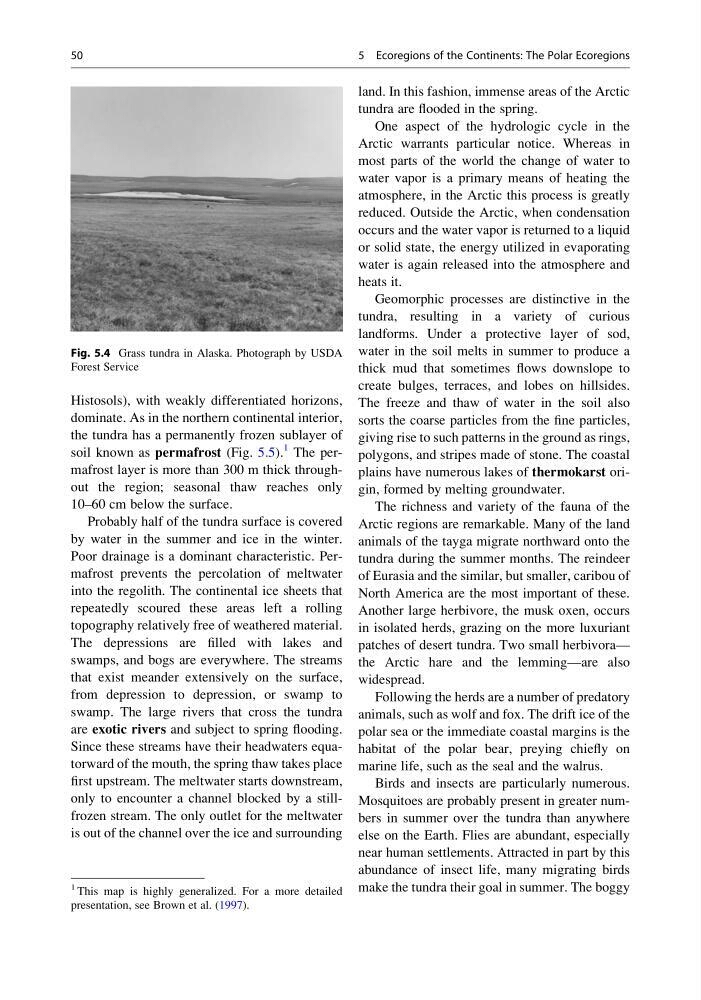
Fig. 5.4 Grass tundra in Alaska. Photograph by USDA
Forest Service
1 This map is highly generalized. For a more detailed
presentation, see Brown et al. (1997).
50
5 Ecoregions of the Continents: The Polar Ecoregions
dominate. As in the northern continental interior,
the tundra has a permanently frozen sublayer of
soil known as permafrost (Fig. 5.5).
1 The permafrost layer is more than 300 m thick throughout the region; seasonal thaw reaches only
10–60 cm below the surface.
Probably half of the tundra surface is covered
by water in the summer and ice in the winter.
Poor drainage is a dominant characteristic. Permafrost prevents the percolation of meltwater
into the regolith. The continental ice sheets that
repeatedly scoured these areas left a rolling
topography relatively free of weathered material.
The depressions are filled with lakes and
swamps, and bogs are everywhere. The streams
that exist meander extensively on the surface,
from depression to depression, or swamp to
swamp. The large rivers that cross the tundra
are exotic rivers and subject to spring flooding.
Since these streams have their headwaters equatorward of the mouth, the spring thaw takes place
first upstream. The meltwater starts downstream,
only to encounter a channel blocked by a stillfrozen stream. The only outlet for the meltwater
is out of the channel over the ice and surrounding
land. In this fashion, immense areas of the Arctic
tundra are flooded in the spring.
One aspect of the hydrologic cycle in the
Arctic warrants particular notice. Whereas in
most parts of the world the change of water to
water vapor is a primary means of heating the
atmosphere, in the Arctic this process is greatly
reduced. Outside the Arctic, when condensation
occurs and the water vapor is returned to a liquid
or solid state, the energy utilized in evaporating
water is again released into the atmosphere and
heats it.
Geomorphic processes are distinctive in the
tundra, resulting in a variety of curious
landforms. Under a protective layer of sod,
water in the soil melts in summer to produce a
thick mud that sometimes flows downslope to
create bulges, terraces, and lobes on hillsides.
The freeze and thaw of water in the soil also
sorts the coarse particles from the fine particles,
giving rise to such patterns in the ground as rings,
polygons, and stripes made of stone. The coastal
plains have numerous lakes of thermokarst origin, formed by melting groundwater.
The richness and variety of the fauna of the
Arctic regions are remarkable. Many of the land
animals of the tayga migrate northward onto the
tundra during the summer months. The reindeer
of Eurasia and the similar, but smaller, caribou of
North America are the most important of these.
Another large herbivore, the musk oxen, occurs
in isolated herds, grazing on the more luxuriant
patches of desert tundra. Two small herbivora—
the Arctic hare and the lemming—are also
widespread.
Following the herds are a number of predatory
animals, such as wolf and fox. The drift ice of the
polar sea or the immediate coastal margins is the
habitat of the polar bear, preying chiefly on
marine life, such as the seal and the walrus.
Birds and insects are particularly numerous.
Mosquitoes are probably present in greater numbers in summer over the tundra than anywhere
else on the Earth. Flies are abundant, especially
near human settlements. Attracted in part by this
abundance of insect life, many migrating birds
make the tundra their goal in summer. The boggy
Fig. 5.4 Grass tundra in Alaska. Photograph by USDA
Forest Service
1 This map is highly generalized. For a more detailed
presentation, see Brown et al. (1997).
50
5 Ecoregions of the Continents: The Polar Ecoregions