

The foregoing analysis shows how a hierarchy
of spatially nested ecosystem units can be
constructed by successively subdividing large
ecosystems based on controlling or causal factors
operating at different scales. It is about patterns
created by changes in the environmental controls
rather than by disturbance.
11.2 Disturbance and Succession
Disturbance and subsequent vegetation development contribute significantly to a landscape
pattern at various spatial and temporal scales.
An ecosystem’s vegetation changes with time,
and that compositional change occurs in a
sequence from pioneer vegetation through successive intermediate steps to a relatively stable
state called “late successional vegetation.” The
late successional types are used to characterize
ecosystems because they tend to be far more sitespecific than pioneer types, which might occur
over a wider range of conditions. Furthermore,
Fig. 11.6 Forest climaxes
relate to topography in the
temperate continental zone
of southern Ontario.
(Diagram is truncated,
showing only three of nine
possible climaxes.)
Simplified from Hills
(1952)
Fig. 11.5 Variation in moisture creates a toposequence
or catena of soil moisture regimes
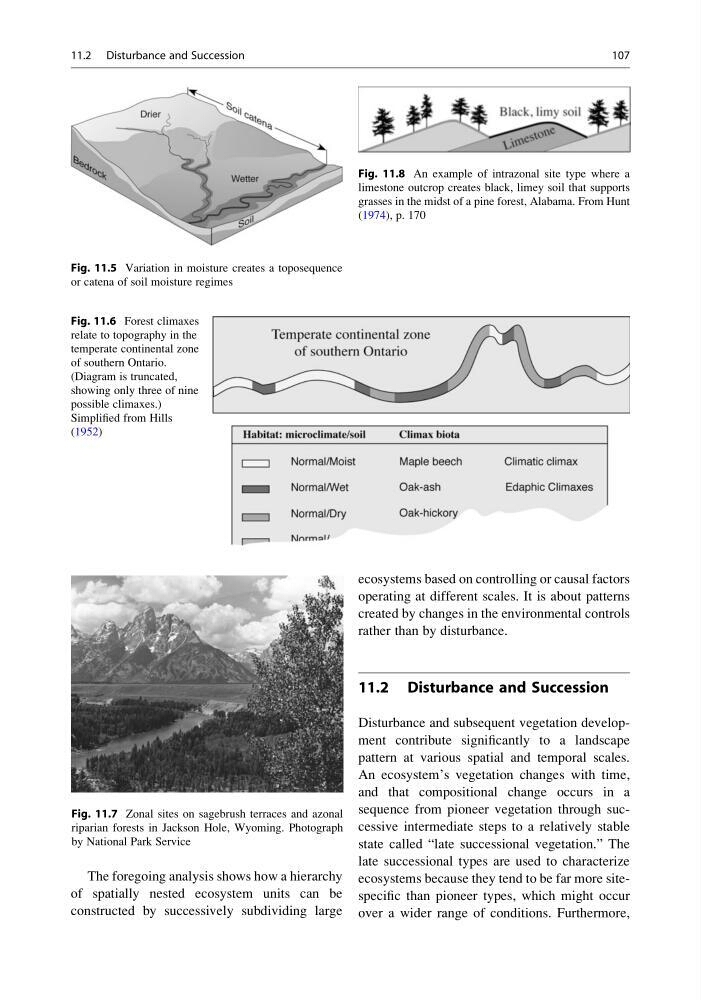
Fig. 11.7 Zonal sites on sagebrush terraces and azonal
riparian forests in Jackson Hole, Wyoming. Photograph
by National Park Service
Fig. 11.8 An example of intrazonal site type where a
limestone outcrop creates black, limey soil that supports
grasses in the midst of a pine forest, Alabama. From Hunt
(1974), p. 170
11.2 Disturbance and Succession
107
of spatially nested ecosystem units can be
constructed by successively subdividing large
ecosystems based on controlling or causal factors
operating at different scales. It is about patterns
created by changes in the environmental controls
rather than by disturbance.
11.2 Disturbance and Succession
Disturbance and subsequent vegetation development contribute significantly to a landscape
pattern at various spatial and temporal scales.
An ecosystem’s vegetation changes with time,
and that compositional change occurs in a
sequence from pioneer vegetation through successive intermediate steps to a relatively stable
state called “late successional vegetation.” The
late successional types are used to characterize
ecosystems because they tend to be far more sitespecific than pioneer types, which might occur
over a wider range of conditions. Furthermore,
Fig. 11.6 Forest climaxes
relate to topography in the
temperate continental zone
of southern Ontario.
(Diagram is truncated,
showing only three of nine
possible climaxes.)
Simplified from Hills
(1952)
Fig. 11.5 Variation in moisture creates a toposequence
or catena of soil moisture regimes
Fig. 11.7 Zonal sites on sagebrush terraces and azonal
riparian forests in Jackson Hole, Wyoming. Photograph
by National Park Service
Fig. 11.8 An example of intrazonal site type where a
limestone outcrop creates black, limey soil that supports
grasses in the midst of a pine forest, Alabama. From Hunt
(1974), p. 170
11.2 Disturbance and Succession
107