

88
3
Quantification of Early Diagenesis: Dissolved Constituents in Marine Pore Water
Another example that can be assessed with
this analytical solution results from the following
considerations: At the beginning of the Holocene, about 10,000 years ago, the sea level rose
more than 100 m as a result of thawing ice, which
is equivalent to 3 % of the entire water column.
This means that seawater had been previously
about 3 % higher in concentration. If we assume a
chloride concentration of 20,000 mg/l in the
seawater today, and thus a mean concentration of
20,600 mg/l in seawater of the ice age, then we are
able to calculate the non-steady state chloride
profile in pore water with the application of the
analytical solution of Equation 3.26.
From the result of this calculation (shown in Fig.
3.10) it follows that we will find just about one half
of the ice age seawater concentration (20,300 mg/l)
at a depth of 12 m below the sediment surface. If we
consider that the reliability of our analytical
methods lies at best somewhere around 1.5 %, the
exemplary calculation reveals that the effect in pore
water is almost at the limit of detection.
Other applications of such analytical solutions hardly make any sense, since, with the
exception of chloride, practically all other parameters of pore water are strongly influenced by
complex biogeochemical processes. In order to
retrace these processes appropriately, analytical
solutions for non-steady states in pore water are
usually not sufficiently flexible. Hence, numeric
solutions are mostly employed. These will be
discussed later in Chapter 15 with regard to
connection to biogeochemical reactions.
3.2.5
The Primary Redox-Reactions:
Degradation of Organic Matter
Nearly all biogeochemical processes in young
marine sediments during early diagenesis are
directly or indirectly connected with the degradation of organic matter. This organic matter is
produced by algae in the euphotic zone of the
water column by photosynthesis. Usually, only a
small part of the primary production reaches the
sediment surface and of which only a small part is
incorporated into the sediment where it becomes
the driving force for most of the primary diagenetic redox-reactions (cf. Fig. 12.1).
The conceptual model for the degradation of
organic matter in marine sediments was first
proposed by Froelich et al. (1979). Although many
more details, variations and specific pathways of
these redox-reactions have become known in the
meantime, this ‘Froelich-model’ of the primary
redox-reactions in marine sediments is still valid
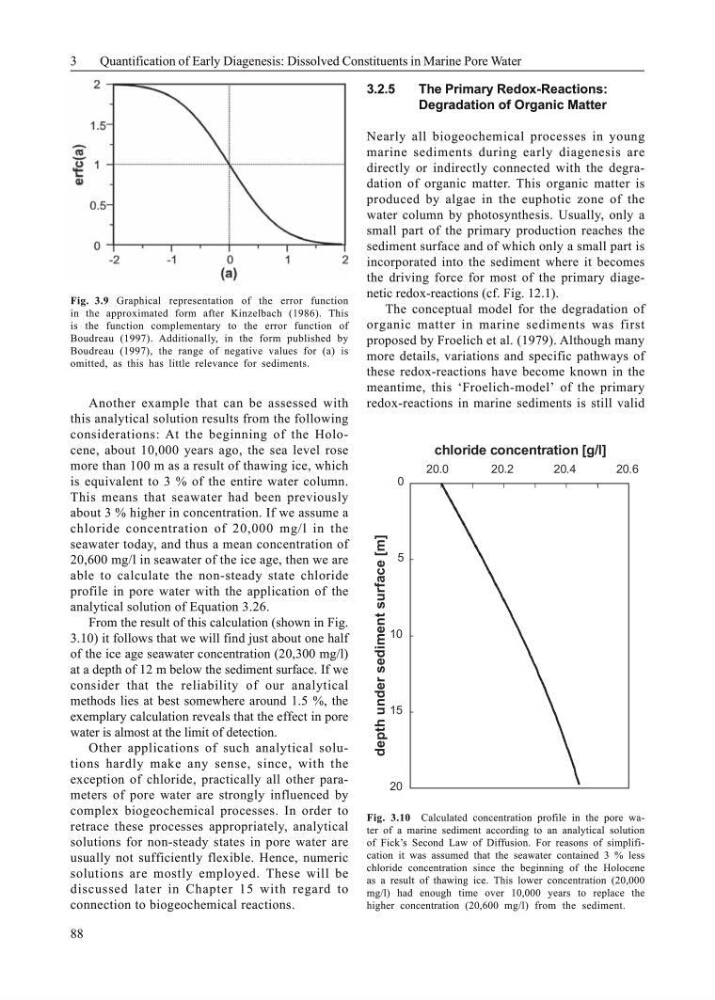
Fig. 3.9 Graphical representation of the error function
in the approximated form after Kinzelbach (1986). This
is the function complementary to the error function of
Boudreau (1997). Additionally, in the form published by
Boudreau (1997), the range of negative values for (a) is
omitted, as this has little relevance for sediments.
Fig. 3.10 Calculated concentration profile in the pore water of a marine sediment according to an analytical solution
of Fick’s Second Law of Diffusion. For reasons of simplification it was assumed that the seawater contained 3 % less
chloride concentration since the beginning of the Holocene
as a result of thawing ice. This lower concentration (20,000
mg/l) had enough time over 10,000 years to replace the
higher concentration (20,600 mg/l) from the sediment.
0
5
10
15
20
20.0
20.2
20.4
20.6
depth under sediment surface [m]
chloride concentration [g/l]
3
Quantification of Early Diagenesis: Dissolved Constituents in Marine Pore Water
Another example that can be assessed with
this analytical solution results from the following
considerations: At the beginning of the Holocene, about 10,000 years ago, the sea level rose
more than 100 m as a result of thawing ice, which
is equivalent to 3 % of the entire water column.
This means that seawater had been previously
about 3 % higher in concentration. If we assume a
chloride concentration of 20,000 mg/l in the
seawater today, and thus a mean concentration of
20,600 mg/l in seawater of the ice age, then we are
able to calculate the non-steady state chloride
profile in pore water with the application of the
analytical solution of Equation 3.26.
From the result of this calculation (shown in Fig.
3.10) it follows that we will find just about one half
of the ice age seawater concentration (20,300 mg/l)
at a depth of 12 m below the sediment surface. If we
consider that the reliability of our analytical
methods lies at best somewhere around 1.5 %, the
exemplary calculation reveals that the effect in pore
water is almost at the limit of detection.
Other applications of such analytical solutions hardly make any sense, since, with the
exception of chloride, practically all other parameters of pore water are strongly influenced by
complex biogeochemical processes. In order to
retrace these processes appropriately, analytical
solutions for non-steady states in pore water are
usually not sufficiently flexible. Hence, numeric
solutions are mostly employed. These will be
discussed later in Chapter 15 with regard to
connection to biogeochemical reactions.
3.2.5
The Primary Redox-Reactions:
Degradation of Organic Matter
Nearly all biogeochemical processes in young
marine sediments during early diagenesis are
directly or indirectly connected with the degradation of organic matter. This organic matter is
produced by algae in the euphotic zone of the
water column by photosynthesis. Usually, only a
small part of the primary production reaches the
sediment surface and of which only a small part is
incorporated into the sediment where it becomes
the driving force for most of the primary diagenetic redox-reactions (cf. Fig. 12.1).
The conceptual model for the degradation of
organic matter in marine sediments was first
proposed by Froelich et al. (1979). Although many
more details, variations and specific pathways of
these redox-reactions have become known in the
meantime, this ‘Froelich-model’ of the primary
redox-reactions in marine sediments is still valid
Fig. 3.9 Graphical representation of the error function
in the approximated form after Kinzelbach (1986). This
is the function complementary to the error function of
Boudreau (1997). Additionally, in the form published by
Boudreau (1997), the range of negative values for (a) is
omitted, as this has little relevance for sediments.
Fig. 3.10 Calculated concentration profile in the pore water of a marine sediment according to an analytical solution
of Fick’s Second Law of Diffusion. For reasons of simplification it was assumed that the seawater contained 3 % less
chloride concentration since the beginning of the Holocene
as a result of thawing ice. This lower concentration (20,000
mg/l) had enough time over 10,000 years to replace the
higher concentration (20,600 mg/l) from the sediment.
0
5
10
15
20
20.0
20.2
20.4
20.6
depth under sediment surface [m]
chloride concentration [g/l]