

89
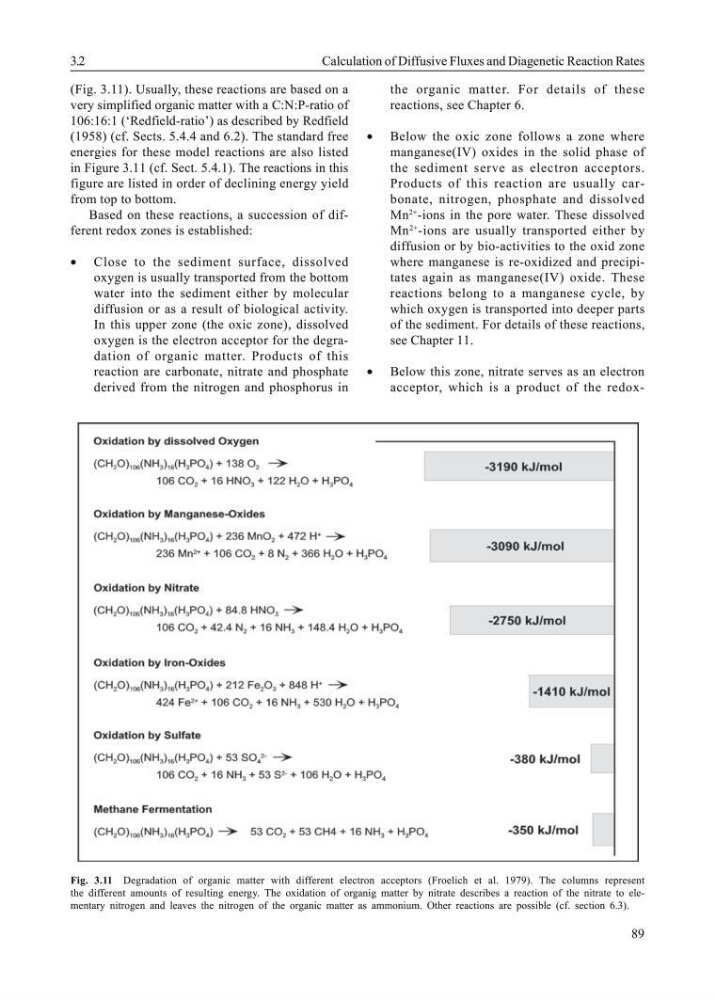
(Fig. 3.11). Usually, these reactions are based on a
very simplified organic matter with a C:N:P-ratio of
106:16:1 (‘Redfield-ratio’) as described by Redfield
(1958) (cf. Sects. 5.4.4 and 6.2). The standard free
energies for these model reactions are also listed
in Figure 3.11 (cf. Sect. 5.4.1). The reactions in this
figure are listed in order of declining energy yield
from top to bottom.
Based on these reactions, a succession of different redox zones is established:
• Close to the sediment surface, dissolved
oxygen is usually transported from the bottom
water into the sediment either by molecular
diffusion or as a result of biological activity.
In this upper zone (the oxic zone), dissolved
oxygen is the electron acceptor for the degradation of organic matter. Products of this
reaction are carbonate, nitrate and phosphate
derived from the nitrogen and phosphorus in
the organic matter. For details of these
reactions, see Chapter 6.
• Below the oxic zone follows a zone where
manganese(IV) oxides in the solid phase of
the sediment serve as electron acceptors.
Products of this reaction are usually carbonate, nitrogen, phosphate and dissolved
Mn
2+
-ions in the pore water. These dissolved
Mn
2+
-ions are usually transported either by
diffusion or by bio-activities to the oxid zone
where manganese is re-oxidized and precipitates again as manganese(IV) oxide. These
reactions belong to a manganese cycle, by
which oxygen is transported into deeper parts
of the sediment. For details of these reactions,
see Chapter 11.
• Below this zone, nitrate serves as an electron
acceptor, which is a product of the redox3.2
Calculation of Diffusive Fluxes and Diagenetic Reaction Rates
Fig. 3.11 Degradation of organic matter with different electron acceptors (Froelich et al. 1979). The columns represent
the different amounts of resulting energy. The oxidation of organig matter by nitrate describes a reaction of the nitrate to elementary nitrogen and leaves the nitrogen of the organic matter as ammonium. Other reactions are possible (cf. section 6.3).
(Fig. 3.11). Usually, these reactions are based on a
very simplified organic matter with a C:N:P-ratio of
106:16:1 (‘Redfield-ratio’) as described by Redfield
(1958) (cf. Sects. 5.4.4 and 6.2). The standard free
energies for these model reactions are also listed
in Figure 3.11 (cf. Sect. 5.4.1). The reactions in this
figure are listed in order of declining energy yield
from top to bottom.
Based on these reactions, a succession of different redox zones is established:
• Close to the sediment surface, dissolved
oxygen is usually transported from the bottom
water into the sediment either by molecular
diffusion or as a result of biological activity.
In this upper zone (the oxic zone), dissolved
oxygen is the electron acceptor for the degradation of organic matter. Products of this
reaction are carbonate, nitrate and phosphate
derived from the nitrogen and phosphorus in
the organic matter. For details of these
reactions, see Chapter 6.
• Below the oxic zone follows a zone where
manganese(IV) oxides in the solid phase of
the sediment serve as electron acceptors.
Products of this reaction are usually carbonate, nitrogen, phosphate and dissolved
Mn
2+
-ions in the pore water. These dissolved
Mn
2+
-ions are usually transported either by
diffusion or by bio-activities to the oxid zone
where manganese is re-oxidized and precipitates again as manganese(IV) oxide. These
reactions belong to a manganese cycle, by
which oxygen is transported into deeper parts
of the sediment. For details of these reactions,
see Chapter 11.
• Below this zone, nitrate serves as an electron
acceptor, which is a product of the redox3.2
Calculation of Diffusive Fluxes and Diagenetic Reaction Rates
Fig. 3.11 Degradation of organic matter with different electron acceptors (Froelich et al. 1979). The columns represent
the different amounts of resulting energy. The oxidation of organig matter by nitrate describes a reaction of the nitrate to elementary nitrogen and leaves the nitrogen of the organic matter as ammonium. Other reactions are possible (cf. section 6.3).