

8 Water Relations in Eucalyptus Plantation
Eucalyptus is a controversial tree species globally, due to its merits as well as notoriety. Its merits like fast-growing nature, quick adaptation to a wide range of ecological situations, several industrial applications, and as a means of livelihood for the
unprivileged have elevated it to one of the most desirable tree species introduced in
afforestation, farm forestry, and social forestry programs. Nevertheless, eucalyptus is
also known to cause a number of environmental hazards like depletion of groundwater, dominance over other species through allelopathic effects, loss of soil fertility,
and negative impacts on local food security issues (Mukund and Palanisami 2011).
Tree planting in the study area is mainly meant for fuel wood, income generation,
and construction purposes. No respondent has reported that trees are planted for
environmental conservation. As per people’s perceptions, eucalyptus is the main
reason for a scarcity of water in the recent years and also no crop will grow in the
surrounding lands once it is uprooted because it absorbs moisture from the surrounding land. In this respect, Engel (2005), in a study on hydrological consequences
of eucalyptus in Argentine pampas, finds that it utilizes ground water (67 % of its total
water use) as well as water from upper vadose zone (unsaturated zone), the main
source of supply to ground water. This corroborates the earlier study carried out by
Thorburn and Walker (1993) who also find evidence of eucalyptus drawing water with
a greater suction from the surrounding areas. The proportion of groundwater used by
eucalyptus trees from distant places from the plantation increased from 40 to 63 %
with the surface soil drying up.
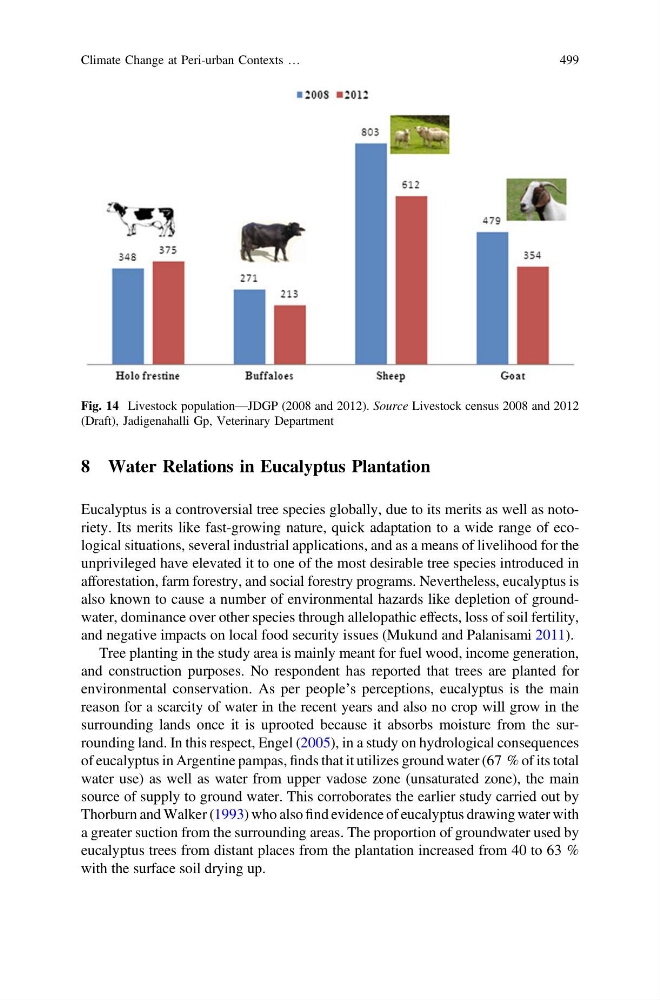
Fig. 14 Livestock population—JDGP (2008 and 2012). Source Livestock census 2008 and 2012
(Draft), Jadigenahalli Gp, Veterinary Department
Climate Change at Peri-urban Contexts …
499
Eucalyptus is a controversial tree species globally, due to its merits as well as notoriety. Its merits like fast-growing nature, quick adaptation to a wide range of ecological situations, several industrial applications, and as a means of livelihood for the
unprivileged have elevated it to one of the most desirable tree species introduced in
afforestation, farm forestry, and social forestry programs. Nevertheless, eucalyptus is
also known to cause a number of environmental hazards like depletion of groundwater, dominance over other species through allelopathic effects, loss of soil fertility,
and negative impacts on local food security issues (Mukund and Palanisami 2011).
Tree planting in the study area is mainly meant for fuel wood, income generation,
and construction purposes. No respondent has reported that trees are planted for
environmental conservation. As per people’s perceptions, eucalyptus is the main
reason for a scarcity of water in the recent years and also no crop will grow in the
surrounding lands once it is uprooted because it absorbs moisture from the surrounding land. In this respect, Engel (2005), in a study on hydrological consequences
of eucalyptus in Argentine pampas, finds that it utilizes ground water (67 % of its total
water use) as well as water from upper vadose zone (unsaturated zone), the main
source of supply to ground water. This corroborates the earlier study carried out by
Thorburn and Walker (1993) who also find evidence of eucalyptus drawing water with
a greater suction from the surrounding areas. The proportion of groundwater used by
eucalyptus trees from distant places from the plantation increased from 40 to 63 %
with the surface soil drying up.
Fig. 14 Livestock population—JDGP (2008 and 2012). Source Livestock census 2008 and 2012
(Draft), Jadigenahalli Gp, Veterinary Department
Climate Change at Peri-urban Contexts …
499