

177
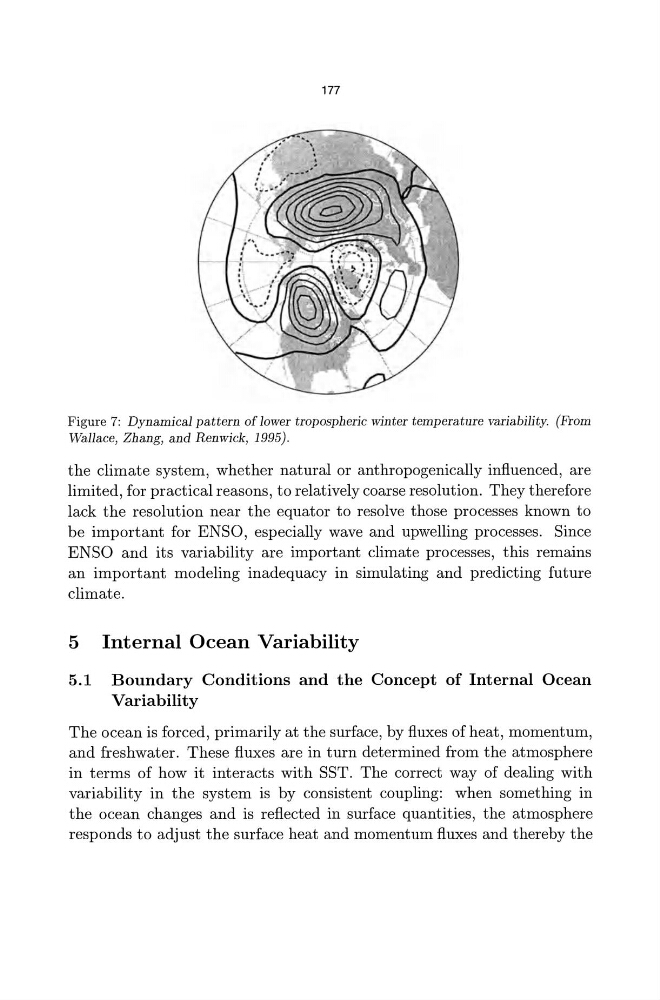
Figure 7: Dynamical pattern of lower tropospheric winter temperature variability. (From
Wallace, Zhang, and Renwick, 1995).
the climate system, whether natural or anthropogenically influenced, are
limited, for practical reasons, to relatively coarse resolution. They therefore
lack the resolution near the equator to resolve those processes known to
be important for ENSO, especially wave and upwelling processes. Since
ENSO and its variability are important climate processes, this remains
an important modeling inadequacy in simulating and predicting future
climate.
5 Internal Ocean Variability
5.1 Boundary Conditions and the Concept of Internal Ocean
Variability
The ocean is forced, primarily at the surface, by fluxes of heat, momentum,
and freshwater. These fluxes are in turn determined from the atmosphere
in terms of how it interacts with SST. The correct way of dealing with
variability in the system is by consistent coupling: when something in
the ocean changes and is reflected in surface quantities, the atmosphere
responds to adjust the surface heat and momentum fluxes and thereby the
Figure 7: Dynamical pattern of lower tropospheric winter temperature variability. (From
Wallace, Zhang, and Renwick, 1995).
the climate system, whether natural or anthropogenically influenced, are
limited, for practical reasons, to relatively coarse resolution. They therefore
lack the resolution near the equator to resolve those processes known to
be important for ENSO, especially wave and upwelling processes. Since
ENSO and its variability are important climate processes, this remains
an important modeling inadequacy in simulating and predicting future
climate.
5 Internal Ocean Variability
5.1 Boundary Conditions and the Concept of Internal Ocean
Variability
The ocean is forced, primarily at the surface, by fluxes of heat, momentum,
and freshwater. These fluxes are in turn determined from the atmosphere
in terms of how it interacts with SST. The correct way of dealing with
variability in the system is by consistent coupling: when something in
the ocean changes and is reflected in surface quantities, the atmosphere
responds to adjust the surface heat and momentum fluxes and thereby the