

4.7 Salient Current Trends
175
Automation
I +------.
t
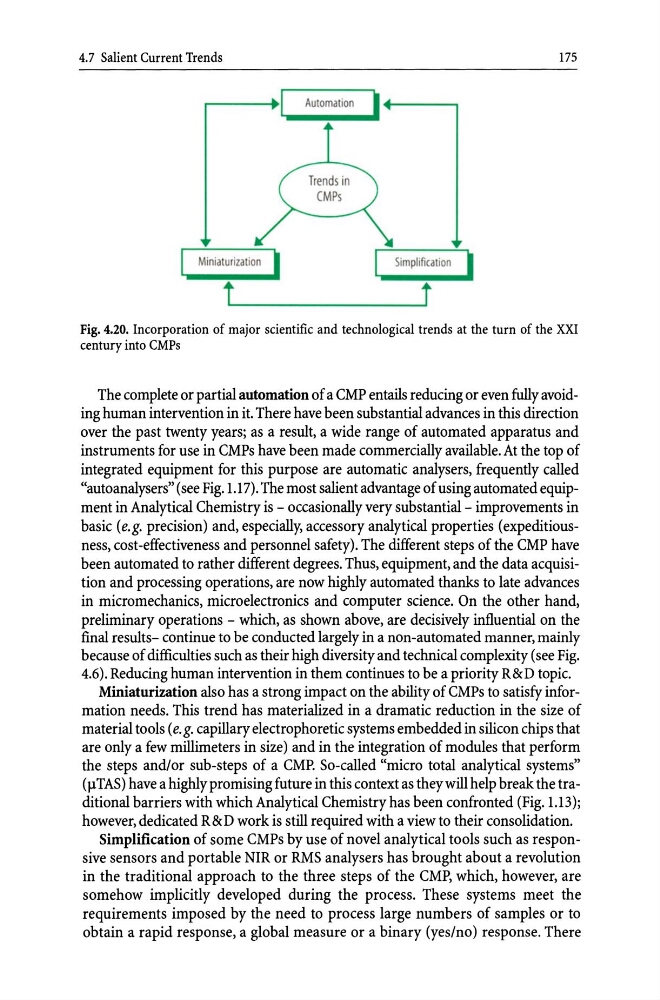
Fig. 4.20. Incorporation of major scientific and technological trends at the turn of the XXI
century into CMPs
The complete or partial automation of a CMP entails reducing or even fullyavoiding human intervention in it. There have been substantial advances in this direction
over the past twenty years; as a result, a wide range of automated apparatus and
instruments for use in CMPs have been made commercially available. At the top of
integrated equipment for this purpose are automatic analysers, frequently called
"autoanalysers" (see Fig. 1.17). The most salient advantage of using automated equipment in Analytical Chemistry is - occasionally very substantial - improvements in
basic (e. g. precision) and, especially, accessory analytical properties (expeditiousness, cost-effectiveness and personnel safety). The different steps of the CMP have
been automated to rather different degrees. Thus, equipment, and the data acquisition and processing operations, are now highly automated thanks to late advances
in micromechanics, microelectronics and computer science. On the other hand,
preliminary operations - which, as shown above, are decisively influential on the
final results- continue to be conducted largely in a non-automated manner, mainly
because of difficulties such as their high diversity and technical complexity (see Fig.
4.6). Reducing human intervention in them continues to be a priority R&D topic.
Miniaturization also has a strong impact on the ability of CMPs to satisfy information needs. This trend has materialized in a dramatic reduction in the size of
material tools (e. g. capillary electrophoretic systems embedded in silicon chips that
are only a few millimeters in size) and in the integration of modules that perform
the steps and/or sub-steps of a CMP. So-called "micro total analytical systems"
(J.1 TAS) have a highly promising future in this context as they will help break the traditional barriers with which Analytical Chemistry has been confronted (Fig. 1.13);
however, dedicated R&D work is still required with a view to their consolidation.
Simplification of some CMPs by use of novel analytical tools such as responsive sensors and portable NIR or RMS analysers has brought about a revolution
in the traditional approach to the three steps of the CMP, which, however, are
somehow implicitly developed during the process. These systems meet the
requirements imposed by the need to process large numbers of samples or to
obtain a rapid response, a global measure or a binary (yes/no) response. There
175
Automation
I +------.
t
Fig. 4.20. Incorporation of major scientific and technological trends at the turn of the XXI
century into CMPs
The complete or partial automation of a CMP entails reducing or even fullyavoiding human intervention in it. There have been substantial advances in this direction
over the past twenty years; as a result, a wide range of automated apparatus and
instruments for use in CMPs have been made commercially available. At the top of
integrated equipment for this purpose are automatic analysers, frequently called
"autoanalysers" (see Fig. 1.17). The most salient advantage of using automated equipment in Analytical Chemistry is - occasionally very substantial - improvements in
basic (e. g. precision) and, especially, accessory analytical properties (expeditiousness, cost-effectiveness and personnel safety). The different steps of the CMP have
been automated to rather different degrees. Thus, equipment, and the data acquisition and processing operations, are now highly automated thanks to late advances
in micromechanics, microelectronics and computer science. On the other hand,
preliminary operations - which, as shown above, are decisively influential on the
final results- continue to be conducted largely in a non-automated manner, mainly
because of difficulties such as their high diversity and technical complexity (see Fig.
4.6). Reducing human intervention in them continues to be a priority R&D topic.
Miniaturization also has a strong impact on the ability of CMPs to satisfy information needs. This trend has materialized in a dramatic reduction in the size of
material tools (e. g. capillary electrophoretic systems embedded in silicon chips that
are only a few millimeters in size) and in the integration of modules that perform
the steps and/or sub-steps of a CMP. So-called "micro total analytical systems"
(J.1 TAS) have a highly promising future in this context as they will help break the traditional barriers with which Analytical Chemistry has been confronted (Fig. 1.13);
however, dedicated R&D work is still required with a view to their consolidation.
Simplification of some CMPs by use of novel analytical tools such as responsive sensors and portable NIR or RMS analysers has brought about a revolution
in the traditional approach to the three steps of the CMP, which, however, are
somehow implicitly developed during the process. These systems meet the
requirements imposed by the need to process large numbers of samples or to
obtain a rapid response, a global measure or a binary (yes/no) response. There