

Organocatalysis by Hydrogen Bonding Networks
289
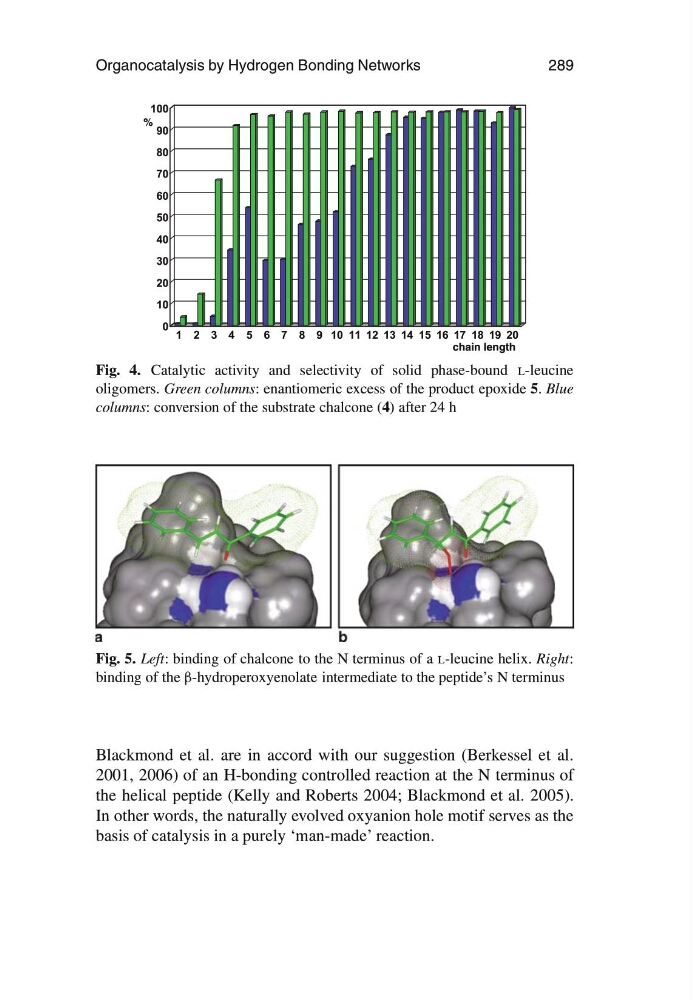
Fig. 4. Catalytic activity and selectivity of solid phase-bound l-leucine
oligomers. Green columns: enantiomeric excess of the product epoxide 5. Blue
columns: conversion of the substrate chalcone (4) after 24 h
Fig. 5. Left: binding of chalcone to the N terminus of a l-leucine helix. Right:
binding of the β-hydroperoxyenolate intermediate to the peptide’s N terminus
Blackmond et al. are in accord with our suggestion (Berkessel et al.
2001, 2006) of an H-bonding controlled reaction at the N terminus of
the helical peptide (Kelly and Roberts 2004; Blackmond et al. 2005).
In other words, the naturally evolved oxyanion hole motif serves as the
basis of catalysis in a purely ‘man-made’ reaction.