

Nucleophilic Carbenes as Organocatalysts
167
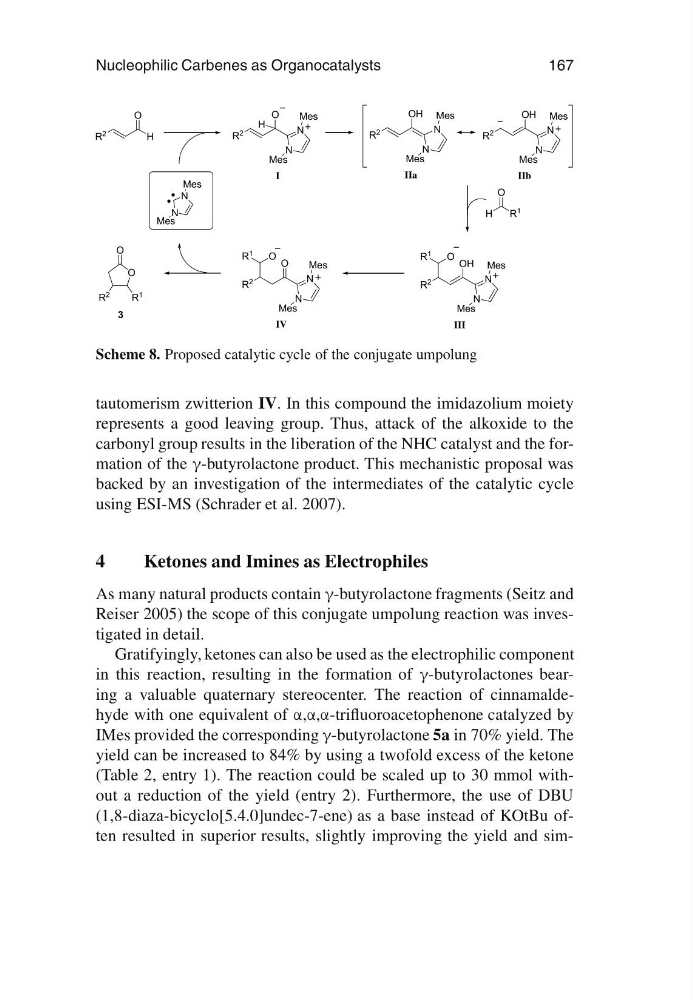
Scheme 8. Proposed catalytic cycle of the conjugate umpolung
tautomerism zwitterion IV. In this compound the imidazolium moiety
represents a good leaving group. Thus, attack of the alkoxide to the
carbonyl group results in the liberation of the NHC catalyst and the formation of the γ-butyrolactone product. This mechanistic proposal was
backed by an investigation of the intermediates of the catalytic cycle
using ESI-MS (Schrader et al. 2007).
4
Ketones and Imines as Electrophiles
As many natural products contain γ-butyrolactone fragments (Seitz and
Reiser 2005) the scope of this conjugate umpolung reaction was investigated in detail.
Gratifyingly, ketones can also be used as the electrophilic component
in this reaction, resulting in the formation of γ-butyrolactones bearing a valuable quaternary stereocenter. The reaction of cinnamaldehyde with one equivalent of α,α,α-trifluoroacetophenone catalyzed by
IMes provided the corresponding γ-butyrolactone 5a in 70% yield. The
yield can be increased to 84% by using a twofold excess of the ketone
(Table 2, entry 1). The reaction could be scaled up to 30 mmol without a reduction of the yield (entry 2). Furthermore, the use of DBU
(1,8-diaza-bicyclo[5.4.0]undec-7-ene) as a base instead of KOtBu often resulted in superior results, slightly improving the yield and sim-