

Asymmetric Organocatalysis on a Technical Scale
149
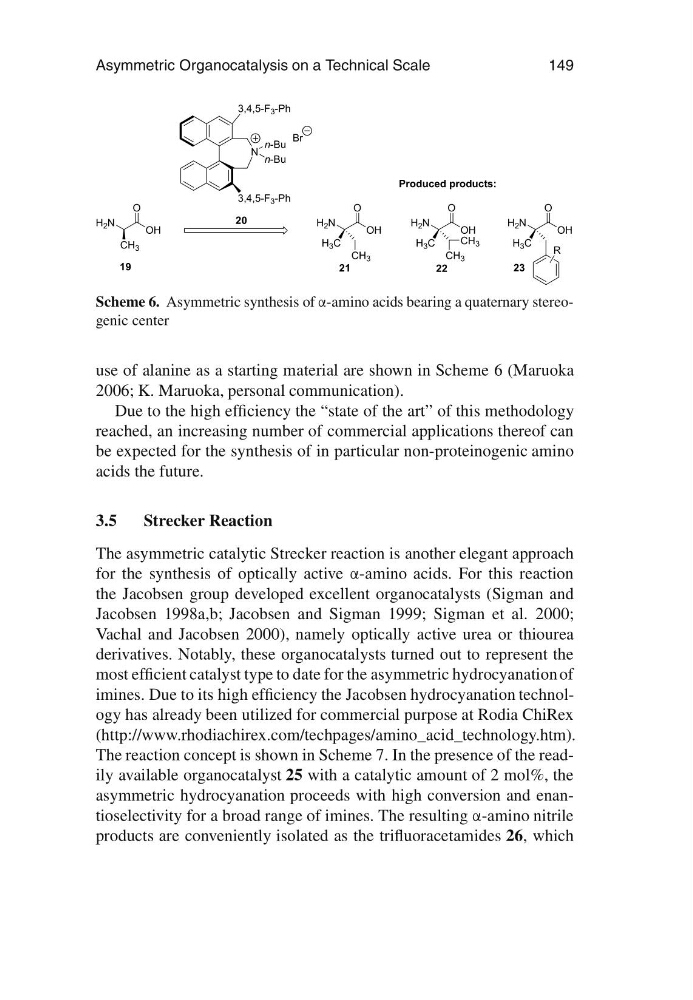
Scheme 6. Asymmetric synthesis of α-amino acids bearing a quaternary stereogenic center
use of alanine as a starting material are shown in Scheme 6 (Maruoka
2006; K. Maruoka, personal communication).
Due to the high efficiency the “state of the art” of this methodology
reached, an increasing number of commercial applications thereof can
be expected for the synthesis of in particular non-proteinogenic amino
acids the future.
3.5
Strecker Reaction
The asymmetric catalytic Strecker reaction is another elegant approach
for the synthesis of optically active α-amino acids. For this reaction
the Jacobsen group developed excellent organocatalysts (Sigman and
Jacobsen 1998a,b; Jacobsen and Sigman 1999; Sigman et al. 2000;
Vachal and Jacobsen 2000), namely optically active urea or thiourea
derivatives. Notably, these organocatalysts turned out to represent the
most efficient catalyst type to date for the asymmetric hydrocyanation of
imines. Due to its high efficiency the Jacobsen hydrocyanation technology has already been utilized for commercial purpose at Rodia ChiRex
(http://www.rhodiachirex.com/techpages/amino_acid_technology.htm).
The reaction concept is shown in Scheme 7. In the presence of the readily available organocatalyst 25 with a catalytic amount of 2 mol%, the
asymmetric hydrocyanation proceeds with high conversion and enantioselectivity for a broad range of imines. The resulting α-amino nitrile
products are conveniently isolated as the trifluoracetamides 26, which