

148
H. Gröger
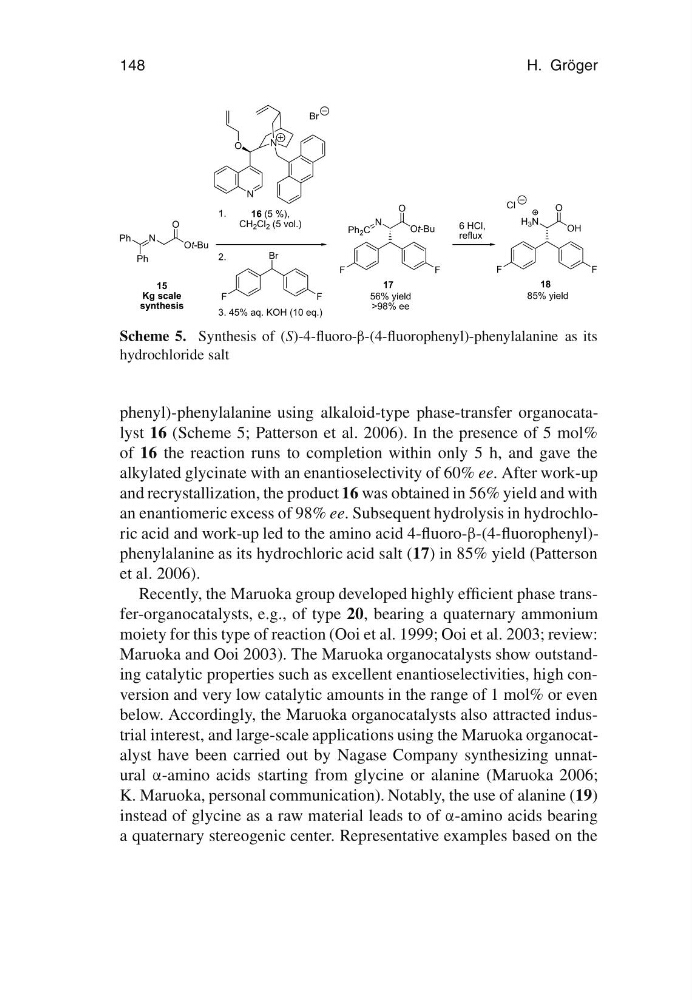
Scheme 5. Synthesis of (S)-4-fluoro-β-(4-fluorophenyl)-phenylalanine as its
hydrochloride salt
phenyl)-phenylalanine using alkaloid-type phase-transfer organocatalyst 16 (Scheme 5; Patterson et al. 2006). In the presence of 5 mol%
of 16 the reaction runs to completion within only 5 h, and gave the
alkylated glycinate with an enantioselectivity of 60% ee. After work-up
and recrystallization, the product 16 was obtained in 56% yield and with
an enantiomeric excess of 98% ee. Subsequent hydrolysis in hydrochloric acid and work-up led to the amino acid 4-fluoro-β-(4-fluorophenyl)phenylalanine as its hydrochloric acid salt (17) in 85% yield (Patterson
et al. 2006).
Recently, the Maruoka group developed highly efficient phase transfer-organocatalysts, e.g., of type 20, bearing a quaternary ammonium
moiety for this type of reaction (Ooi et al. 1999; Ooi et al. 2003; review:
Maruoka and Ooi 2003). The Maruoka organocatalysts show outstanding catalytic properties such as excellent enantioselectivities, high conversion and very low catalytic amounts in the range of 1 mol% or even
below. Accordingly, the Maruoka organocatalysts also attracted industrial interest, and large-scale applications using the Maruoka organocatalyst have been carried out by Nagase Company synthesizing unnatural α-amino acids starting from glycine or alanine (Maruoka 2006;
K. Maruoka, personal communication). Notably, the use of alanine (19)
instead of glycine as a raw material leads to of α-amino acids bearing
a quaternary stereogenic center. Representative examples based on the