

146
H. Gröger
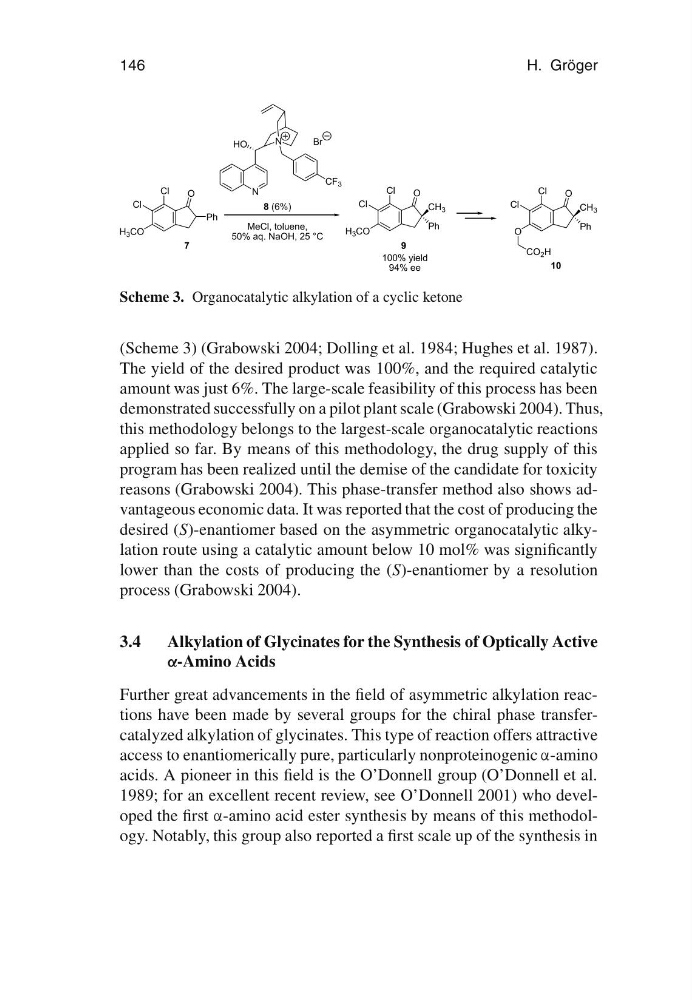
Scheme 3. Organocatalytic alkylation of a cyclic ketone
(Scheme 3) (Grabowski 2004; Dolling et al. 1984; Hughes et al. 1987).
The yield of the desired product was 100%, and the required catalytic
amount was just 6%. The large-scale feasibility of this process has been
demonstrated successfully on a pilot plant scale (Grabowski 2004). Thus,
this methodology belongs to the largest-scale organocatalytic reactions
applied so far. By means of this methodology, the drug supply of this
program has been realized until the demise of the candidate for toxicity
reasons (Grabowski 2004). This phase-transfer method also shows advantageous economic data. It was reported that the cost of producing the
desired (S)-enantiomer based on the asymmetric organocatalytic alkylation route using a catalytic amount below 10 mol% was significantly
lower than the costs of producing the (S)-enantiomer by a resolution
process (Grabowski 2004).
3.4
Alkylation of Glycinates for the Synthesis of Optically Active
α-Amino Acids
Further great advancements in the field of asymmetric alkylation reactions have been made by several groups for the chiral phase transfercatalyzed alkylation of glycinates. This type of reaction offers attractive
access to enantiomerically pure, particularly nonproteinogenic α-amino
acids. A pioneer in this field is the O’Donnell group (O’Donnell et al.
1989; for an excellent recent review, see O’Donnell 2001) who developed the first α-amino acid ester synthesis by means of this methodology. Notably, this group also reported a first scale up of the synthesis in