

CHAPTER 2 • Marine Organic Geochemistry: A General Overview
51
Lipid class
Structure
Name
Lipid class
Structure
Name
Glycolipids
H 2 COH
Digalactosyl
diglyceride
H°vfiH°"
4 o - C H
OHO~3 0 O-CH2 0
Free aliphatic
alcohols
HO-CH~
Sterols
Phytol
HO~
Cholesterol
Diglycerides
0
II
1,2-Dipalmitin
O/C~
H 2 C/
0
I
II
HC-O-C~
I
H2C, OH
Monoglycerides
o
II
l-Monopalmitin
O/C~
H 2 C/
I
HC -O-oH
I
H2C, OH
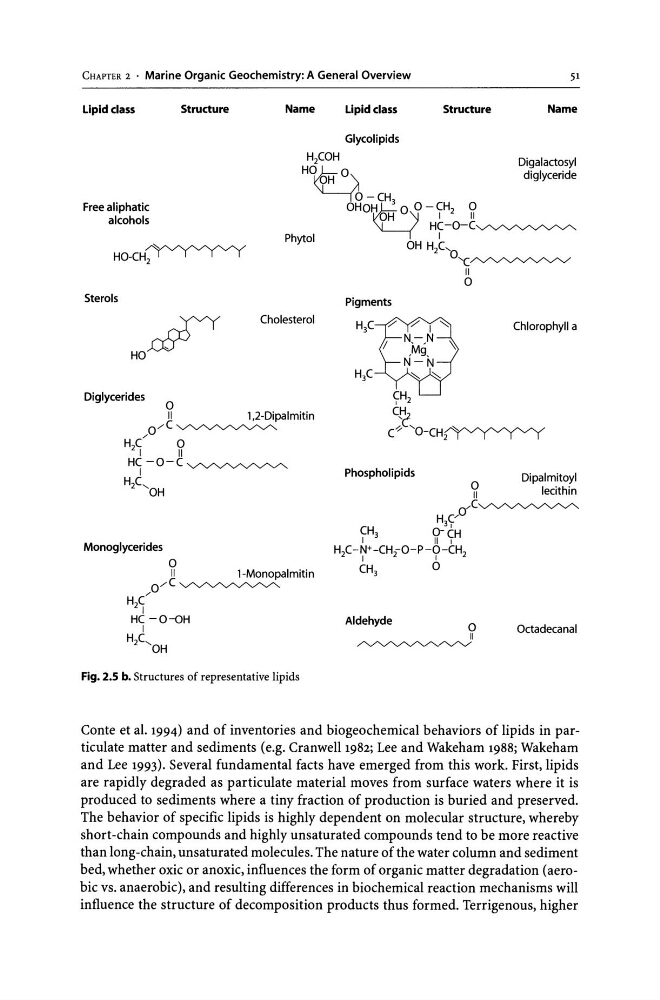
Fig. 2.S b. Structures of representative lipids
OH
I
II
HC-O-C~
I
OH H 2 C ...
0'C~
II
o
Chlorophyll a
Phospholipids
o
Dipalmitoyl
II
lecithin
JY'C~
H3C
CH3
O-CH
I
II I
H2C-~+-CH2-0-P-9-CH2
CH 3
0
Aldehyde
o II
~
Octadecanal
Conte et al. 1994) and of inventories and biogeochemical behaviors of lipids in particulate matter and sediments (e.g. Cranwell1982; Lee and Wakeham 1988; Wakeham
and Lee 1993). Several fundamental facts have emerged from this work. First, lipids
are rapidly degraded as particulate material moves from surface waters where it is
produced to sediments where a tiny fraction of production is buried and preserved.
The behavior of specific lipids is highly dependent on molecular structure, whereby
short -chain compounds and highly unsaturated compounds tend to be more reactive
than long-chain, unsaturated molecules. The nature of the water column and sediment
bed, whether oxic or anoxic, influences the form of organic matter degradation (aerobic vs. anaerobic), and resulting differences in biochemical reaction mechanisms will
influence the structure of decomposition products thus formed. Terrigenous, higher
51
Lipid class
Structure
Name
Lipid class
Structure
Name
Glycolipids
H 2 COH
Digalactosyl
diglyceride
H°vfiH°"
4 o - C H
OHO~3 0 O-CH2 0
Free aliphatic
alcohols
HO-CH~
Sterols
Phytol
HO~
Cholesterol
Diglycerides
0
II
1,2-Dipalmitin
O/C~
H 2 C/
0
I
II
HC-O-C~
I
H2C, OH
Monoglycerides
o
II
l-Monopalmitin
O/C~
H 2 C/
I
HC -O-oH
I
H2C, OH
Fig. 2.S b. Structures of representative lipids
OH
I
II
HC-O-C~
I
OH H 2 C ...
0'C~
II
o
Chlorophyll a
Phospholipids
o
Dipalmitoyl
II
lecithin
JY'C~
H3C
CH3
O-CH
I
II I
H2C-~+-CH2-0-P-9-CH2
CH 3
0
Aldehyde
o II
~
Octadecanal
Conte et al. 1994) and of inventories and biogeochemical behaviors of lipids in particulate matter and sediments (e.g. Cranwell1982; Lee and Wakeham 1988; Wakeham
and Lee 1993). Several fundamental facts have emerged from this work. First, lipids
are rapidly degraded as particulate material moves from surface waters where it is
produced to sediments where a tiny fraction of production is buried and preserved.
The behavior of specific lipids is highly dependent on molecular structure, whereby
short -chain compounds and highly unsaturated compounds tend to be more reactive
than long-chain, unsaturated molecules. The nature of the water column and sediment
bed, whether oxic or anoxic, influences the form of organic matter degradation (aerobic vs. anaerobic), and resulting differences in biochemical reaction mechanisms will
influence the structure of decomposition products thus formed. Terrigenous, higher