

356
L. Pellerito . R. Barbieri . R. Di Stefano . M. Scopelliti . C. Pellerito . T. Fiore . F. Triolo
Table 15.11. Development of Ciona intestinalis embryos after incubation in solutions of organometallic complexes in sea water for a limited time (1 h) and after transferring to normal sea water, after Mansueto et al. (1993)a
Compound Cone.
Development stage
(moldm- J ) Twoeells Gastrula
Neurula
Late neurula
Larva
AG1
10- 4
Larvae,90 Anomalous embryos, Delayed larvae, 90
Delayed larvae, 90
Immobility
85
10- 5
Larvae,90 Delayed, twisted
Delayed larvae, 90
Larvae, 90
Immobility
larvae, 90
AG2
10- 4
Larvae,90 Anomalous embryos, Larvae, 90
Twisted, 60 immobile, Immobility
85 twisted larvae, 5
10 anomalous
larvae, 20
10- 5
Larvae,90 Delayed larvae, 90
Larvae, 90
Larvae, 90
AG3
10- 4
Delayed
Delayed twisted
Larvae, 90
Larvae, 90
Immobility
larvae,90 larvae,90
10- 5
Delayed
Delayed larvae, 90
Larvae, 90
Larvae, 90
larvae,90
AG7
10-4
Anomalous Anomalous embryos, Anomalous larvae,80 Twisted larvae,60
immobility
neurulae, 80 twisted larvae, 10 immobile larvae, 10 anomalous larvae, 20
80 twisted
immobile larva, 10
larvae, 10
10- 5
Delayed
Delayed, twisted
Delayed larvae, 90
Delayed larvae, 90
Immobility
larvae, 90 larvae, 90
a Data refer to 14 experiments and show the percentage of developed or arrested embryos. Control developed >90% of
swimming larvae.AG7 = Bu 1 Sn-D-(-)sorbitol;AG2 = Bu1Sn-D-(+)glucose;AG3 = Bu1Sn-D-(-)fructose;
AG7 = Bu1Sn-D-(+)glyceraldehyde.
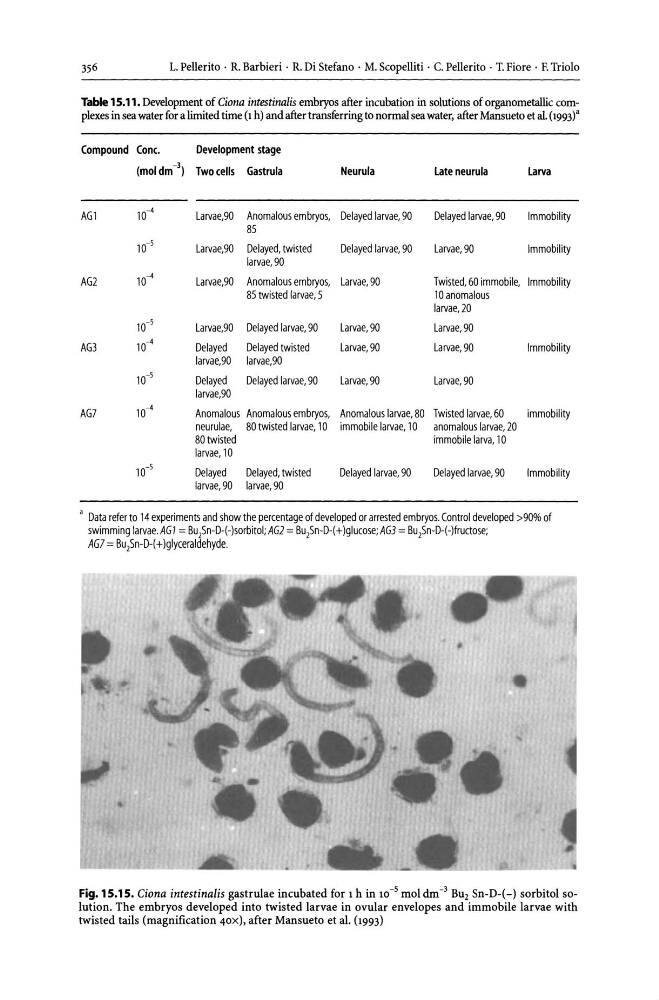
Fig. 15.15. Ciona intestinalis gastrulae incubated for 1 h in 10- 5 moldm- J BU2 Sn-D-(-) sorbitol solution. The embryos developed into twisted larvae in ovular envelopes and immobile larvae with
twisted tails (magnification 40X), after Mansueto et al. (1993)
L. Pellerito . R. Barbieri . R. Di Stefano . M. Scopelliti . C. Pellerito . T. Fiore . F. Triolo
Table 15.11. Development of Ciona intestinalis embryos after incubation in solutions of organometallic complexes in sea water for a limited time (1 h) and after transferring to normal sea water, after Mansueto et al. (1993)a
Compound Cone.
Development stage
(moldm- J ) Twoeells Gastrula
Neurula
Late neurula
Larva
AG1
10- 4
Larvae,90 Anomalous embryos, Delayed larvae, 90
Delayed larvae, 90
Immobility
85
10- 5
Larvae,90 Delayed, twisted
Delayed larvae, 90
Larvae, 90
Immobility
larvae, 90
AG2
10- 4
Larvae,90 Anomalous embryos, Larvae, 90
Twisted, 60 immobile, Immobility
85 twisted larvae, 5
10 anomalous
larvae, 20
10- 5
Larvae,90 Delayed larvae, 90
Larvae, 90
Larvae, 90
AG3
10- 4
Delayed
Delayed twisted
Larvae, 90
Larvae, 90
Immobility
larvae,90 larvae,90
10- 5
Delayed
Delayed larvae, 90
Larvae, 90
Larvae, 90
larvae,90
AG7
10-4
Anomalous Anomalous embryos, Anomalous larvae,80 Twisted larvae,60
immobility
neurulae, 80 twisted larvae, 10 immobile larvae, 10 anomalous larvae, 20
80 twisted
immobile larva, 10
larvae, 10
10- 5
Delayed
Delayed, twisted
Delayed larvae, 90
Delayed larvae, 90
Immobility
larvae, 90 larvae, 90
a Data refer to 14 experiments and show the percentage of developed or arrested embryos. Control developed >90% of
swimming larvae.AG7 = Bu 1 Sn-D-(-)sorbitol;AG2 = Bu1Sn-D-(+)glucose;AG3 = Bu1Sn-D-(-)fructose;
AG7 = Bu1Sn-D-(+)glyceraldehyde.
Fig. 15.15. Ciona intestinalis gastrulae incubated for 1 h in 10- 5 moldm- J BU2 Sn-D-(-) sorbitol solution. The embryos developed into twisted larvae in ovular envelopes and immobile larvae with
twisted tails (magnification 40X), after Mansueto et al. (1993)