

(d)
5 cm
5 cm
100 cm
B
C
D
A
5 cm
5 cm
5 cm
Mexico—Early pliocene
India—Early miocene
Florid—Late oligocene
1. Metaxytherium sp.
2. Crenatosiren olseni
3. Dioplotherium manigaulti
3
6
5
4
7
8
9
2
1
5 cm
6. Bharatisiren kachchhensis
5. Domningia sodhae
7. Nanosiren cf. N. garciae
8. Dioplotherium sp.
9. Corystosiren
varguezi
Lozenge
Flattened
Round
5 cm
4. Kutchisiren cylindrica
60°
78°
30%-40%
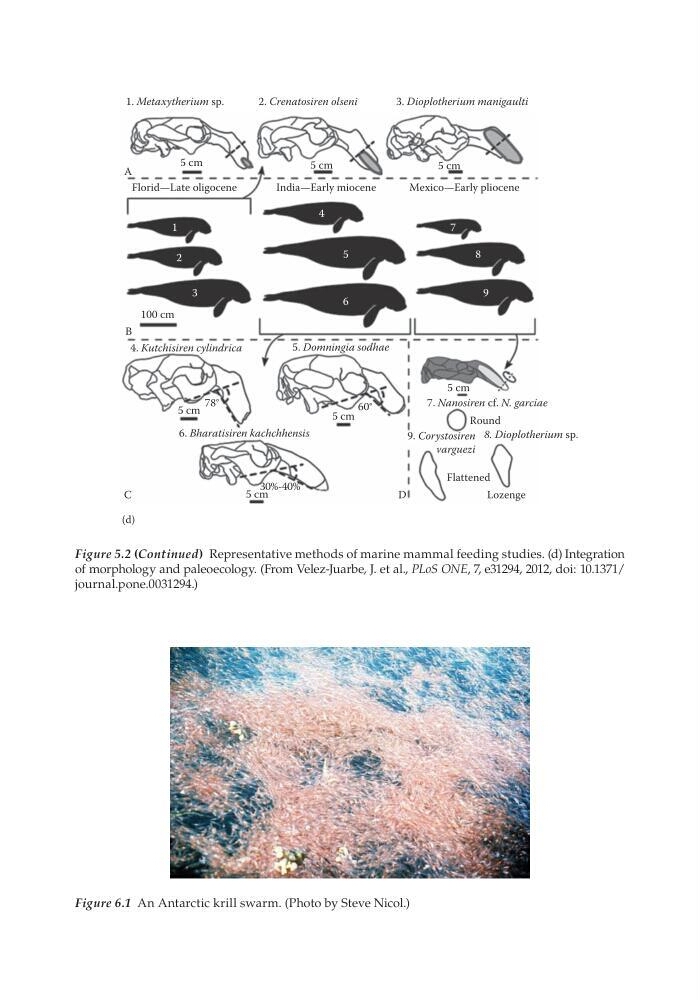
Figure 5.2 (Continued) Representative methods of marine mammal feeding studies. (d) Integration
of morphology and paleoecology. (From Velez-Juarbe, J. et al., PLoS ONE, 7, e31294, 2012, doi: 10.1371/
journal.pone.0031294.)
Figure 6.1 An Antarctic krill swarm. (Photo by Steve Nicol.)
5 cm
5 cm
100 cm
B
C
D
A
5 cm
5 cm
5 cm
Mexico—Early pliocene
India—Early miocene
Florid—Late oligocene
1. Metaxytherium sp.
2. Crenatosiren olseni
3. Dioplotherium manigaulti
3
6
5
4
7
8
9
2
1
5 cm
6. Bharatisiren kachchhensis
5. Domningia sodhae
7. Nanosiren cf. N. garciae
8. Dioplotherium sp.
9. Corystosiren
varguezi
Lozenge
Flattened
Round
5 cm
4. Kutchisiren cylindrica
60°
78°
30%-40%
Figure 5.2 (Continued) Representative methods of marine mammal feeding studies. (d) Integration
of morphology and paleoecology. (From Velez-Juarbe, J. et al., PLoS ONE, 7, e31294, 2012, doi: 10.1371/
journal.pone.0031294.)
Figure 6.1 An Antarctic krill swarm. (Photo by Steve Nicol.)