

C. Gaseous, Solid, and Liquid Fuel
(1) Gaseous Fuel
Photosynthetic microorganisms are capable of producing hydrogen directly
under conditions of light radiation. Production of hydrogen requires a
process of separating and refining hydrogen and CO 2 through pressure
swing adsorption (PSA; see Fig. 9.8).
When the large amounts of seaweed body biomass resulting from hydrogen
production are supplied to the hydrogen production process, methane is
obtained as a gaseous fuel with supplies of hydrogen to the methane fermentation process, while hydrogen and CO 2 has is obtained with supplies
to the gasification process (Jones and Mayfield 2012).
A closed photobioreactor is used to collect hydrogen when generated
directly by photosynthetic microorganisms, while an open photobioreactor
is used when seaweed body biomass is used as a production source for
gaseous fuel.
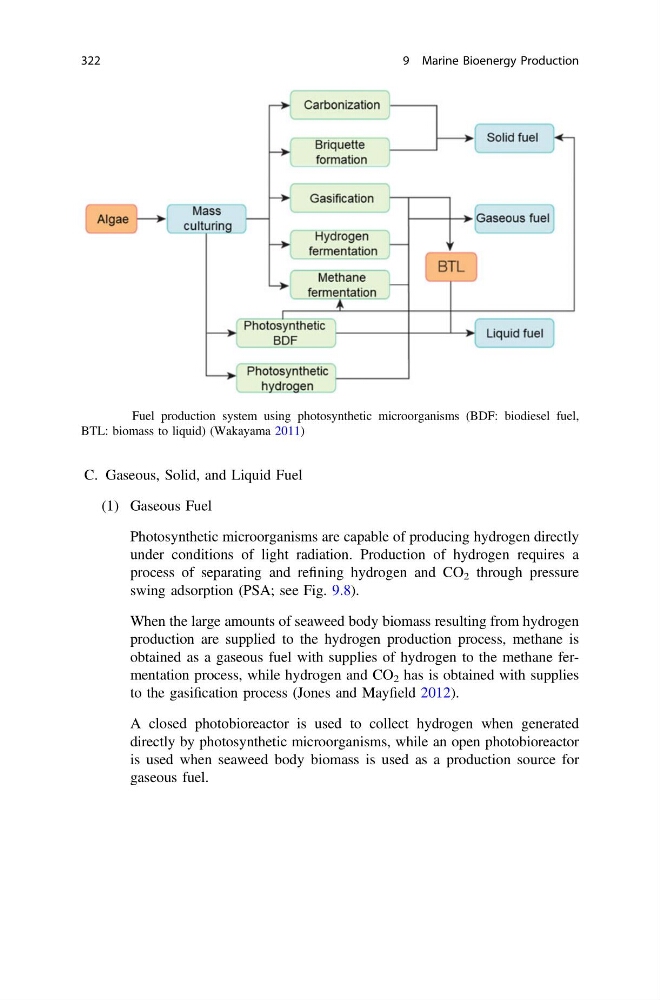
Fig. 9.7 Fuel production system using photosynthetic microorganisms (BDF: biodiesel fuel,
BTL: biomass to liquid) (Wakayama 2011)
322
9 Marine Bioenergy Production
(1) Gaseous Fuel
Photosynthetic microorganisms are capable of producing hydrogen directly
under conditions of light radiation. Production of hydrogen requires a
process of separating and refining hydrogen and CO 2 through pressure
swing adsorption (PSA; see Fig. 9.8).
When the large amounts of seaweed body biomass resulting from hydrogen
production are supplied to the hydrogen production process, methane is
obtained as a gaseous fuel with supplies of hydrogen to the methane fermentation process, while hydrogen and CO 2 has is obtained with supplies
to the gasification process (Jones and Mayfield 2012).
A closed photobioreactor is used to collect hydrogen when generated
directly by photosynthetic microorganisms, while an open photobioreactor
is used when seaweed body biomass is used as a production source for
gaseous fuel.
Fig. 9.7 Fuel production system using photosynthetic microorganisms (BDF: biodiesel fuel,
BTL: biomass to liquid) (Wakayama 2011)
322
9 Marine Bioenergy Production