

The Great Barrier Reef
68
N ENERGY FLOW THROUGH CORAL
REEF ECOSYSTEMS
Organic carbon that accumulates through primary production is eaten, degraded and recycled by other organisms called ‘consumers’. The mass of primary
producers far exceeds that of primary consumers. This
is due to inefficiencies in the transfer of energy and nutrients between trophic levels and to entropic considerations. The ‘higher’ plant and animal life of coral
reefs forms a trophic pyramid, with a successive decrease in the mass of each successively higher trophic
level (Fig. 7.6A) as discussed above, however, microscopic life and intracellular processes on coral reefs
support this pyramid by mediating energy and nutrient flows in unique and noteworthy ways.
Herbivory
As discussed elsewhere (Chapters 7 and 28), herbivory
is an important process on coral reefs. An adequate
level of herbivory is necessary for maintenance of the
balance between reef-building corals and macroalgae,
and hence many of the typical characteristics of a coral
reef. Any visit to an intact coral reef will yield countless
observations of animals moving across the substrate
and cropping the vegetative growth of marine plants.
Key herbivores include gastropod molluscs, chitons,
echinoids, crabs and fish (Fig. 7.6). These organisms
may be active at different times of the day or light level
(e.g. dawn, dusk, night) and tidal heights. Many gastropods (e.g. abalone) and chitons set out from their
hiding places at night to graze on benthic microalgae
while many grazing fish (e.g. Scarids, Siganids and
Acanthurids) are active only by day and will wait until
the tide floods the reef crest before moving in to graze
on these rich and highly productive reef areas. Grazing
activity is often evident from scrape marks made by the
tough beaks of grazing fish (Fig. 7.6B), or by the presence of feeding scars from grazing molluscs (Fig. 7.6C).
Some grazing activity can be very subtle. Recent studies have revealed that porcellanid crabs (see Chapter 23)
are significant grazers on coral reefs, cropping the benthic microalgae from the substrate using their chelae
that are like tiny scissors. In this case, there is little visual evidence of the grazing activities of these organisms despite their importance in terms of the mass of
material removed each day from a coral reef.
Predation
Undisturbed coral reefs are visually exciting for many
reasons, one of which is the presence of predators of all
sizes and shapes (see Chapters 28, 29, 30, 31). Predation
is a dominant driving process, from the tiniest predators such as the chaetognaths and fish larvae that eat
copepods, to sharks that eat large organisms such as
rays, turtles, groupers and smaller shark species. In
coral reef ecosystems, sharks are often referred to as
apex predators (Fig 7.6A). As with herbivores, some
predators are nocturnal and have evolved to hunt in
almost no light at all. Others prey on diurnal grazers
and time their visits to the reef with the tidal cycle.
Particle feeding
Many of the organisms that live on coral reefs feed on
particles such as plankton or small pieces of debris suspended in the water column, or deposited on submerged
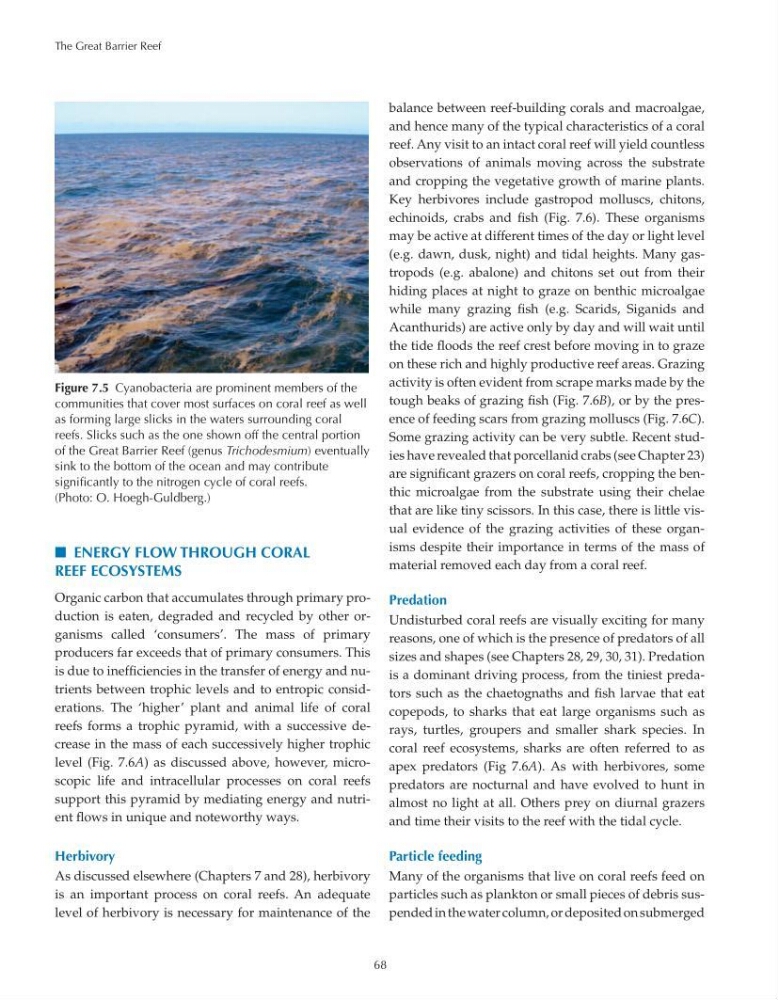
Figure 7.5 Cyanobacteria are prominent members of the
communities that cover most surfaces on coral reef as well
as forming large slicks in the waters surrounding coral
reefs. Slicks such as the one shown off the central portion
of the Great Barrier Reef (genus Trichodesmium) eventually
sink to the bottom of the ocean and may contribute
significantly to the nitrogen cycle of coral reefs.
(Photo: O. Hoegh-Guldberg.)
68
N ENERGY FLOW THROUGH CORAL
REEF ECOSYSTEMS
Organic carbon that accumulates through primary production is eaten, degraded and recycled by other organisms called ‘consumers’. The mass of primary
producers far exceeds that of primary consumers. This
is due to inefficiencies in the transfer of energy and nutrients between trophic levels and to entropic considerations. The ‘higher’ plant and animal life of coral
reefs forms a trophic pyramid, with a successive decrease in the mass of each successively higher trophic
level (Fig. 7.6A) as discussed above, however, microscopic life and intracellular processes on coral reefs
support this pyramid by mediating energy and nutrient flows in unique and noteworthy ways.
Herbivory
As discussed elsewhere (Chapters 7 and 28), herbivory
is an important process on coral reefs. An adequate
level of herbivory is necessary for maintenance of the
balance between reef-building corals and macroalgae,
and hence many of the typical characteristics of a coral
reef. Any visit to an intact coral reef will yield countless
observations of animals moving across the substrate
and cropping the vegetative growth of marine plants.
Key herbivores include gastropod molluscs, chitons,
echinoids, crabs and fish (Fig. 7.6). These organisms
may be active at different times of the day or light level
(e.g. dawn, dusk, night) and tidal heights. Many gastropods (e.g. abalone) and chitons set out from their
hiding places at night to graze on benthic microalgae
while many grazing fish (e.g. Scarids, Siganids and
Acanthurids) are active only by day and will wait until
the tide floods the reef crest before moving in to graze
on these rich and highly productive reef areas. Grazing
activity is often evident from scrape marks made by the
tough beaks of grazing fish (Fig. 7.6B), or by the presence of feeding scars from grazing molluscs (Fig. 7.6C).
Some grazing activity can be very subtle. Recent studies have revealed that porcellanid crabs (see Chapter 23)
are significant grazers on coral reefs, cropping the benthic microalgae from the substrate using their chelae
that are like tiny scissors. In this case, there is little visual evidence of the grazing activities of these organisms despite their importance in terms of the mass of
material removed each day from a coral reef.
Predation
Undisturbed coral reefs are visually exciting for many
reasons, one of which is the presence of predators of all
sizes and shapes (see Chapters 28, 29, 30, 31). Predation
is a dominant driving process, from the tiniest predators such as the chaetognaths and fish larvae that eat
copepods, to sharks that eat large organisms such as
rays, turtles, groupers and smaller shark species. In
coral reef ecosystems, sharks are often referred to as
apex predators (Fig 7.6A). As with herbivores, some
predators are nocturnal and have evolved to hunt in
almost no light at all. Others prey on diurnal grazers
and time their visits to the reef with the tidal cycle.
Particle feeding
Many of the organisms that live on coral reefs feed on
particles such as plankton or small pieces of debris suspended in the water column, or deposited on submerged
Figure 7.5 Cyanobacteria are prominent members of the
communities that cover most surfaces on coral reef as well
as forming large slicks in the waters surrounding coral
reefs. Slicks such as the one shown off the central portion
of the Great Barrier Reef (genus Trichodesmium) eventually
sink to the bottom of the ocean and may contribute
significantly to the nitrogen cycle of coral reefs.
(Photo: O. Hoegh-Guldberg.)