

The Great Barrier Reef
132
storm’. This is the raw material of geologic sedimentary successions as foraminifera and other hard-shelled
plankton are deposited in the sediment. Other structures that influence the nature of marine assemblages
include drifting macroalgae (e.g. Sargassum), rafts of
cells (e.g. Oscillatoria), large jellyfish and flotsam. These
structures influence the distribution, feeding and survival of many plankters, especially larval forms of crustacea and fishes.
PELAGIC FOOD CHAINS
Most production in pelagic systems is generated in
the ‘photic zone’ where phytoplankton photosynthesise and produce the sugars necessary for life. About
70% of all carbon fixed by primary producers on the
GBR originates from phytoplankton production and
two thirds of this originates from organisms <2 μm
(picoplankton) in size. Phytoplankton account for
about 50% of global primary production and, therefore, have a major role in cycling atmospheric CO 2 . In
tropical waters the photic zone may reach a depth of
about 150 m due to the clarity of the water column.
Below this depth, phytoplankton respiration will
exceed the energy derived from the generation of sugars (Fig. 14.5). The pelagic environment can be a ‘bottom-up system’ where the biomass of plankton and in
turn that of higher trophic levels (e.g. fishes, squid
and whales) depends on concentrations of nutrients
(especially nitrates, nitrites and phosphates) and trace
elements (e.g. iron). At other locations and times it can
be a ‘top-down system’ controlled by herbivores and
predators. For example, predators remove zooplankton grazers, relieving grazing pressure on phytoplankton and resulting in an increase in phytoplankton
biomass.
Nutrient concentrations alter according to recycling through producers and consumers (i.e. excretion)
and variation in the input of new nutrients from
upwelling and riverine runoff. Production cycles vary
greatly by latitude. High latitude ecosystems have
great variation in production and biomass of plankton
from seasonal changes in day length, temperature,
storms and upwelling. In contrast, tropical systems
generally have low variation in productivity and
biomass, and pulses in production are event driven
(e.g. floods, cyclones, upwelling intrusions). Tropical
systems are generally considered high turnover, low
biomass systems and the waters are generally oligotrophic (i.e. low in nutrients) and clear. Some apparent
seasonality can occur in tropical waters because of
increased frequency of events such as seasonal rains,
which are typical of monsoonal/wet season locations.
In the ‘dry tropics’ (e.g. the central and southern GBR)
the rains are not predictable, but significant input of
freshwater results during cyclone/storm events and
these have a great impact on physical attributes of the
pelagic environment and on planktonic assemblages
and processes.
Upwelling of cold, nutrient rich, deep ocean water
has a great influence on pelagic systems and it is the
reason that temperate regions off the coast of Peru, the
west coast of North America, and South Africa have
green waters from phytoplankton growth and a
wealth of consumers from copepods and krill to
whales. As a result, these are the sites of some of the
great fisheries of the world (e.g. Peruvian anchovy).
The upwelling of nutrient rich waters into the photic
zone is determined by currents, wind and topography.
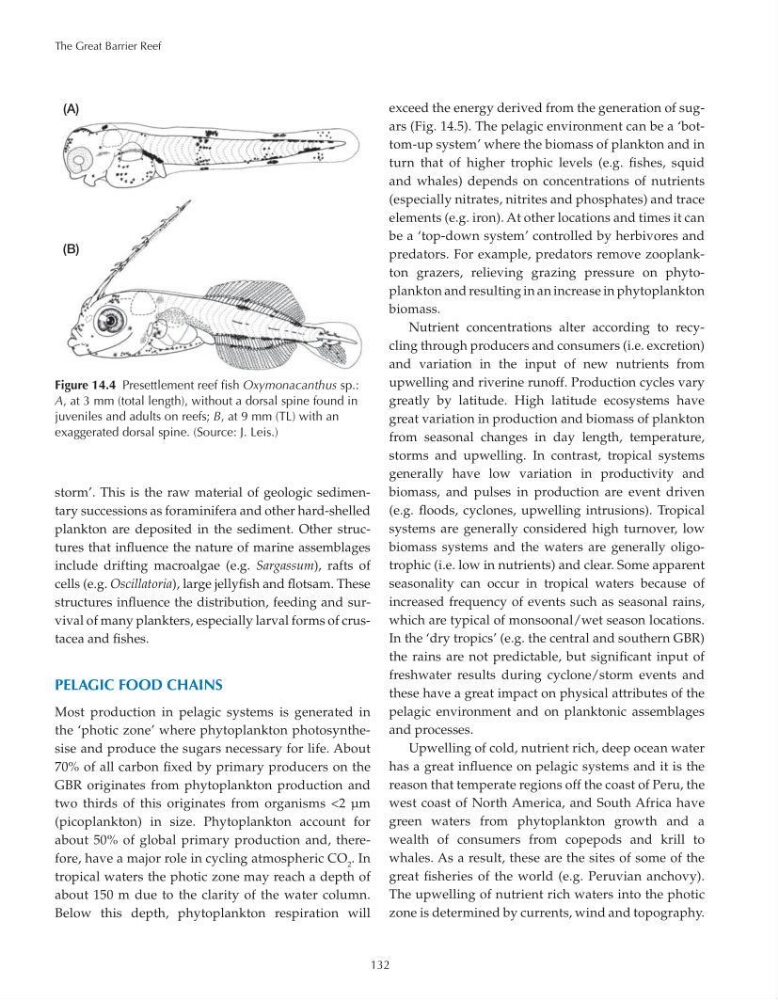
Figure 14.4 Presettlement reef fish Oxymonacanthus sp.:
A, at 3 mm (total length), without a dorsal spine found in
juveniles and adults on reefs; B, at 9 mm (TL) with an
exaggerated dorsal spine. (Source: J. Leis.)
(A)
(B)
132
storm’. This is the raw material of geologic sedimentary successions as foraminifera and other hard-shelled
plankton are deposited in the sediment. Other structures that influence the nature of marine assemblages
include drifting macroalgae (e.g. Sargassum), rafts of
cells (e.g. Oscillatoria), large jellyfish and flotsam. These
structures influence the distribution, feeding and survival of many plankters, especially larval forms of crustacea and fishes.
PELAGIC FOOD CHAINS
Most production in pelagic systems is generated in
the ‘photic zone’ where phytoplankton photosynthesise and produce the sugars necessary for life. About
70% of all carbon fixed by primary producers on the
GBR originates from phytoplankton production and
two thirds of this originates from organisms <2 μm
(picoplankton) in size. Phytoplankton account for
about 50% of global primary production and, therefore, have a major role in cycling atmospheric CO 2 . In
tropical waters the photic zone may reach a depth of
about 150 m due to the clarity of the water column.
Below this depth, phytoplankton respiration will
exceed the energy derived from the generation of sugars (Fig. 14.5). The pelagic environment can be a ‘bottom-up system’ where the biomass of plankton and in
turn that of higher trophic levels (e.g. fishes, squid
and whales) depends on concentrations of nutrients
(especially nitrates, nitrites and phosphates) and trace
elements (e.g. iron). At other locations and times it can
be a ‘top-down system’ controlled by herbivores and
predators. For example, predators remove zooplankton grazers, relieving grazing pressure on phytoplankton and resulting in an increase in phytoplankton
biomass.
Nutrient concentrations alter according to recycling through producers and consumers (i.e. excretion)
and variation in the input of new nutrients from
upwelling and riverine runoff. Production cycles vary
greatly by latitude. High latitude ecosystems have
great variation in production and biomass of plankton
from seasonal changes in day length, temperature,
storms and upwelling. In contrast, tropical systems
generally have low variation in productivity and
biomass, and pulses in production are event driven
(e.g. floods, cyclones, upwelling intrusions). Tropical
systems are generally considered high turnover, low
biomass systems and the waters are generally oligotrophic (i.e. low in nutrients) and clear. Some apparent
seasonality can occur in tropical waters because of
increased frequency of events such as seasonal rains,
which are typical of monsoonal/wet season locations.
In the ‘dry tropics’ (e.g. the central and southern GBR)
the rains are not predictable, but significant input of
freshwater results during cyclone/storm events and
these have a great impact on physical attributes of the
pelagic environment and on planktonic assemblages
and processes.
Upwelling of cold, nutrient rich, deep ocean water
has a great influence on pelagic systems and it is the
reason that temperate regions off the coast of Peru, the
west coast of North America, and South Africa have
green waters from phytoplankton growth and a
wealth of consumers from copepods and krill to
whales. As a result, these are the sites of some of the
great fisheries of the world (e.g. Peruvian anchovy).
The upwelling of nutrient rich waters into the photic
zone is determined by currents, wind and topography.
Figure 14.4 Presettlement reef fish Oxymonacanthus sp.:
A, at 3 mm (total length), without a dorsal spine found in
juveniles and adults on reefs; B, at 9 mm (TL) with an
exaggerated dorsal spine. (Source: J. Leis.)
(A)
(B)