

380
A. Jmal et al.
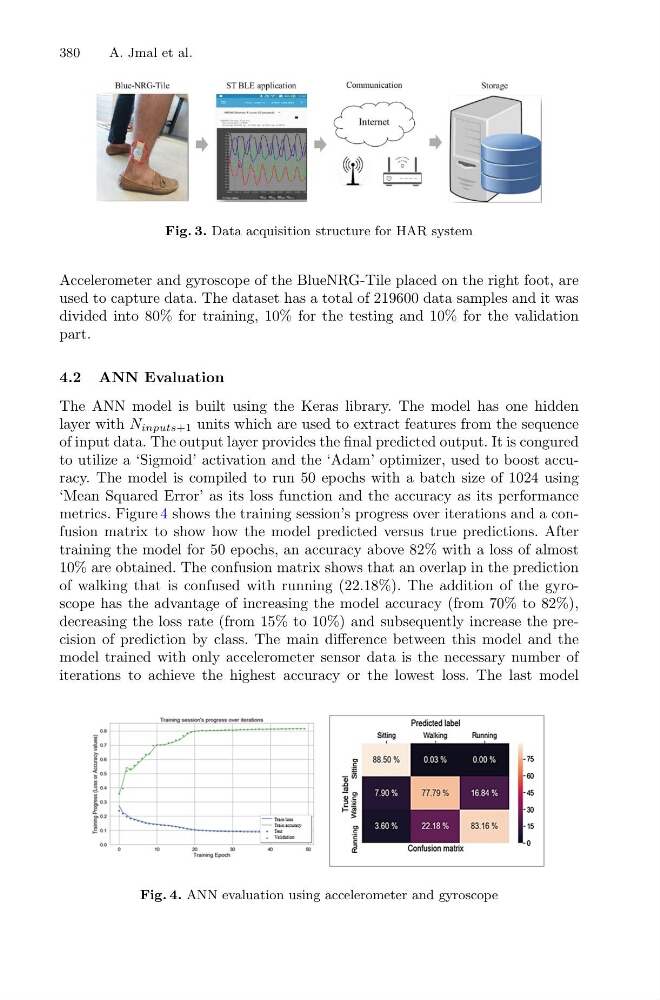
Fig. 3. Data acquisition structure for HAR system
Accelerometer and gyroscope of the BlueNRG-Tile placed on the right foot, are
used to capture data. The dataset has a total of 219600 data samples and it was
divided into 80% for training, 10% for the testing and 10% for the validation
part.
4.2 ANN Evaluation
The ANN model is built using the Keras library. The model has one hidden
layer with N inputs+1 units which are used to extract features from the sequence
of input data. The output layer provides the final predicted output. It is congured
to utilize a ‘Sigmoid’ activation and the ‘Adam’ optimizer, used to boost accuracy. The model is compiled to run 50 epochs with a batch size of 1024 using
‘Mean Squared Error’ as its loss function and the accuracy as its performance
metrics. Figure 4 shows the training session’s progress over iterations and a confusion matrix to show how the model predicted versus true predictions. After
training the model for 50 epochs, an accuracy above 82% with a loss of almost
10% are obtained. The confusion matrix shows that an overlap in the prediction
of walking that is confused with running (22.18%). The addition of the gyroscope has the advantage of increasing the model accuracy (from 70% to 82%),
decreasing the loss rate (from 15% to 10%) and subsequently increase the precision of prediction by class. The main difference between this model and the
model trained with only accelerometer sensor data is the necessary number of
iterations to achieve the highest accuracy or the lowest loss. The last model
Fig. 4. ANN evaluation using accelerometer and gyroscope
A. Jmal et al.
Fig. 3. Data acquisition structure for HAR system
Accelerometer and gyroscope of the BlueNRG-Tile placed on the right foot, are
used to capture data. The dataset has a total of 219600 data samples and it was
divided into 80% for training, 10% for the testing and 10% for the validation
part.
4.2 ANN Evaluation
The ANN model is built using the Keras library. The model has one hidden
layer with N inputs+1 units which are used to extract features from the sequence
of input data. The output layer provides the final predicted output. It is congured
to utilize a ‘Sigmoid’ activation and the ‘Adam’ optimizer, used to boost accuracy. The model is compiled to run 50 epochs with a batch size of 1024 using
‘Mean Squared Error’ as its loss function and the accuracy as its performance
metrics. Figure 4 shows the training session’s progress over iterations and a confusion matrix to show how the model predicted versus true predictions. After
training the model for 50 epochs, an accuracy above 82% with a loss of almost
10% are obtained. The confusion matrix shows that an overlap in the prediction
of walking that is confused with running (22.18%). The addition of the gyroscope has the advantage of increasing the model accuracy (from 70% to 82%),
decreasing the loss rate (from 15% to 10%) and subsequently increase the precision of prediction by class. The main difference between this model and the
model trained with only accelerometer sensor data is the necessary number of
iterations to achieve the highest accuracy or the lowest loss. The last model
Fig. 4. ANN evaluation using accelerometer and gyroscope