

This is also mirrored in the high number of invasive species. Overall, the regional
sensitivity of the habitats is lower than in the two other biogeographical regions
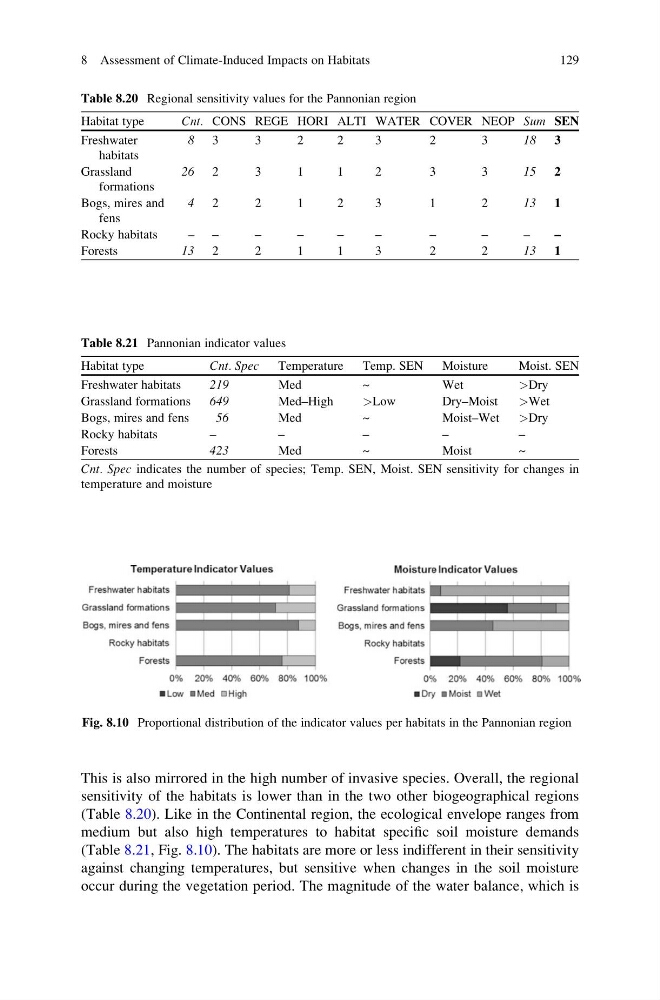
(Table 8.20). Like in the Continental region, the ecological envelope ranges from
medium but also high temperatures to habitat specific soil moisture demands
(Table 8.21, Fig. 8.10). The habitats are more or less indifferent in their sensitivity
against changing temperatures, but sensitive when changes in the soil moisture
occur during the vegetation period. The magnitude of the water balance, which is
Table 8.20 Regional sensitivity values for the Pannonian region
Habitat type
Cnt. CONS REGE HORI ALTI WATER COVER NEOP Sum SEN
Freshwater
habitats
8 3
3
2
2
3
2
3
18 3
Grassland
formations
26 2
3
1
1
2
3
3
15 2
Bogs, mires and
fens
4 2
2
1
2
3
1
2
13 1
Rocky habitats
– –
–
–
–
–
–
–
–
–
Forests
13 2
2
1
1
3
2
2
13 1
Table 8.21 Pannonian indicator values
Habitat type
Cnt. Spec
Temperature
Temp. SEN
Moisture
Moist. SEN
Freshwater habitats
219
Med
~
Wet
>Dry
Grassland formations
649
Med–High
>Low
Dry–Moist
>Wet
Bogs, mires and fens
56
Med
~
Moist–Wet
>Dry
Rocky habitats
–
–
–
–
–
Forests
423
Med
~
Moist
~
Cnt. Spec indicates the number of species; Temp. SEN, Moist. SEN sensitivity for changes in
temperature and moisture
Fig. 8.10 Proportional distribution of the indicator values per habitats in the Pannonian region
8 Assessment of Climate-Induced Impacts on Habitats
129
sensitivity of the habitats is lower than in the two other biogeographical regions
(Table 8.20). Like in the Continental region, the ecological envelope ranges from
medium but also high temperatures to habitat specific soil moisture demands
(Table 8.21, Fig. 8.10). The habitats are more or less indifferent in their sensitivity
against changing temperatures, but sensitive when changes in the soil moisture
occur during the vegetation period. The magnitude of the water balance, which is
Table 8.20 Regional sensitivity values for the Pannonian region
Habitat type
Cnt. CONS REGE HORI ALTI WATER COVER NEOP Sum SEN
Freshwater
habitats
8 3
3
2
2
3
2
3
18 3
Grassland
formations
26 2
3
1
1
2
3
3
15 2
Bogs, mires and
fens
4 2
2
1
2
3
1
2
13 1
Rocky habitats
– –
–
–
–
–
–
–
–
–
Forests
13 2
2
1
1
3
2
2
13 1
Table 8.21 Pannonian indicator values
Habitat type
Cnt. Spec
Temperature
Temp. SEN
Moisture
Moist. SEN
Freshwater habitats
219
Med
~
Wet
>Dry
Grassland formations
649
Med–High
>Low
Dry–Moist
>Wet
Bogs, mires and fens
56
Med
~
Moist–Wet
>Dry
Rocky habitats
–
–
–
–
–
Forests
423
Med
~
Moist
~
Cnt. Spec indicates the number of species; Temp. SEN, Moist. SEN sensitivity for changes in
temperature and moisture
Fig. 8.10 Proportional distribution of the indicator values per habitats in the Pannonian region
8 Assessment of Climate-Induced Impacts on Habitats
129