

10.6.3.2 Constraints on Applying Soil Conservation Methods
Although soil conservation practices have several environmental benefits which can
reduce soil erosion levels and improve soil fertility, under the simulation, the area
of land adopting these practices was low. The main reasons for this were the lower
monetary benefits and higher production costs experienced when using soil conservation practices. As described in the methods section (Table 10.5), the average
yields when using soil conservation practices were low when compared to conventional practices, while the average demand for labor was higher (experts’ opinions).
To explore how soil conservation practices could be applied to make crop yields
higher or labor demand lower, a sensitivity analysis exercise was conducted on crop
yields and labor requirements. The five scenarios increased maize yields due to the
use of soil conservation practices by 10 %, 20 %, 30 %, 40 % and 50 % of the
baseline, while the other five scenarios reduced the demand for labor by 10 %,
30 %, 50 %, 70 % and 90 % of the baseline. The simulation results are shown in
Tables 10.6 and 10.7.
Table 10.6 shows that the area of land using soil conservation practices, as well
as the adoption rate, increased considerably when the maize yields using soil
conservation practices rose to over 120 % of crop yields in the baseline, especially
for maize grown with leucaena hedges. The adoption rate for this practice reached
99 % and the conservation area increased to 257.28 ha when the yield reached
130 % of the baseline. When the maize yield using leucaena hedges equaled 110 %
of the baseline, the conservation area was only 79.24 ha and the cumulative
adoption rate was 91 %, while in the baseline the adoption rate was only 53 %
and the growing area 2.31 ha. This indicates that the maize yield was very sensitive
between levels of 110 % and 130 % of the baseline.
Table 10.7 shows the changes in adoption rates and the area using soil conservation practices when labor declined to 10 % of the baseline. This indicates that
both the adoption rate and the area under soil conservation practices gradually
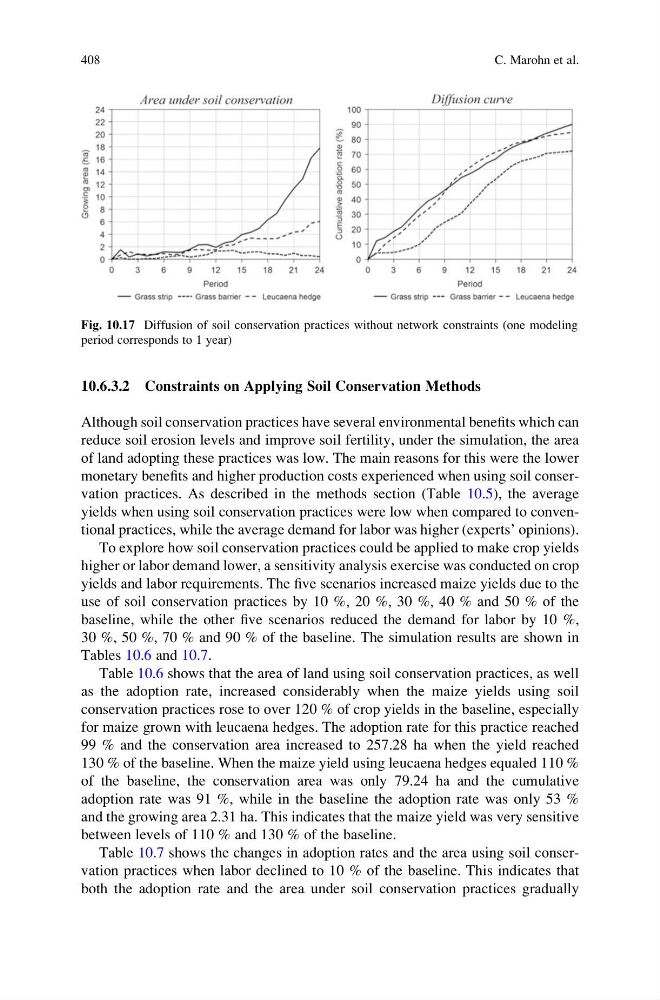
Fig. 10.17 Diffusion of soil conservation practices without network constraints (one modeling
period corresponds to 1 year)
408
C. Marohn et al.
Although soil conservation practices have several environmental benefits which can
reduce soil erosion levels and improve soil fertility, under the simulation, the area
of land adopting these practices was low. The main reasons for this were the lower
monetary benefits and higher production costs experienced when using soil conservation practices. As described in the methods section (Table 10.5), the average
yields when using soil conservation practices were low when compared to conventional practices, while the average demand for labor was higher (experts’ opinions).
To explore how soil conservation practices could be applied to make crop yields
higher or labor demand lower, a sensitivity analysis exercise was conducted on crop
yields and labor requirements. The five scenarios increased maize yields due to the
use of soil conservation practices by 10 %, 20 %, 30 %, 40 % and 50 % of the
baseline, while the other five scenarios reduced the demand for labor by 10 %,
30 %, 50 %, 70 % and 90 % of the baseline. The simulation results are shown in
Tables 10.6 and 10.7.
Table 10.6 shows that the area of land using soil conservation practices, as well
as the adoption rate, increased considerably when the maize yields using soil
conservation practices rose to over 120 % of crop yields in the baseline, especially
for maize grown with leucaena hedges. The adoption rate for this practice reached
99 % and the conservation area increased to 257.28 ha when the yield reached
130 % of the baseline. When the maize yield using leucaena hedges equaled 110 %
of the baseline, the conservation area was only 79.24 ha and the cumulative
adoption rate was 91 %, while in the baseline the adoption rate was only 53 %
and the growing area 2.31 ha. This indicates that the maize yield was very sensitive
between levels of 110 % and 130 % of the baseline.
Table 10.7 shows the changes in adoption rates and the area using soil conservation practices when labor declined to 10 % of the baseline. This indicates that
both the adoption rate and the area under soil conservation practices gradually
Fig. 10.17 Diffusion of soil conservation practices without network constraints (one modeling
period corresponds to 1 year)
408
C. Marohn et al.